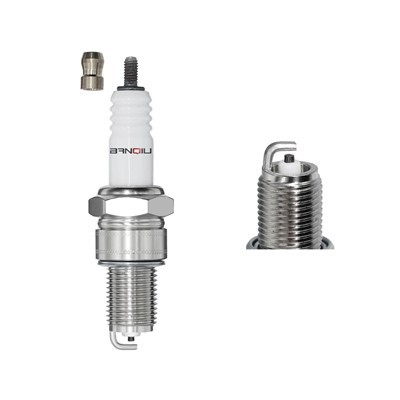
As a seasoned supplier of platinum spark plugs with years of hands - on experience in the automotive parts industry, I'm well - equipped to share insights into the installation process of these high - performance components. Platinum spark plugs are revered for their exceptional durability and superior performance, but their installation demands careful attention to detail to ensure optimal functionality.
Why Choose Platinum Spark Plugs?
Before delving into the installation instructions, it's worth highlighting the benefits of platinum spark plugs. Platinum is a precious metal known for its high melting point and excellent corrosion resistance. In the context of spark plugs, these properties translate to a longer lifespan compared to traditional copper spark plugs. A platinum - tipped electrode can endure more spark events over time, maintaining a consistent spark gap and combustion efficiency. This not only leads to better fuel economy but also more reliable engine starts and reduced emissions.
Our catalogue features a range of platinum spark plugs, such as the Platinum Spark Plug BKR6EP - 8 2215, Platinum Spark Plug PFR5P - 11 4341, and Platinum Spark Plug PFR7B - 11 5667. Each model is designed to meet the specific requirements of different engines, ensuring a perfect fit and top - notch performance.
Pre - installation Preparations
Gather the Necessary Tools
The first step in installing platinum spark plugs is to assemble the right tools. You'll need a spark plug socket, a ratchet wrench, a gap gauge, and a torque wrench. The spark plug socket is specifically designed to grip the spark plug firmly without causing damage. The ratchet wrench is used to remove and install the plugs, while the gap gauge is essential for checking and adjusting the spark plug gap. The torque wrench is crucial for tightening the spark plugs to the correct specification, preventing over - or under - tightening.
Check the Spark Plug Gap
The spark plug gap is the distance between the center electrode and the ground electrode. It plays a vital role in the ignition process, affecting the spark intensity and the combustion efficiency. Before installation, use the gap gauge to check the gap of your platinum spark plugs. Refer to the vehicle's owner's manual or the spark plug manufacturer's specifications for the correct gap measurement. If the gap is too wide or too narrow, carefully adjust it using a gap adjustment tool. Avoid excessive force when adjusting the gap, as this can damage the platinum tip.
Prepare the Work Area
Ensure that the engine is completely cooled down before starting the installation. A hot engine can cause burns and may also lead to inaccurate torque readings. Clean the area around the spark plugs to prevent dirt and debris from falling into the combustion chamber during the removal and installation process. You can use compressed air or a clean cloth to remove any loose particles.


Installation Process
Remove the Old Spark Plugs
Locate the spark plug wires on your engine. Each wire corresponds to a specific spark plug. Gently grasp the wire at the base where it connects to the spark plug and pull it straight out. Avoid pulling on the wire itself, as this can damage the insulation. Once the wire is removed, attach the spark plug socket to the ratchet wrench and carefully place it over the old spark plug. Turn the ratchet counter - clockwise to loosen and remove the spark plug. Repeat this process for all the old spark plugs.
Inspect the Old Spark Plugs
After removing the old spark plugs, take a moment to inspect them. Look for signs of wear, such as a worn - out electrode, carbon deposits, or oil fouling. These issues can indicate underlying problems with the engine, such as improper combustion, a faulty fuel injector, or worn piston rings. If you notice any significant problems, it's advisable to consult a professional mechanic for further diagnosis and repair.
Install the New Platinum Spark Plugs
Carefully insert the new platinum spark plug into the spark plug socket. Make sure the plug is properly seated in the socket. Place the socket over the spark plug hole and start turning the ratchet clockwise by hand to thread the plug into the engine. Once the plug is hand - tightened, use the torque wrench to tighten it to the recommended torque specification. Over - tightening can cause the spark plug to break or damage the cylinder head, while under - tightening can lead to poor electrical contact and misfires.
Reconnect the Spark Plug Wires
After all the new spark plugs are installed, reconnect the spark plug wires. Make sure each wire is connected to the correct spark plug. You can refer to the engine's ignition system diagram if you're unsure. Push the wire firmly onto the spark plug until you hear a click, indicating a secure connection.
Post - installation Checks
Start the Engine
Once the installation is complete, start the engine and listen for any unusual noises or vibrations. A smooth - running engine indicates that the spark plugs are installed correctly. If you notice any rough idling, misfires, or other performance issues, double - check the spark plug connections and gaps.
Check for Leaks
Inspect the area around the spark plugs for any signs of leaks. A leak can occur if the spark plug is not tightened properly or if there is a problem with the spark plug gasket. If you notice any leaks, stop the engine immediately and address the issue.
Conclusion
Installing platinum spark plugs is a relatively straightforward process, but it requires attention to detail and the use of the right tools. By following the steps outlined above, you can ensure that your platinum spark plugs are installed correctly, providing your engine with reliable ignition and optimal performance.
If you're interested in purchasing high - quality platinum spark plugs for your vehicle, we'd love to engage in a procurement discussion. Our team of experts is ready to assist you in choosing the right spark plugs for your specific engine requirements. Whether you're a professional mechanic or a DIY enthusiast, we have the products and knowledge to meet your needs.
References
- Smith, J. (2018). The Complete Guide to Automotive Spark Plug Technology. AutoTech Publishing.
- Johnson, A. (2020). Spark Plug Installation Best Practices. CarParts Journal, 15(3), 22 - 28.