

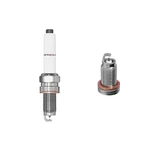
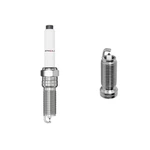
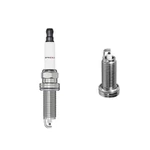
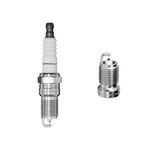
Nickel Spark Plug
Huangshan BANQIU Auto Parts Manufacturing Co., Ltd.
Huangshan BANQIU Auto Parts Manufacturing Co., Ltd. was established in 2008 with a registered capital of 5 million.We are a spark plug manufacturing enterprise integrating R&D,production and sales.With excellent product quality and excellent service,our company has developed rapidly in recent years, and our production scale has been expanding continuously. At present,our firm can provide more than 2000 models of spark plugs in 12 categories,such as motorcycle spark plugs,automobile spark plugs,natural gas spark plugs, industrial spark plugs,platinum spark plugs,iridium spark plugs,multi-side electrode spark plugs,V-groove center electrode spark plugs, surface jumping spark plugs and protruding spark plugs.
 Professional Global Team
With decades of experience and technical expertise, BANQIU Spark Plug brings together skilled engineers, quality inspectors, and supply chain professionals.
Our team continuously innovates in ignition technology and ensures every project is managed with precision, efficiency, and accountability - making us a reliable partner for global OEM and ODM clients.
 7x24h Production & Delivery Network
Backed by advanced automated production lines and a strong logistics network, BANQIU Spark Plug operates around the clock to meet worldwide demand.
With distribution centers in multiple regions and partnerships across more than 60 countries, we guarantee fast and stable delivery - supporting your business growth anytime, anywhere.

29000㎡
Factory Area
68M
Annual Output
100+
Export Countries
500+
Overseas Distributors
OEM / ODM / OBM Customization Service
BANQIU offers customized spark plug production according to clients' technical requirements, performance standards, or sample references - including electrode structure, resistance value, heat range, branding, packaging design, and inspection reports. All products are manufactured under ISO/IATF-certified systems, ensuring stable performance and consistent quality. Our engineering team focuses on performance optimization and structural innovation, utilizing advanced double-iridium, double-platinum, and hybrid iridium-platinum technologies for higher ignition efficiency, improved fuel economy, and extended lifespan.
| NICKEL |
|
30,000 KM | 1453°C |

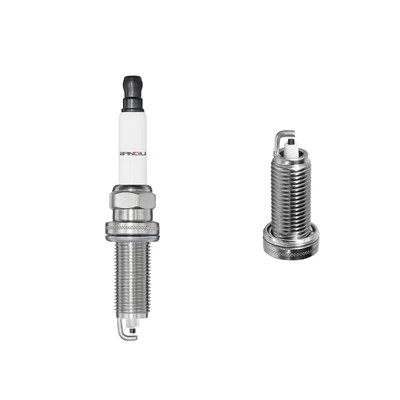
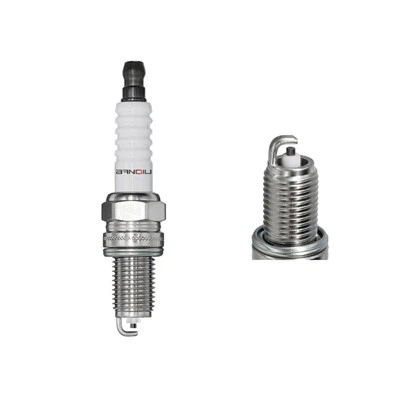

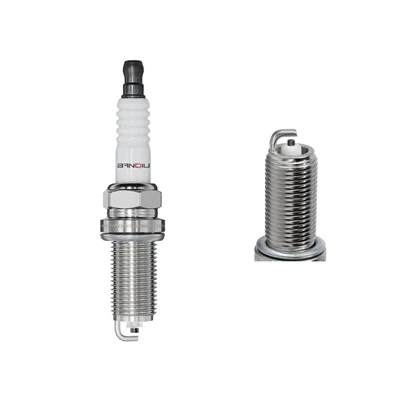
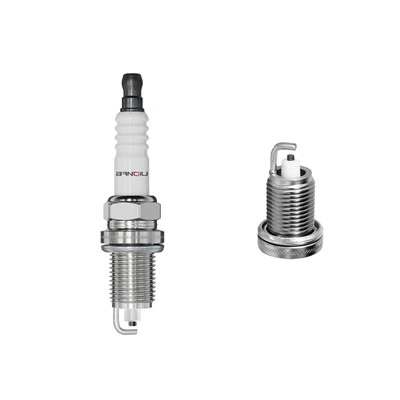
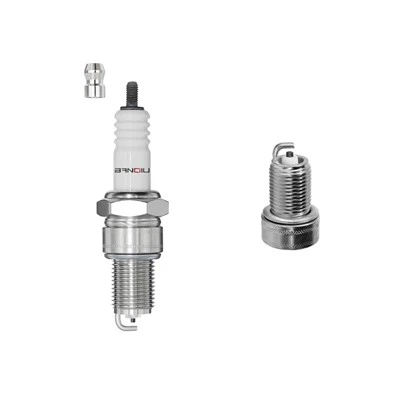


What is Nickel Spark Plug?
Nickel plugs, also known as copper Automotive Nickel Spark Plug, are one of the most affordable types of spark plugs on the market. These Automotive Nickel Spark Plug offer excellent performance for most vehicles and are a popular choice among car owners. Automotive Nickel Spark Plug feature a copper core and a nickel alloy outer layer. This design provides significant resistance to overheating, wear, and corrosion. Additionally, nickel plugs are known for their reliability and longevity, making them a popular choice for high mileage vehicles.
Benefits of Nickel Spark Plug
Ease of Maintenance
While It require periodic inspection and replacement, they are relatively straightforward to maintain. Regular maintenance ensures that the Nickel Spark Plug continue to function optimally, contributing to consistent engine performance.
Wide Compatibility
It is available in a variety of types and designs to suit different engine configurations, fuel types, and performance requirements. This versatility allows them to be used across a range of vehicles and applications.
Cost-Effective
It offer a cost-effective means of igniting the air-fuel mixture and generating power within internal combustion engines. Regular replacement of worn-out Nickel Spark Plug can prevent more extensive engine issues and maintain engine efficiency.
Engine Protection
Efficient ignition facilitated by Nickel Spark Plug helps prevent engine knocking and detonation, which can lead to engine damage over time. Proper combustion reduces stress on engine components, contributing to longer engine life.
Types of Nickel Spark Plug
Copper Spark Plug
The copper spark plug is the most commonly used spark plug as it is the cheapest among the three. In copper spark plugs the outer material used is nickel-alloy which wears down easily because of the high pressure and the high heat generated in the cylinder of the engine. This wear results in the fouling of the spark plugs because of this they have a short life span.
Platinum Spark plugs
Platinum has a higher melting point than the nickel-alloy. Also, it is harder which is the reason it maintains its sharp edge for a longer time than the copper spark plug. Another advantage is that it easily handles high heat which increases the overall life span of the spark plug. Platinum spark plugs comes in two varieties – single platinum spark plug and double platinum spark plug.
Iridium spark plugs
Iridium has higher melting point and it is stronger than platinum which provides it superior wear characteristics. Also, iridium spark plugs feature a thin wire center electrode which conducts electrical energy better and increases the firing efficiency. Because of all these qualities, the life span of iridium spark plugs are more than the platinum spark plugs.
Single Platinum Spark Plugs
Single-platinum-spark-plug-e-car-garagesA single platinum spark plug is similar to a copper/nickel spark plug, except that its center electrode has a platinum disc welded to the tip instead of an only nickel alloy. The platinum metal lasts longer than nickel alloy before being worn away.
Double Platinum Spark Plugs
Double-platinum-spark-plug-e-car-car serviceDouble platinum spark plugs have a platinum coating on both the center and ground electrodes. This is more efficient and longer-lasting which makes these plugs a great choice for a wasted spark ignition system, which exerts more wear on both electrodes than other ignition systems.
What Are Nickel Spark Plug Made Of?
Insulator Material
The outer shell of a spark plug is typically made of ceramic, a heat-resistant material.
This ceramic insulator serves a crucial role in isolating the high-voltage electricity in the central electrode from the metal body of the plug. Without this insulation, the electrical current would escape prematurely.
Central Electrode Material
The central electrode, responsible for generating the spark, can be made from different materials. Copper is common for standard plugs due to its good conductivity.
However, for enhanced performance and longevity, you’ll find Automotive Nickel Spark Plug with central electrodes made of precious metals like platinum or iridium. These materials not only conduct electricity efficiently but also withstand wear and tear exceptionally well.
Ground Electrode Material
At the tip of the spark plug lies the ground electrode, usually made from a nickel alloy. This material choice offers durability and corrosion resistance. Also, it ensures that the performance of the Automotive Nickel Spark Plug remains consistent over time.
The selection of these materials is crucial because Automotive Nickel Spark Plug operate in an extremely demanding environment within your engine. They must withstand intense heat and pressure while maintaining electrical integrity.

The creation of Nickel Spark Plug is a precise and meticulous process, born out of engineering ingenuity. Let’s delve into the fascinating journey of how these essential engine components are manufactured:
Insulator Formation
The journey begins with the creation of the insulator, usually made from a specialized ceramic material. This material is meticulously cast and shaped into the spark plug’s outer shell.
Central Electrode Crafting
Crafting the central electrode is the next step. Depending on the desired spark plug type, materials like copper, platinum, or iridium are used.
The chosen material is formed into a precisely shaped electrode designed to efficiently conduct electrical current and withstand the wear and tear of countless sparks.
Assembling Components
With the insulator and central electrode ready, the spark plug starts to take shape. These components are assembled with precision. The central electrode is carefully positioned within the insulator, ensuring the correct gap for spark generation.
Quality Control and Testing
Before Nickel Spark Plug is ready for your engine, it undergoes rigorous quality control and testing. Engineers and technicians scrutinize every detail and ensure the spark plug meets the highest industry standards.
Packaging and Distribution
Once Nickel Spark Plug passes all tests and quality checks, it’s packaged and prepared for distribution to automotive manufacturers, repair shops, and retailers worldwide. These spark plugs are now ready to play their essential role in your vehicle’s engine.
These components must operate seamlessly in the demanding environment of an internal combustion engine, reliably generating sparks to keep your vehicle running smoothly.
What Are The Parts Of Nickel Spark Plug?
To truly appreciate the inner workings of Nickel Spark Plug, it is essential to explore the various combined components to create this seemingly simple but highly sophisticated engine component.
Generally, Nickel Spark Plug consists of several key parts, each with its distinct function.
Insulator
The outer shell of Nickel Spark Plug is typically crafted from a special type of ceramic material, known for its exceptional heat resistance.
This insulator serves as a crucial barrier, keeping the high-voltage electricity generated by the central electrode safely isolated from the metal body of the spark plug. Without this insulation, electrical current would prematurely escape, rendering the spark plug ineffective.
Central Electrode
At the heart of the spark plug lies the central electrode. This component plays a pivotal role in generating the spark that ignites the air-fuel mixture within the engine cylinder. The choice of material for the central electrode varies depending on the type of spark plug.
Platinum and iridium, on the other hand, are precious metals chosen for their superior conductivity and remarkable resistance to wear and corrosion. These materials ensure consistent and reliable spark generation over the spark plug’s lifespan.
Ground Electrode
Situated at the tip of the spark plug is the ground electrode. It is typically made from a nickel alloy, which offers a blend of durability and resistance to corrosion.
The ground electrode’s role is to complete the electrical circuit by providing a path for the spark to travel back to the central electrode. This interaction generates the spark necessary for ignition.
Terminal
The terminal is the small threaded metal portion of the spark plug as it connects to the ignition system. This connection point allows the high-voltage electricity to be delivered to the central electrode and sets the stage for the spark.
The synergy of the insulator, central electrode, ground electrode, and terminal enables Nickel Spark Plug to perform their critical function. They ignite the air-fuel mixture in a controlled and efficient manner, thereby powering your vehicle’s engine.
If the engine can be compared to the soul's core of a car, then the spark plug is undoubtedly the source of the spark within that soul. A strong, stable, and easily ignitable spark for the fuel mixture is crucial for the efficient operation of the engine. So, how often do spark plugs need to be replaced in a car?
Nickel Spark Plugs
The nickel spark plugs have a central electrode made of nickel alloy, and the side electrode is made of nickel-copper. This type of spark plug is economical and widely used in various standard vehicles. According to design standards, the lifespan of the nickel spark plugs is typically around 20,000 kilometers.
Platinum Spark Plugs
The central electrode of the Platinum Spark Plugs is made of platinum, while the side electrode remains nickel-copper. The diameter of the central electrode is generally between 0.6 mm and 1.0 mm. This type of spark plug has a lifespan far exceeding that of nickel alloy, making it especially suitable for high-performance engines, ensuring long-lasting and stable operation.


Iridium Spark Plugs
The Iridium Spark Plugs feature a central electrode made of iridium, with the side electrode also made of nickel-copper. Since the iridium central electrode is thinner, it possesses stronger corrosion resistance, though its anti-fouling capability is slightly weaker. Therefore, its actual lifespan is also approximately 40,000 kilometers.
The replacement cycle of spark plugs is not fixed and can be influenced by factors such as engine operating environment, temperature, fuel used, and the concentration of the combustible mixture. Typically, the model and specifications of spark plugs are determined by the vehicle manufacturer during product testing.
How to Check and Change Nickel Spark Plug
While Nickel Spark Plug are very durable and able to withstand extreme temperatures and conditions over many thousands of miles, they do need checking regularly to make sure they keep working efficiently. Everyday wear and tear coupled with a build-up of deposits can cause problems for Nickel Spark Plug, including preignition (when a spark plug fires too soon) and premature wear, so it’s good to know how to check their condition and performance.
1.Find the Nickel Spark Plug on your car’s engine. Normally, they’re directly under the engine casing, at the point where the wires lead into the main cylinder head and usually have 4-8 wires. They can be a little tricky to get at depending on your car’s layout, so be sure to refer to the owner’s manual when necessary.
2.Disconnect the wires and ignition coil for each spark plug, before using a wrench with a spark plug adapter to remove each spark plug from the combustion chamber. You may need an extender on your wrench to reach into each of the cylinder cavities. Top tip – number the leads before you remove them so you can put them back in the right order.
3.Check the condition of the Nickel Spark Plug. Look for any signs of deposits, damage or wear which could indicate a bad spark plug. Pay particular attention to the electrode on the very tip of the plug – it shouldn’t be worn down or rusty, and should be clean and free from build-up, especially white limey build-up.
4.If you’re adding new Nickel Spark Plug, you can skip the step above and go right ahead by installing the new plugs.
5.Make sure your current and new Automotive Nickel Spark Plug are gapped correctly; you should use a purpose-built spark plug gapping tool to do this. Your car’s manual can tell you the recommended spark plug gap for your engine.
As a professional manufacturer with more than 17 years of experience, BANQIU SPARK PLUG offers a complete range of high-quality spark plugs developed through advanced engineering, precision manufacturing, and strict quality control. With OEM, ODM, and OBM capabilities, we provide customized solutions for global automotive brands, distributors, and performance enthusiasts. Our factory integrates automated assembly, oil-immersed spark testing, side electrode bending, sintering furnaces, and thermal riveting lines — ensuring every spark plug meets or exceeds international standards.


Our certificates


