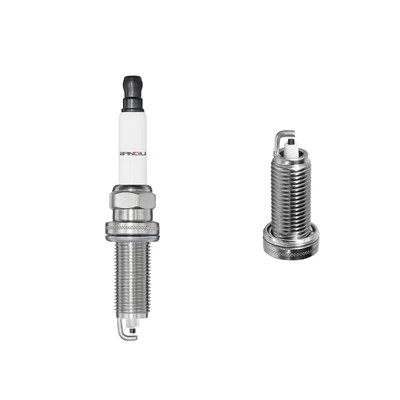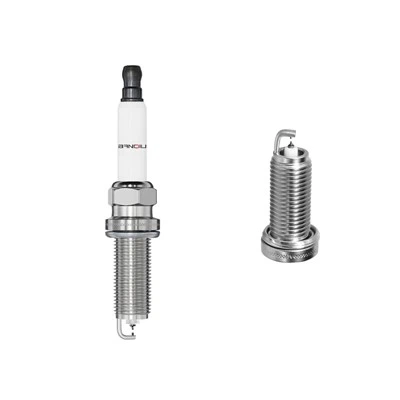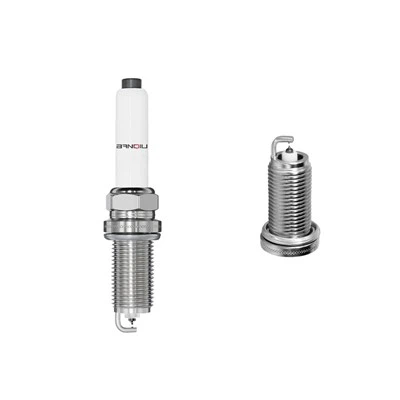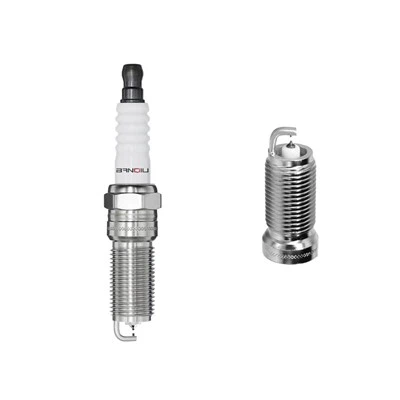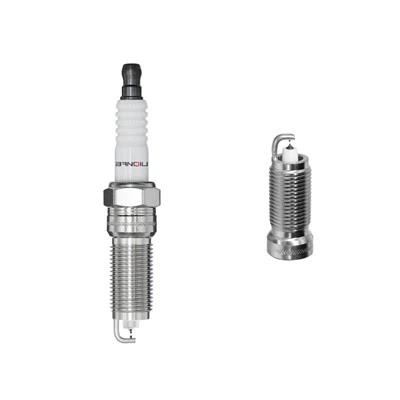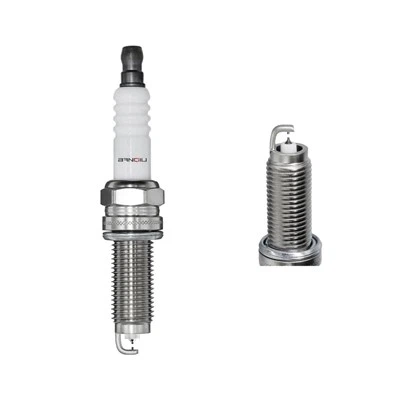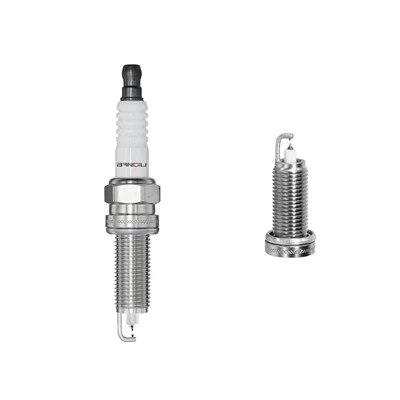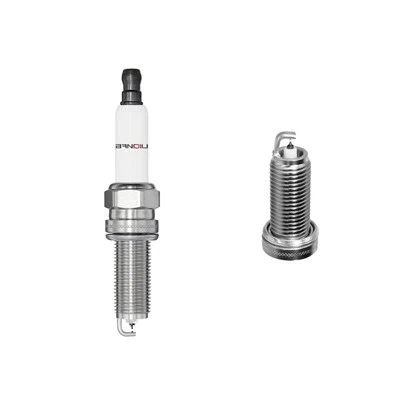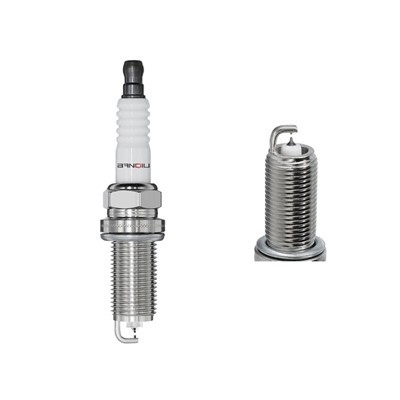
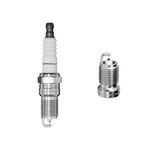
Spark Plug

Huangshan BANQIU Auto Parts Manufacturing Co., Ltd.

7x24h Production & Delivery Network

3b16e772d6bf75ea949bf36576c84cda1

29000㎡

Factory Area


68M

Annual Output


100+

Export Countries


500+

Overseas Distributors


OEM / ODM / OBM Customization Service

BANQIU offers customized spark plug production according to clients' technical requirements, performance standards, or sample references - including electrode structure, resistance value, heat range, branding, packaging design, and inspection reports. All products are manufactured under ISO/IATF-certified systems, ensuring stable performance and consistent quality. Our engineering team focuses on performance optimization and structural innovation, utilizing advanced double-iridium, double-platinum, and hybrid iridium-platinum technologies for higher ignition efficiency, improved fuel economy, and extended lifespan.


ELECTRODE MATERIAL LIFESPAN MELTING POINT
NI-CU 1 30,000 KM 1453°C
PALTINUM 2 50,000 KM 1772°C
DOUBULE PLATINUM 3 80,000 KM 1772°C
IRIDIUM 4 80,000 KM 2454°C
IRIDIUM-PLATINUM 5 100,000 KM 2454°C
DOUBLE IRIDIUM 6 OVER 100,000 KM 2454°C
First 1234567 Last 1/71

What is Spark Plug?


A spark plug is a device used in an internal combustion engine — that is, an engine that derives its power via exploding gases inside a combustion chamber — to ignite the air-fuel mixture.
The spark plug is positioned at the top of the cylinder, where the air-fuel ratio is compressed. The tip of the plug sits inside the engine, recessed into the side of the cylinder wall. The other end remains outside the engine and is attached to a wire that is also attached to the distributor.


PRODUCT CRAFTSMANSHIP
01.

Ceramics and structures that are resistant to high temperature,high pressure and wear, and can withstand high voltages of more than 39,000 volts.

02.

360° seamless laser fully automatic welding, no false welds, no falling ofand the melting depth reaches 99.9%.


03.

Ultra-fine 0.5 diameter center electrode and side electrode needle weldding process improve ignition performance while ensuring service life.

04.

Needle ignition, ignition is more concentrated, combustion is more compleete,power is stronger and fuel is saved.


Spark Plug Specifications
 

Spark plugs come with a variety of specifications, each designed for a specific application. Here are some key specifications:

01/

Heat Range

The heat range defines the spark plug’s ability to dissipate heat — a crucial factor that affects combustion stability and prevents pre-ignition or fouling.A plug that’s too “hot” may cause carbon buildup or incomplete combustion.A plug that’s too “cold” may lead to pre-ignition due to excessive heat.
BANQIU uses advanced thermal simulation and heat conduction testing to match the optimal heat range for different engine displacements, compression ratios, and working conditions.For OEM / ODM projects, we customize the heat range based on engine parameters such as compression ratio, ignition timing, and fuel type — ensuring ideal working temperature and long-term durability.All plugs are verified through automated sintering furnaces and heat resistance tests, guaranteeing consistent performance even under high-temperature environments across different markets.

02/

Spark Gap

The spark gap directly influences ignition energy and combustion efficiency. A gap that’s too wide can cause misfire, while one that’s too narrow reduces flame propagation.BANQIU employs fully automated gap calibration systems, achieving precision within ±0.02 mm.For ODM projects, we adjust the electrode gap according to the ignition voltage requirements of various systems — from traditional distributor setups to modern COP (Coil-On-Plug) systems — ensuring strong and stable sparks.For high-performance engines, BANQIU also develops twin-electrode and multi-point designs that optimize combustion speed and enhance throttle response.

03/

Thread Size and Reach

The thread is the interface between the spark plug and the engine cylinder head. Its diameter, length, and sealing type directly affect installation depth, heat dissipation, and combustion balance.BANQIU uses precision cold forging and CNC machining to ensure perfect thread geometry, with nickel-plated anti-corrosion surfaces that withstand thousands of installations.We offer thread sizes from M10 to M18, supporting both gasket and tapered seat types.OEM and OBM clients can specify customized thread lengths and tolerances to match engine head designs and ensure proper heat transfer and sealing performance.

04/

Resistor or Non-Resistor

Resistor-type (R) spark plugs are designed to suppress electromagnetic interference (EMI), preventing signal disruption in modern vehicle electronics.BANQIU is the only manufacturer in China with a patented spark plug resistor powder, ensuring resistance stability within ±15% at 10kΩ.
For OEM clients, we provide options for both resistor and non-resistor configurations, depending on the vehicle’s electrical system.For ODM clients, we can develop customized resistance values to suit hybrid systems, motorcycles, and other specialized applications.

05/

Material

The material of the electrodes determines the spark plug’s conductivity, melting point, and wear resistance.BANQIU offers multiple material combinations to fit different

performance levels and market positions:Nickel Alloy: Cost-effective and reliable, ideal for standard applications.Platinum / Double Platinum: Enhanced durability and longevity.Iridium / Double Iridium: Superior ignition and throttle response for high-performance engines.Iridium–Platinum Hybrid: Premium balance of endurance and power.
Using vacuum laser welding and precision sintering technology, BANQIU ensures consistent bonding strength and ignition reliability.For OBM partners, we also offer tiered product strategies — economy, standard, and premium — to support brand differentiation and market segmentation.

06/

Terminal Type

The terminal determines how the spark plug connects to the ignition system.BANQIU offers various terminal types — solid, threaded, removable, and ball-type — compatible with both SAE and DIN standards.For OEM projects, we match terminal configurations to specific ignition system standards.
For ODM projects, we can develop unique terminal structures for specialty engines or tuning markets.All terminals undergo torque and conductivity testing to ensure stable contact under vibration and high-temperature conditions.


Components of Spark Plug
 

Terminal
The connection terminal is usually an SAE ‘barrel’ shaped connection, a 4 mm thread or a ’cup design’. The high tension ignition lead or a pencil coil is plugged onto the terminal. This connection allows the high voltage to be transferred to the firing end of the spark plug.


Ceramic insulator
Most spark plugs used today feature a single-ceramic insulator made from aluminium oxide, with other types of ceramic materials like porcelain used in the past. This provides many benefits, including thermal conductivity and superior insulation. Resistance to overheating, thermal and mechanical shock are other stand-out features. It also helps to prevent overheating and provides exceptional resistance against mechanical and thermal shock.


Resistor
In order to ensure electromagnetic compatibility (EMC) and thus the fault-free operation of the onboard electronics, a ceramic resistor is used inside the spark plug as an interference suppression device. It is constructed by a fusion of carbon and glass compounds which form a solid component within the spark plug. It also prevents interference with electronic components that are not located on the vehicle e.g. domestic TV and radios.


Centre electrode
The centre electrode can be made from nickel, copper, chromium and precious metals such as iridium and platinum.
It is connected to the terminal by an internal copper wire, which carries high electrical voltage through the spark plug to the tip of the centre electrode, where it then jumps the small gap to the ground (side) electrode, creating a spark.


Ground (Side) electrode
Once the spark jumps the gap from the centre electrode to the ground electrode, a spark is created which ignites the fuel in the combustion chamber.
The ground electrode can come in a variety of shapes and sizes. Some (multi-ground spark plugs) can even feature two, three and four ground electrodes. These, however, do not create more sparks than a spark plug with one ground electrode.


Gasket
The gasket ring prevents any possibility of combustion gas leaking past the spark plug due to the extremely high combustion pressures. In doing this, it prevents any cylinder pressure losses.


Metal Shell
This is the steel shell which a socket wrench fits around in order to loosen and tighten a spark plug. A plug’s hex head can come in a variety of sizes, which include 13mm, 14mm, 16mm, 18mm, 19mm, 21mm, 22mm, 24mm, 25mm and Bi-Hex 14.0mm.

HOW TO CLEAN YOUR SPARK PLUGS
 

Your vehicle’s spark plugs play a crucial role in keeping the engine running smoothly. They are essentially the “spark of life” that ignites the air-fuel mixture and powers your car forward. When spark plugs become worn or dirty, your vehicle’s performance and fuel efficiency can decline. To maintain peak engine performance, it’s important to keep your spark plugs clean and in good working condition.

Remove your spark plugs

The first thing you need to do is remove your spark plugs. To do that you’ll need a ratchet wrench and protective wear for your eyes. Then follow the instructions in your owner’s manual to properly remove your spark plugs.

Sandpaper method

The first method for cleaning your spark plugs is the sandpaper method. Use 200 grit sandpaper to rub away any carbon deposits on the end of the spark plugs electrode –the tiny pole on the end of the spark plug.

File method

The file method is similar to the sand paper method. Using a metal file, file away all of the carbon deposits on the electrode. A file should be your next step if sandpaper isn’t enough to rid your spark plugs of carbon buildup.

Wire brush method

In lieu of sandpaper, you can use a wire brush. A wire brush will also help you remove the dirt, oil, and debris around the whole spark plug, not just the electrode.

Carbon cleaner method

Carbon cleaner can be used with a cloth or in conjunction with the sandpaper or wire brush method. To use carbon cleaner, hold the spark plug in a vice-like grip and spray it with carbon cleaner. Then use a cloth or wire brush to remove dirt, debris, and carbon buildup.

Spark plug cleaning machine

A spark plug cleaning machine will sand blast your spark plugs using compressed air. It is an effective method for cleaning spark plugs.


Our Factory

As a professional manufacturer with more than 17 years of experience, BANQIU SPARK PLUG offers a complete range of high-quality spark plugs developed through advanced engineering, precision manufacturing, and strict quality control. With OEM, ODM, and OBM capabilities, we provide customized solutions for global automotive brands, distributors, and performance enthusiasts. Our factory integrates automated assembly, oil-immersed spark testing, side electrode bending, sintering furnaces, and thermal riveting lines — ensuring every spark plug meets or exceeds international standards.

BANQIU Spark Plug
BANQIU Spark Plug
BANQIU Spark Plug
BANQIU Spark Plug
Our certificates


BANQIU Spark Plug
BANQIU Spark Plug
BANQIU Spark Plug
BANQIU Spark Plug
 
FAQ
 

Q: What exactly does a spark plug do?

A: Spark plugs function by producing a spark of electricity that ignites the air/fuel mixture within the engine. The spark plug has a small electrode at its tip connected to the ignition system. This electrode produces a spark of electricity that jumps across a small gap to the ground electrode when the engine is running.

Q: What happens when spark plugs go bad?

A: The most common signs of bad spark plugs include start-up trouble, rough idling, sluggish acceleration, declining fuel economy, engine misfiring, and engine knocking.

Q: Can a car run without a spark plug?

A: That spark ignites the mixture, and as it burns, it creates pressure that drives the piston down. This process happens very quickly – about 20 times per second! – but it's crucial to your engine's performance. Without good spark plugs, your car won't run.

Q: Can a car run missing one spark plug?

A: Technically, an engine can run so long as at least one spark plug functions, but running with any spark plugs out of order can damage your engine. To keep your engine running its best, it's always wise to change or repair your spark plugs whenever necessary.

Q: Can you drive a car with a bad spark plug?

A: How long can you drive with bad spark plugs? Ideally, you should replace them immediately. However, you can get by for a short while, as long as they aren't misfiring. Poor spark keeps fuel from being burned inside the combustion chamber.

Q: Can you jump start a car with bad spark plugs?

A: There are also a few other things that can cause a car not to start with a jump. For example, if the spark plugs are worn or damaged, they may not be able to generate the spark needed to start the engine. Similarly, if the fuel pump is not functioning properly, the engine may not be getting the fuel it needs to run.

Q: Can I just replace one spark plug?

A: Generally speaking, it is wise to change all of your spark plugs at once. Unless one of your spark plugs has become badly damaged or broken, replacement of all plugs at once will help to ensure consistent levels of performance in your engine.

Q: What damages spark plugs?

A: Overheating. Repeated overheating of the spark plug tip can cause the plug to prematurely fail. Overheating can be caused by many things like pre-ignition and a malfunctioning cooling system. Pre-ignition can lead to heat building up in the combustion chamber causing the spark plugs to fail.

Q: Are spark plugs only used for starting?

A: Spark plugs may also be used for other purposes; in Saab Direct Ignition when they are not firing, spark plugs are used to measure ionization in the cylinders – this ionic current measurement is used to replace the ordinary cam phase sensor, knock sensor and misfire measurement function.

Q: What happens if you don't change spark plugs?

A: Spark plugs are essential for your engine to start and for your car to run smoothly and efficiently. Old or worn spark plugs can cause your engine to knock and misfire, resulting in disastrous and costly consequences.

Q: How many spark plugs does a car have?

A: Only cars with internal combustion engines need spark plugs, and cars get one spark plug per cylinder. For example, a four-cylinder internal combustion engine has four spark plugs, while an eight-cylinder engine has eight spark plugs.

Q: Are spark plugs easy to change?

A: Introduction. Changing spark plugs takes about an hour (for a four-cylinder engine) and will save you at least a hundred bucks in labor if you do it yourself. In most cases it's a simple job that will help to maintain peak performance and the highest possible gas mileage.

Q: Will a car start with a dead spark plug?

A: If spark plugs have become clogged or worn down, the car's engine has to work overtime in order to make up for the overworked plugs. Sometimes the car will not start at all because there is simply not enough spark created to turn the engine over.

Q: Can your car break down with bad spark plugs?

A: If your spark plugs become dirty or fouled, it can affect how your engine runs. A fouled or bad spark plug is a plug that has become covered with a substance like oil, fuel or carbon or one that is blistered from running too hot. Driving with fouled or bad spark plugs can cause a host of problems for your engine.

Q: Will bad spark plugs throw a code?

A: The answer is - yes! Worn spark plugs can cause your vehicle's check engine light to illuminate, indicating an issue. It may even be a flashing check engine light. This is because bad spark plugs can cause your engine to misfire, which will trigger the check engine light to turn on.

Q: What is the life expectancy of spark plugs?

A: On average, the life of classic spark plugs is not more than 30,000 miles, and that of platinum and iridium is not more than 55,000 miles. The following are signs of malfunction that indicate the need to replace the spark plug: Deposits of ash or oil, soot, varnish or slag, melted or discolored electrodes.
Huangshan BANQIU Auto Parts Manufacturing Co., Ltd. is one of the leading spark plug manufacturers and suppliers in China. We warmly welcome you to wholesale discount spark plug from our factory. All customized products are with high quality and competitive price. Contact us for more details.