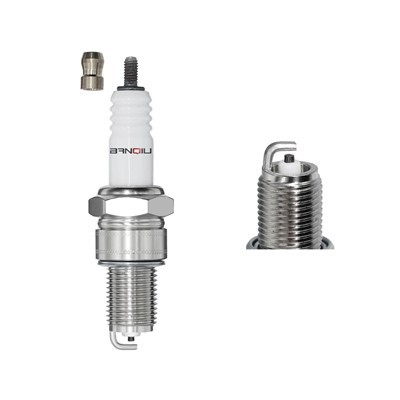
A generator is a crucial piece of equipment, especially in areas where power outages are common or in off - grid locations. One of the key components of a generator is the spark plug. A well - functioning spark plug is essential for the proper operation of the generator's engine. In this blog, we'll explore whether a generator spark plug can cause misfires and what you can do about it.
Understanding Generator Misfires
Before delving into the role of spark plugs, it's important to understand what a misfire is. A misfire occurs when the air - fuel mixture in one or more cylinders of the generator's engine fails to ignite properly. This can lead to a variety of issues, such as reduced power output, rough running, increased fuel consumption, and even potential damage to the engine over time.
The Role of a Spark Plug in a Generator
A spark plug is a small but vital part of the generator's ignition system. Its main function is to create a spark that ignites the compressed air - fuel mixture in the engine's cylinders. When the spark plug fires at the right time, it initiates the combustion process, which in turn powers the engine and allows the generator to produce electricity.
How a Faulty Spark Plug Can Cause Misfires
- Worn Electrodes
Over time, the electrodes of a spark plug can wear down due to the high - temperature and high - pressure environment in the engine cylinders. As the electrodes wear, the gap between them increases. A larger gap requires a higher voltage to create a spark. If the ignition system cannot provide this increased voltage, the spark may be weak or may not occur at all, leading to a misfire. For instance, if you've been using a spark plug in your generator for a long time without replacement, the electrodes may have become significantly worn, causing inconsistent ignition. - Carbon Deposits
Carbon deposits can accumulate on the spark plug's electrodes and insulator. These deposits can act as a conductor, short - circuiting the spark and preventing it from reaching the air - fuel mixture. This can result in misfires. Factors such as using low - quality fuel, running the generator at low loads for extended periods, or having a rich air - fuel mixture can contribute to carbon buildup on the spark plug. - Incorrect Heat Range
Spark plugs come in different heat ranges. The heat range refers to the ability of the spark plug to dissipate heat. If a spark plug with the wrong heat range is installed in the generator, it can cause problems. A spark plug with a too - high heat range may overheat, leading to pre - ignition (the air - fuel mixture igniting before the spark plug fires). On the other hand, a spark plug with a too - low heat range may not get hot enough to burn off carbon deposits, resulting in fouling and misfires.
Identifying Spark Plug - Related Misfires
- Visual Inspection
A simple visual inspection of the spark plug can provide valuable clues. If the electrodes are worn, eroded, or covered in heavy carbon deposits, it's likely that the spark plug is causing problems. You can also check for signs of oil or coolant on the spark plug, which may indicate other engine issues that could be contributing to misfires. - Testing the Spark Plug
You can use a spark plug tester to check if the spark plug is producing a strong and consistent spark. This involves removing the spark plug from the engine and connecting it to the tester. If the tester shows a weak or intermittent spark, it's a sign that the spark plug may be faulty.
Solutions to Spark Plug - Related Misfires
- Regular Replacement
It's recommended to replace the spark plug in your generator at regular intervals. The exact replacement interval depends on the type of spark plug and the usage of the generator. Generally, for most generators, replacing the spark plug every 100 - 200 hours of operation is a good rule of thumb. - Proper Installation
When installing a new spark plug, make sure to follow the manufacturer's instructions carefully. This includes setting the correct electrode gap and tightening the spark plug to the specified torque. An improperly installed spark plug can cause misfires or other ignition problems. - Choosing the Right Spark Plug
Select a spark plug with the correct heat range and specifications for your generator. As a generator spark plug supplier, we offer a wide range of high - quality spark plugs, such as the Nickel Spark Plug ZFR7F - 11 2975, Nickel Spark Plug BPM6A', 'Quick 304', 'Q304 2963, and Nickel Spark Plug BP5ET - 10 5156. These spark plugs are designed to meet the specific requirements of different generator models, ensuring reliable ignition and smooth operation.
Other Factors That Can Contribute to Misfires
While spark plugs are a common cause of misfires, it's important to note that other factors can also play a role. These include:
- Fuel System Issues
Problems with the fuel system, such as a clogged fuel filter, a malfunctioning fuel pump, or a dirty carburetor, can disrupt the proper delivery of fuel to the engine. This can result in an improper air - fuel mixture, leading to misfires. - Ignition System Problems
Faulty ignition coils, ignition modules, or distributor caps can also cause misfires. These components are responsible for providing the high voltage needed to create a spark at the spark plug. If they are not functioning correctly, the spark may be weak or absent. - Engine Compression Problems
Low engine compression can prevent the air - fuel mixture from igniting properly. This can be caused by worn piston rings, damaged valves, or a blown head gasket.
Conclusion
In conclusion, a faulty generator spark plug can indeed cause misfires. Worn electrodes, carbon deposits, and incorrect heat range are some of the common issues that can lead to spark plug - related misfires. However, it's important to consider other factors as well when diagnosing misfires in a generator.
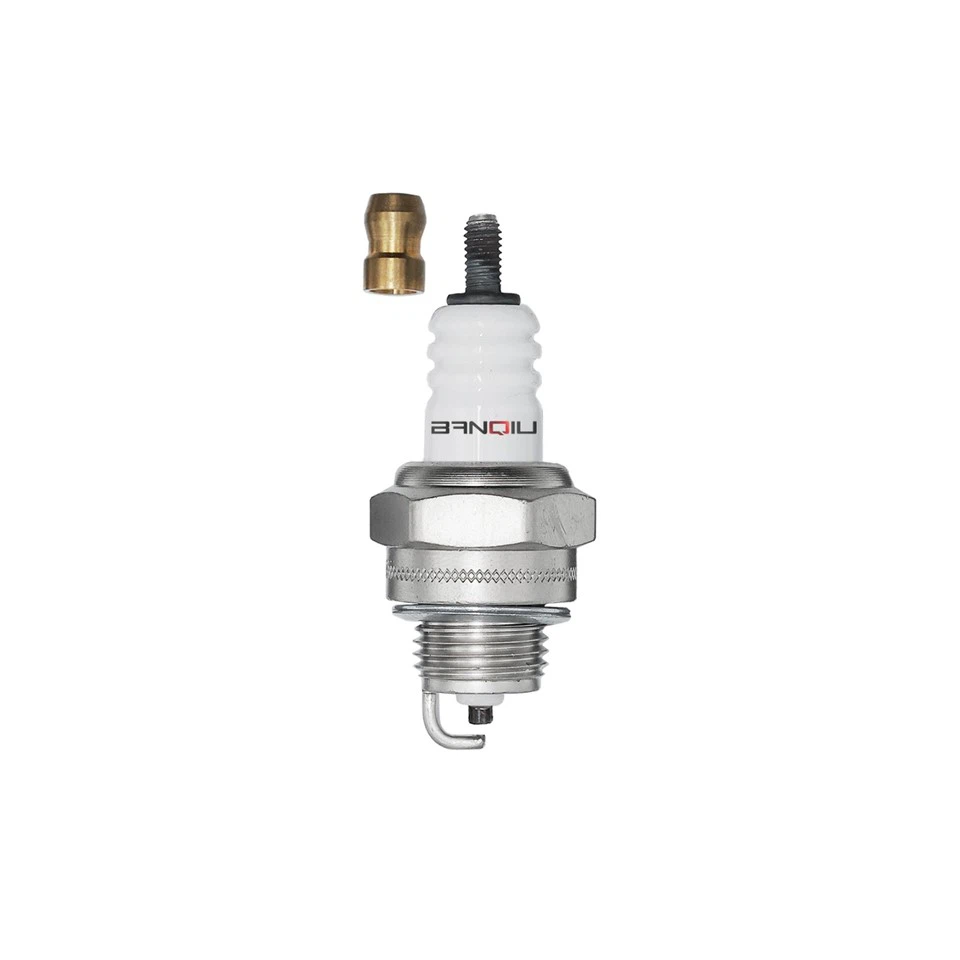

As a reliable generator spark plug supplier, we are committed to providing high - quality spark plugs that can help prevent misfires and ensure the smooth operation of your generator. If you're experiencing misfires in your generator or are looking for a replacement spark plug, we encourage you to reach out to us for professional advice and to discuss your purchasing needs. Our team of experts can help you select the right spark plug for your specific generator model and offer guidance on installation and maintenance.
References
- Automotive Ignition Systems: Principles, Diagnosis, and Service. By James D. Halderman.
- Small Engine Repair Manual. Various editions.