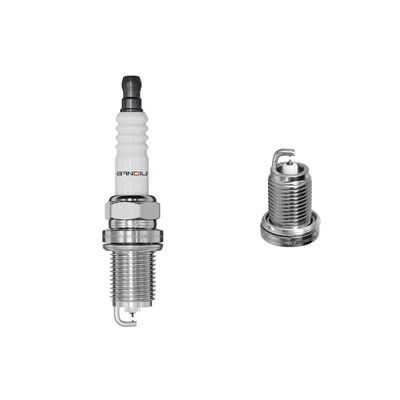
Hey there, fellow car enthusiasts! As a supplier of Gap Copper Spark Plugs, I often get asked about how these little powerhouses perform at high altitudes. It's a question that's not only important for the folks living in mountainous regions but also for those who love taking their rides on high - altitude adventures. So, let's dive right in and explore this topic in detail.
Understanding the Basics of Spark Plugs at High Altitudes
Before we talk about Gap Copper Spark Plugs specifically, it's crucial to understand the general challenges that spark plugs face at high altitudes. The air up there is thinner, which means there's less oxygen available for combustion. In a normal engine, the air - fuel mixture is designed to work optimally at sea - level conditions. When you go to higher altitudes, the same amount of fuel is mixed with less oxygen, leading to a richer mixture.
This change in the air - fuel ratio can cause a variety of issues for spark plugs. For one, the combustion process becomes less efficient. The spark plug needs to generate a strong enough spark to ignite this richer mixture, and if it can't, misfires can occur. Misfires can lead to reduced engine power, poor fuel economy, and increased emissions.
How Gap Copper Spark Plugs Tackle High - Altitude Challenges
1. Excellent Heat Dissipation
One of the key features of Gap Copper Spark Plugs is their superior heat dissipation. At high altitudes, the engine can run hotter due to the less - efficient combustion process. Copper is an excellent conductor of heat, which means that Gap Copper Spark Plugs can quickly transfer heat away from the firing end. This helps prevent overheating, which is a common problem at high altitudes that can lead to pre - ignition and engine knocking.
2. Strong Spark Generation
Despite the thinner air and richer air - fuel mixture, Gap Copper Spark Plugs are designed to generate a strong and consistent spark. The copper core in these spark plugs provides a low - resistance path for the electrical current, allowing for a more powerful spark. This strong spark is essential for igniting the rich mixture at high altitudes, reducing the chances of misfires and ensuring smooth engine operation.
3. Durability
High - altitude driving can be tough on spark plugs. The extreme temperature variations, from the cold mountain air to the hot engine, can take a toll on their performance. Gap Copper Spark Plugs are built to last. They are made with high - quality materials that can withstand these harsh conditions, ensuring that they continue to perform well over long periods of time.
Real - World Performance
I've heard from many of my customers who have used Gap Copper Spark Plugs during high - altitude trips. They've reported significant improvements in engine performance. One customer, who took his SUV on a camping trip in the Rocky Mountains, said that his engine felt more responsive and had better acceleration after switching to Gap Copper Spark Plugs. Another customer, who lives in a high - altitude area, noticed a decrease in fuel consumption and fewer misfires.
Comparing with Other Types of Spark Plugs
It's also worth comparing Gap Copper Spark Plugs with other types of spark plugs, like nickel spark plugs. For example, you can check out Nickel Spark Plug TR5B - 13 4559, Nickel Spark Plug BKUR6EK 2213, and Nickel Spark Plug BKR5EYA 2087.


Nickel spark plugs are generally more affordable, but they may not offer the same level of performance at high altitudes. Nickel has a lower thermal conductivity compared to copper, which means that it may not dissipate heat as effectively. This can lead to overheating and reduced performance, especially in high - altitude environments where the engine is already under more stress.
Tips for Using Gap Copper Spark Plugs at High Altitudes
1. Check the Gap
It's important to ensure that the spark plug gap is set correctly. At high altitudes, a slightly wider gap may be required to account for the thinner air. However, it's crucial to follow the manufacturer's recommendations to avoid any issues.
2. Regular Maintenance
Just like any other engine component, Gap Copper Spark Plugs need regular maintenance. Check them periodically for signs of wear and tear, and replace them if necessary. Regular maintenance can help ensure optimal performance, especially at high altitudes.
3. Consider the Engine Modifications
If you've made any modifications to your engine, such as adding a turbocharger or a supercharger, it's important to consult with a professional. They can help you determine if any adjustments need to be made to the spark plugs or the engine's tuning to ensure optimal performance at high altitudes.
Why Choose Gap Copper Spark Plugs as Your Supplier
As a supplier of Gap Copper Spark Plugs, I take pride in offering high - quality products that are designed to meet the needs of our customers. We source our spark plugs from reputable manufacturers and ensure that they undergo strict quality control measures.
We also provide excellent customer service. Whether you have questions about the performance of our spark plugs at high altitudes or need help with installation, our team is always ready to assist you.
Let's Connect for Your Spark Plug Needs
If you're interested in purchasing Gap Copper Spark Plugs for your vehicle, especially if you plan to drive at high altitudes, I'd love to hear from you. We can discuss your specific requirements and help you find the right spark plugs for your engine. Don't hesitate to reach out and start a conversation about how we can improve your vehicle's performance.
References
- "Automotive Engine Performance" by James D. Halderman
- "High - Altitude Driving: Effects on Vehicle Performance" - Journal of Automotive Engineering Research