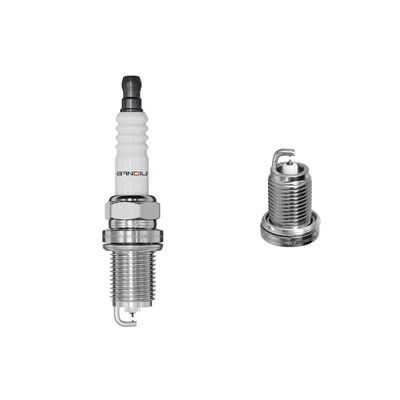
As a supplier of copper spark plugs, I've witnessed firsthand the importance of these components in ensuring optimal engine performance. Copper spark plugs are known for their excellent thermal conductivity, which helps in efficient heat dissipation and reliable ignition. In this blog, I'll guide you through the process of installing copper spark plugs, sharing insights and tips along the way.
Preparing for Installation
Before you start the installation process, it's crucial to gather all the necessary tools and materials. Here's a list of what you'll need:
- New Copper Spark Plugs: Make sure you have the correct type and size of copper spark plugs for your vehicle. You can refer to your vehicle's owner's manual or consult with a mechanic to determine the right specifications.
- Socket Wrench: A socket wrench with the appropriate size socket for your spark plugs is essential. This will allow you to remove and install the spark plugs easily.
- Spark Plug Gap Tool: This tool is used to measure and adjust the gap between the center and ground electrodes of the spark plug. The correct gap is crucial for proper ignition and engine performance.
- Anti-Seize Compound: Applying a small amount of anti-seize compound to the threads of the spark plug can prevent them from seizing in the cylinder head, making future removal easier.
- Torque Wrench: A torque wrench is used to tighten the spark plugs to the recommended torque specification. Over-tightening or under-tightening the spark plugs can lead to problems such as misfires or damage to the cylinder head.
Step-by-Step Installation Process
Now that you have all the necessary tools and materials, let's dive into the installation process:
- Locate the Spark Plugs: The spark plugs are typically located on the top of the engine, connected to the ignition wires or coils. Refer to your vehicle's owner's manual or a repair guide to find the exact location of the spark plugs.
- Remove the Ignition Wires or Coils: If your vehicle has ignition wires, carefully remove them from the spark plugs by pulling on the boot (the rubber part) of the wire. If your vehicle has ignition coils, use a socket wrench to remove the bolts or screws holding the coils in place and then lift them off the spark plugs.
- Inspect the Old Spark Plugs: Before installing the new spark plugs, take a moment to inspect the old ones. Look for signs of wear, such as a worn electrode, carbon deposits, or oil fouling. If the old spark plugs are in poor condition, it may indicate other issues with your engine that need to be addressed.
- Check and Adjust the Spark Plug Gap: Use a spark plug gap tool to measure the gap between the center and ground electrodes of the new spark plugs. The correct gap is specified in your vehicle's owner's manual or on the spark plug packaging. If the gap is too wide or too narrow, use the gap tool to adjust it accordingly.
- Apply Anti-Seize Compound: Apply a small amount of anti-seize compound to the threads of the new spark plugs. Be careful not to get any compound on the electrodes, as this can affect the spark plug's performance.
- Install the New Spark Plugs: Carefully insert the new spark plugs into the cylinder head by hand, turning them clockwise until they are snug. Then, use a socket wrench to tighten the spark plugs to the recommended torque specification. Refer to your vehicle's owner's manual or the spark plug packaging for the correct torque value.
- Reconnect the Ignition Wires or Coils: If you removed the ignition wires, carefully reconnect them to the new spark plugs by pushing the boot onto the spark plug until it clicks into place. If you removed the ignition coils, place them back on the spark plugs and use a socket wrench to tighten the bolts or screws holding them in place.
- Start the Engine and Check for Proper Operation: Once you have installed all the new spark plugs and reconnected the ignition wires or coils, start the engine and listen for any unusual noises or vibrations. Check the engine's performance to make sure it is running smoothly and that there are no misfires.
Tips and Considerations
- Follow the Manufacturer's Recommendations: Always refer to your vehicle's owner's manual and the spark plug manufacturer's recommendations for the correct type, size, and gap of the spark plugs.
- Use the Right Tools: Using the correct tools, such as a socket wrench, spark plug gap tool, and torque wrench, is essential for a proper installation. Using the wrong tools can damage the spark plugs or the engine.
- Be Careful When Handling the Spark Plugs: Spark plugs are delicate components, so handle them with care to avoid damaging the electrodes or the insulator.
- Replace the Spark Plugs Regularly: Copper spark plugs typically need to be replaced every 20,000 to 30,000 miles, depending on your vehicle and driving conditions. Regularly replacing the spark plugs can help maintain optimal engine performance and fuel efficiency.
- Consider Upgrading to Platinum or Iridium Spark Plugs: While copper spark plugs are a popular and affordable option, platinum and iridium spark plugs offer longer service life and better performance. If you're looking for a more durable and efficient spark plug, consider upgrading to platinum or iridium.
Related Products
In addition to copper spark plugs, we also offer a wide range of nickel spark plugs, including the Nickel Spark Plug BP4FS 2230, Nickel Spark Plug LMAR6C-9 1679, and Nickel Spark Plug BCPR6EY-N-11 6262. These nickel spark plugs are designed to provide reliable ignition and long service life, making them a great choice for a variety of vehicles.
Contact Us for Purchasing
If you're interested in purchasing copper or nickel spark plugs, or if you have any questions or need further assistance, please don't hesitate to contact us. We're here to help you find the right spark plugs for your vehicle and ensure a smooth and hassle-free installation process.

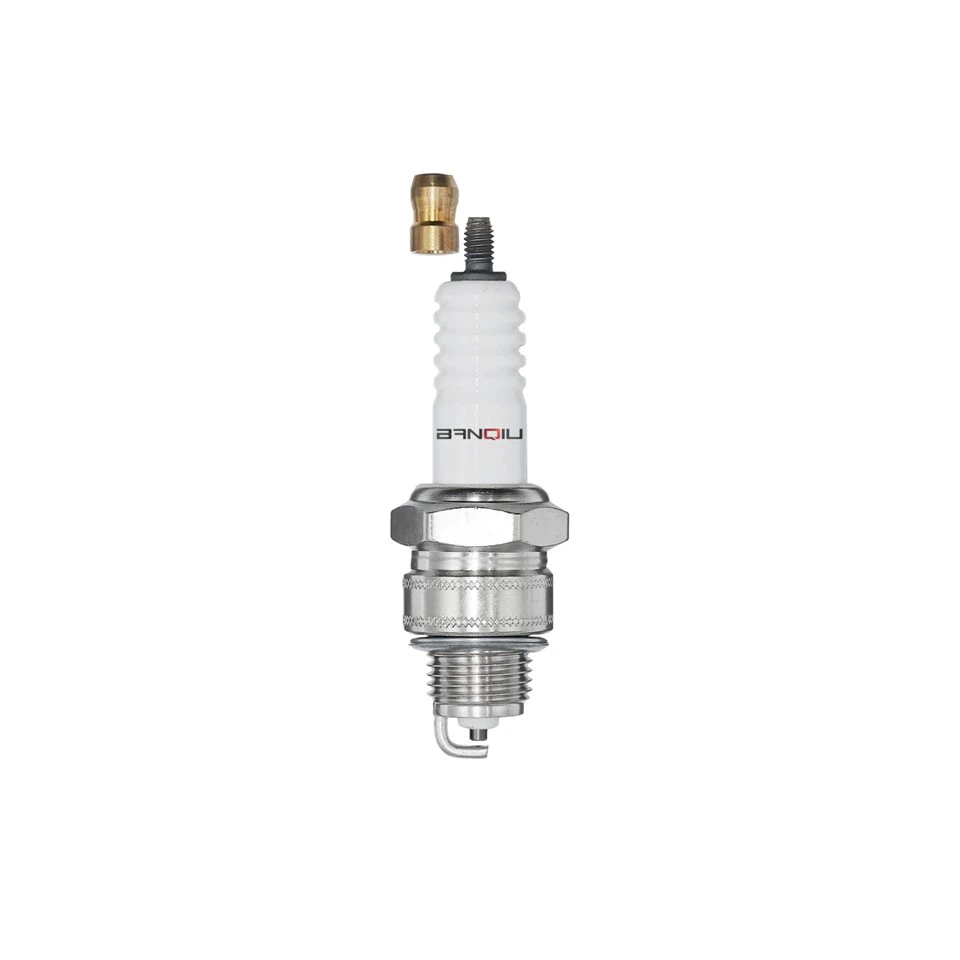
References
- Vehicle Owner's Manual
- Spark Plug Manufacturer's Specifications