As a leading supplier for Automobile Repairment - 2033, I've witnessed firsthand the evolution of automotive repair techniques, especially when it comes to cooling system repair. In 2033, the automotive landscape has changed significantly, with advanced technologies and more complex cooling systems. In this blog, I'll share how Automobile Repairment - 2033 handles cooling system repair.
Understanding the Modern Cooling System
In 2033, cooling systems have become highly sophisticated. With the rise of electric and hybrid vehicles, along with more powerful internal combustion engines, the cooling requirements have increased exponentially. Modern cooling systems are not just about keeping the engine at an optimal temperature; they also play a crucial role in maintaining the performance of other components such as batteries in electric vehicles and advanced electronic systems.


The basic components of a cooling system still include the radiator, water pump, thermostat, coolant hoses, and fans. However, these components have seen significant improvements. For example, radiators now use advanced materials that offer better heat transfer efficiency, and water pumps are more reliable and energy - efficient.
Diagnostic Procedures
The first step in cooling system repair at Automobile Repairment - 2033 is a comprehensive diagnostic process. We use state - of - the - art diagnostic tools that can interface with the vehicle's onboard computer systems. These tools can detect a wide range of issues, from minor coolant leaks to malfunctions in the thermostat or water pump.
We start by visually inspecting the cooling system components. This includes checking the radiator for any signs of damage, such as leaks or blockages. We also examine the coolant hoses for cracks, bulges, or loose connections. The water pump is inspected for any signs of leakage or abnormal noise, which could indicate a failing impeller.
In addition to the visual inspection, we perform a pressure test on the cooling system. This helps us to identify any hidden leaks that may not be visible during the visual inspection. By pressurizing the system, we can detect leaks in the radiator, hoses, or the engine block itself.
Another important diagnostic step is to check the coolant level and its condition. Coolant should be at the appropriate level and have the right chemical composition. Over time, coolant can break down, lose its anti - corrosion properties, and become contaminated. We use coolant testers to check the coolant's pH level, freezing point, and boiling point.
Repairing the Radiator
If the radiator is found to be damaged, we have several repair options at Automobile Repairment - 2033. For minor leaks, we can often perform a patch repair using specialized radiator sealants or by soldering small holes. However, for more severe damage, such as a cracked radiator core, a replacement may be necessary.
When replacing a radiator, we ensure that we use high - quality radiators that are compatible with the vehicle's make and model. We also take the time to properly install the new radiator, ensuring that all connections are tight and that the radiator is properly aligned. This helps to prevent future leaks and ensures optimal cooling performance.
Water Pump Replacement
The water pump is a critical component of the cooling system, as it circulates the coolant throughout the engine. If the water pump fails, the engine can quickly overheat, leading to serious damage. At Automobile Repairment - 2033, we have extensive experience in water pump replacement.
When replacing a water pump, we first drain the coolant from the system. Then, we remove the old water pump, taking care to clean the mounting surface on the engine block. We install the new water pump, making sure to use the correct gaskets and seals. After installation, we refill the cooling system with the appropriate coolant and bleed any air from the system.
Thermostat Repair and Replacement
The thermostat regulates the flow of coolant through the engine, ensuring that the engine reaches and maintains its optimal operating temperature. A faulty thermostat can cause the engine to run too hot or too cold.
To diagnose a thermostat problem, we use diagnostic tools to monitor the engine's temperature and the coolant flow. If the thermostat is found to be malfunctioning, we replace it with a high - quality replacement part. When installing a new thermostat, we make sure it is properly seated and that the housing is tightened to the correct torque specification.
Coolant Hose Repair
Coolant hoses are prone to wear and tear over time. Cracks, leaks, or loose connections in the hoses can lead to coolant loss and reduced cooling performance. At Automobile Repairment - 2033, we carefully inspect all coolant hoses during the diagnostic process.
For minor cracks or leaks, we can often repair the hoses using hose clamps and patches. However, for severely damaged hoses, we recommend replacement. When replacing coolant hoses, we use hoses that are made from high - quality materials and are designed to withstand the high temperatures and pressures of the cooling system.
Importance of Spark Plugs in the Overall System
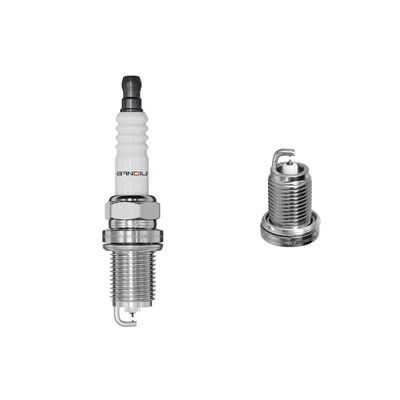
While spark plugs are not directly part of the cooling system, they play an important role in the overall performance of the engine. A properly functioning ignition system, including Platinum Spark Plug PFR6M 2093, Platinum Spark Plug B8HVX 2634, and Double Platinum Spark Plug PFR6D10G 1632, ensures that the engine burns fuel efficiently. This, in turn, helps to maintain a stable engine temperature and reduces the load on the cooling system.
Worn - out spark plugs can cause misfires, which can lead to uneven combustion and increased heat generation in the engine. By using high - quality spark plugs, we can help to keep the engine running smoothly and reduce the risk of overheating.
Preventive Maintenance
At Automobile Repairment - 2033, we also emphasize the importance of preventive maintenance for the cooling system. Regular maintenance can help to prevent many cooling system problems from occurring in the first place.
We recommend that vehicle owners have their cooling systems flushed and refilled with fresh coolant at regular intervals. This helps to remove any contaminants and debris from the system and ensures that the coolant is performing at its best.
In addition, we suggest that vehicle owners have their cooling systems inspected at least once a year. This inspection can catch any potential problems early, before they become major issues.
Contact for Procurement and Repair Services
If you are in need of high - quality automotive repair parts for cooling system repair or if you are looking for professional repair services, we are here to help. Our team at Automobile Repairment - 2033 has the expertise and experience to handle all your cooling system repair needs. Whether you are an auto repair shop looking to stock up on parts or a vehicle owner in need of a repair, we can provide you with the best solutions.
We are committed to providing excellent customer service and high - quality products. Contact us to discuss your procurement and repair requirements, and let us help you keep your vehicles running cool and efficiently.
References
"Automotive Cooling System Design and Maintenance Guide", Third Edition, published by Automotive Engineering Press.
"Modern Automotive Technology", Eighth Edition, by James D. Halderman.