

As a seasoned supplier of spark plugs for car engines, I've witnessed firsthand the critical role these small components play in a vehicle's performance. A pre-ignition problem related to a spark plug can be a nightmare for car owners and mechanics alike. In this blog, I'll share the signs of a pre-ignition problem related to a spark plug in a car engine, based on my years of experience in the industry.
What is Pre-Ignition?
Before delving into the signs, it's essential to understand what pre-ignition is. Pre-ignition occurs when the air-fuel mixture in the combustion chamber ignites before the spark plug fires. This premature ignition can lead to a host of problems, including engine damage, reduced performance, and increased fuel consumption.
Signs of a Pre-Ignition Problem
1. Engine Knocking or Pinging
One of the most common signs of pre-ignition is engine knocking or pinging. This is a sharp, metallic sound that occurs when the air-fuel mixture ignites prematurely. The knocking sound is caused by the rapid expansion of the burning mixture, which creates pressure waves that collide with the engine's pistons and cylinders. If you hear a knocking or pinging sound coming from your engine, it's crucial to have it checked out immediately. Continuing to drive with a pre-ignition problem can cause severe damage to your engine.
2. Loss of Power
Pre-ignition can also cause a loss of power in your engine. When the air-fuel mixture ignites prematurely, it can disrupt the normal combustion process, resulting in a decrease in power output. You may notice that your car struggles to accelerate or that it feels sluggish when you try to pass other vehicles. If you experience a sudden loss of power, it's a good idea to have your spark plugs inspected.
3. Poor Fuel Economy
Another sign of a pre-ignition problem is poor fuel economy. When the air-fuel mixture ignites prematurely, it can cause the engine to burn fuel inefficiently. This means that your car will use more fuel to travel the same distance, resulting in increased fuel costs. If you notice that your car's fuel economy has decreased significantly, it could be a sign of a pre-ignition problem.
4. Overheating
Pre-ignition can also cause your engine to overheat. When the air-fuel mixture ignites prematurely, it can generate excessive heat, which can cause the engine to overheat. If you notice that your engine temperature gauge is reading higher than normal, it's important to have your engine checked out. Overheating can cause serious damage to your engine if it's not addressed promptly.
5. Misfiring
Misfiring is another sign of a pre-ignition problem. When a spark plug fails to ignite the air-fuel mixture at the right time, it can cause the engine to misfire. You may notice that your car's engine is running rough or that it's shaking when you're idling. Misfiring can also cause a decrease in power and fuel economy.
How to Prevent Pre-Ignition
Preventing pre-ignition is essential to keep your engine running smoothly and efficiently. Here are some tips to help you prevent pre-ignition:
1. Use the Right Spark Plugs
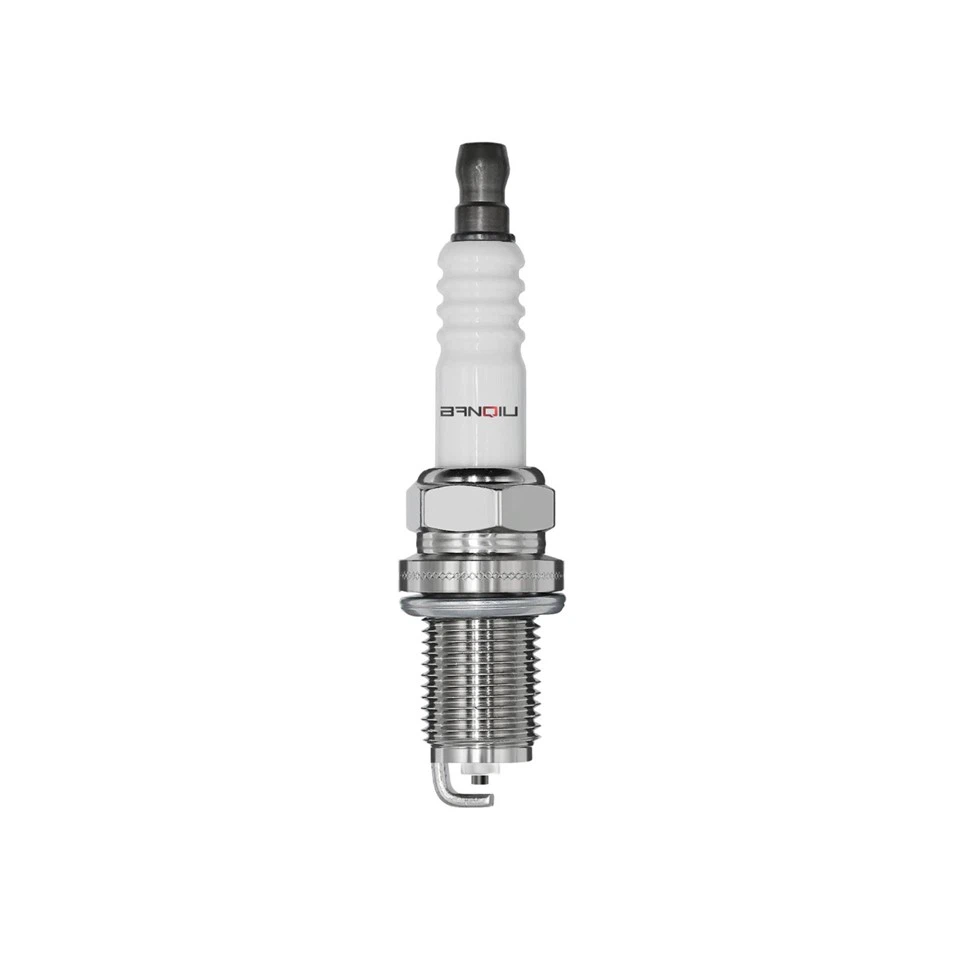
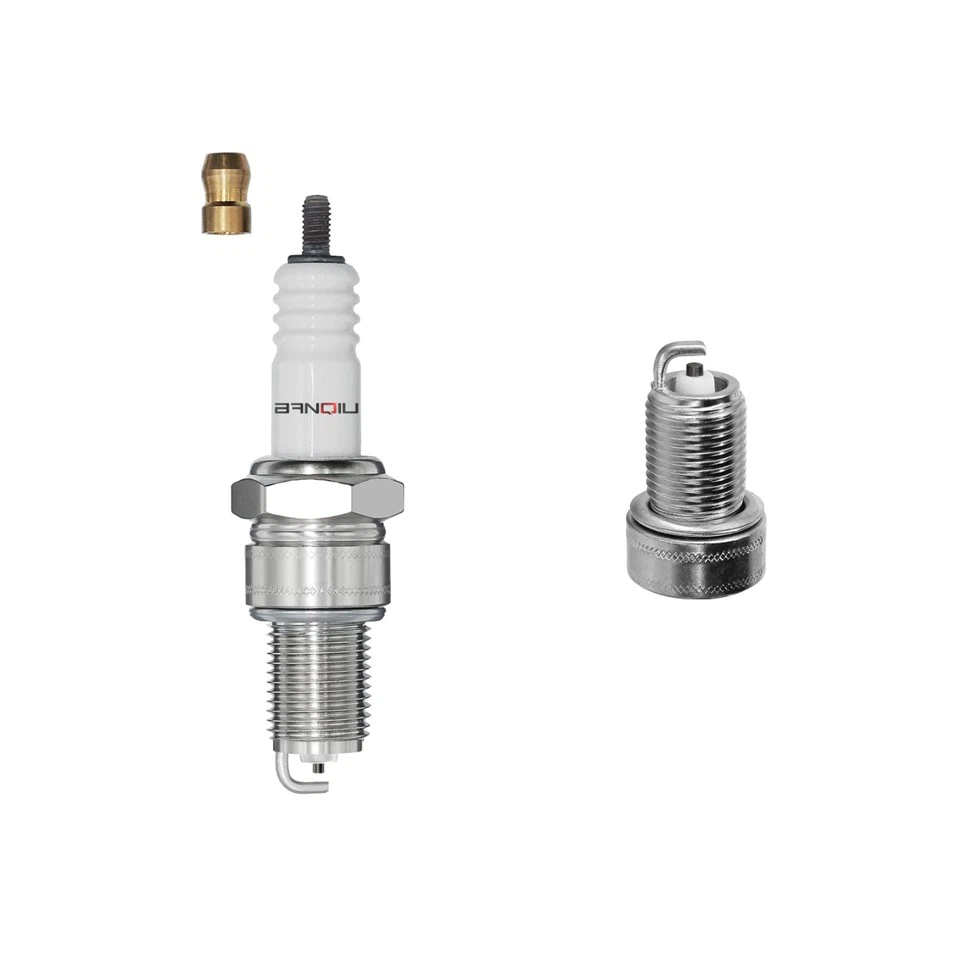
Using the right spark plugs for your car is crucial to prevent pre-ignition. Different engines require different types of spark plugs, so it's important to choose the ones that are recommended by your car's manufacturer. At our company, we offer a wide range of high-quality spark plugs, including Nickel Spark Plug BPR5E', 'V-Line 6', 'VL6 7281, Nickel Spark Plug BKR7ESC-11 6313, and Nickel Spark Plug BPR5EK-A 3628. These spark plugs are designed to provide optimal performance and reliability, helping to prevent pre-ignition and other engine problems.
2. Keep Your Engine Cool
Overheating can cause pre-ignition, so it's important to keep your engine cool. Make sure your radiator is filled with coolant and that your cooling system is working properly. If you notice that your engine is overheating, have it checked out by a professional mechanic.
3. Use High-Quality Fuel
Using high-quality fuel can also help prevent pre-ignition. Low-quality fuel can contain impurities that can cause the air-fuel mixture to ignite prematurely. Make sure you use the type of fuel that is recommended by your car's manufacturer.
4. Maintain Your Engine Regularly
Regular maintenance is essential to keep your engine running smoothly and prevent pre-ignition. Make sure you change your spark plugs, air filter, and oil regularly. Have your engine tuned up at the recommended intervals to ensure that it's running at its best.
Conclusion
Pre-ignition is a serious problem that can cause significant damage to your car's engine. By knowing the signs of a pre-ignition problem and taking steps to prevent it, you can keep your engine running smoothly and efficiently. At our company, we're committed to providing high-quality spark plugs and other automotive products to help you keep your car in top condition. If you're experiencing any of the signs of a pre-ignition problem or if you're looking for high-quality spark plugs, please don't hesitate to contact us. We'd be happy to help you find the right products for your needs and answer any questions you may have.
References
- "Automotive Engine Repair Manual"
- "Spark Plug Technology Handbook"
- "Car Maintenance Guide"


