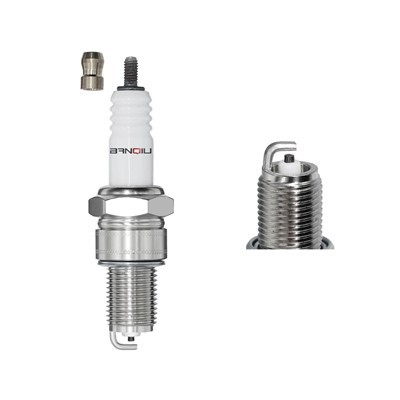
As a trusted supplier of Oil Spark Plug Turbo products, I often encounter inquiries regarding the optimal gap for oil spark plugs in turbo engines. This topic is crucial as it significantly impacts engine performance, fuel efficiency, and overall reliability. In this blog post, I'll delve into the recommended gap for oil spark plugs in turbo engines, exploring the factors that influence it and providing some practical insights.
Understanding the Role of Spark Plug Gap in Turbo Engines
Before discussing the recommended gap, it's essential to understand the role of the spark plug gap in turbo engines. The spark plug gap is the distance between the center electrode and the ground electrode. When the ignition system sends an electrical current to the spark plug, a spark jumps across this gap, igniting the air-fuel mixture in the combustion chamber.
In turbo engines, the air-fuel mixture is compressed to a higher pressure than in naturally aspirated engines. This increased pressure requires a stronger spark to ignite the mixture effectively. A proper spark plug gap ensures that the spark is strong enough to ignite the compressed air-fuel mixture, leading to efficient combustion.
Factors Influencing the Recommended Spark Plug Gap
Several factors influence the recommended spark plug gap in turbo engines. These factors include:
Engine Compression Ratio
The compression ratio of a turbo engine is the ratio of the volume of the combustion chamber at the bottom of the piston's stroke to the volume at the top of the stroke. Higher compression ratios result in higher cylinder pressures, which require a smaller spark plug gap to ensure reliable ignition.
Boost Pressure
Boost pressure is the additional pressure created by the turbocharger. Higher boost pressures increase the density of the air-fuel mixture, making it more difficult to ignite. As a result, a smaller spark plug gap may be necessary to maintain a strong spark.
Fuel Type
The type of fuel used in the turbo engine can also affect the recommended spark plug gap. Some fuels, such as ethanol blends, require a larger spark plug gap to ensure complete combustion.
Ignition System
The performance of the ignition system can influence the recommended spark plug gap. A high-performance ignition system can deliver a stronger spark, allowing for a larger spark plug gap.
Recommended Spark Plug Gap for Turbo Engines
The recommended spark plug gap for turbo engines typically ranges from 0.028 to 0.035 inches (0.71 to 0.89 mm). However, this range can vary depending on the specific engine and the factors mentioned above.
It's important to consult the engine manufacturer's specifications or the spark plug manufacturer's recommendations to determine the exact spark plug gap for your turbo engine. Using the incorrect spark plug gap can lead to various issues, including misfires, poor fuel efficiency, and reduced engine power.
Spark Plug Gap Adjustment
If the spark plug gap needs to be adjusted, it's essential to do so carefully. Using improper tools or techniques can damage the spark plugs. Here are the steps to adjust the spark plug gap:
- Gather the necessary tools: You'll need a spark plug gap tool, which is available at most auto parts stores.
- Remove the spark plugs: Use a spark plug socket to remove the spark plugs from the engine.
- Check the existing gap: Use the spark plug gap tool to measure the existing gap between the center electrode and the ground electrode.
- Adjust the gap: If the gap is too large, gently bend the ground electrode towards the center electrode using the spark plug gap tool. If the gap is too small, carefully bend the ground electrode away from the center electrode.
- Recheck the gap: After making the adjustment, recheck the gap using the spark plug gap tool to ensure it falls within the recommended range.
- Install the spark plugs: Once the gap is adjusted correctly, reinstall the spark plugs in the engine and tighten them to the recommended torque.
Our Spark Plug Products
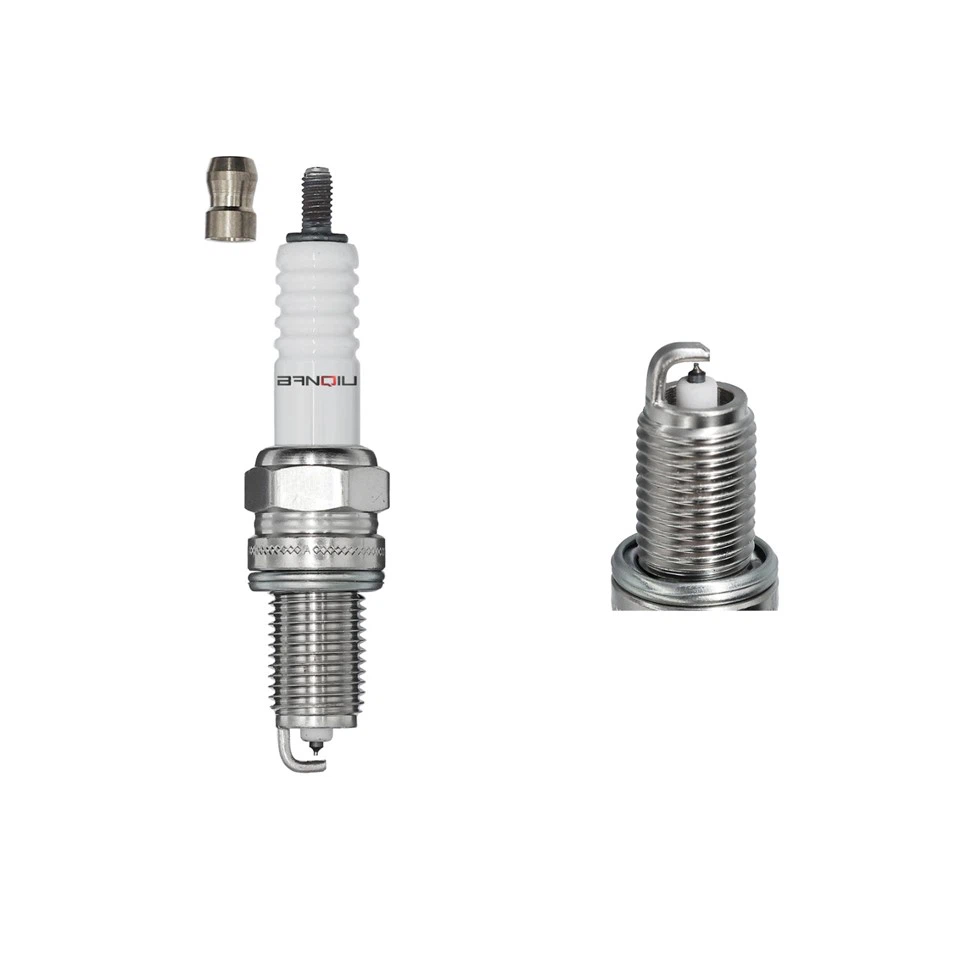
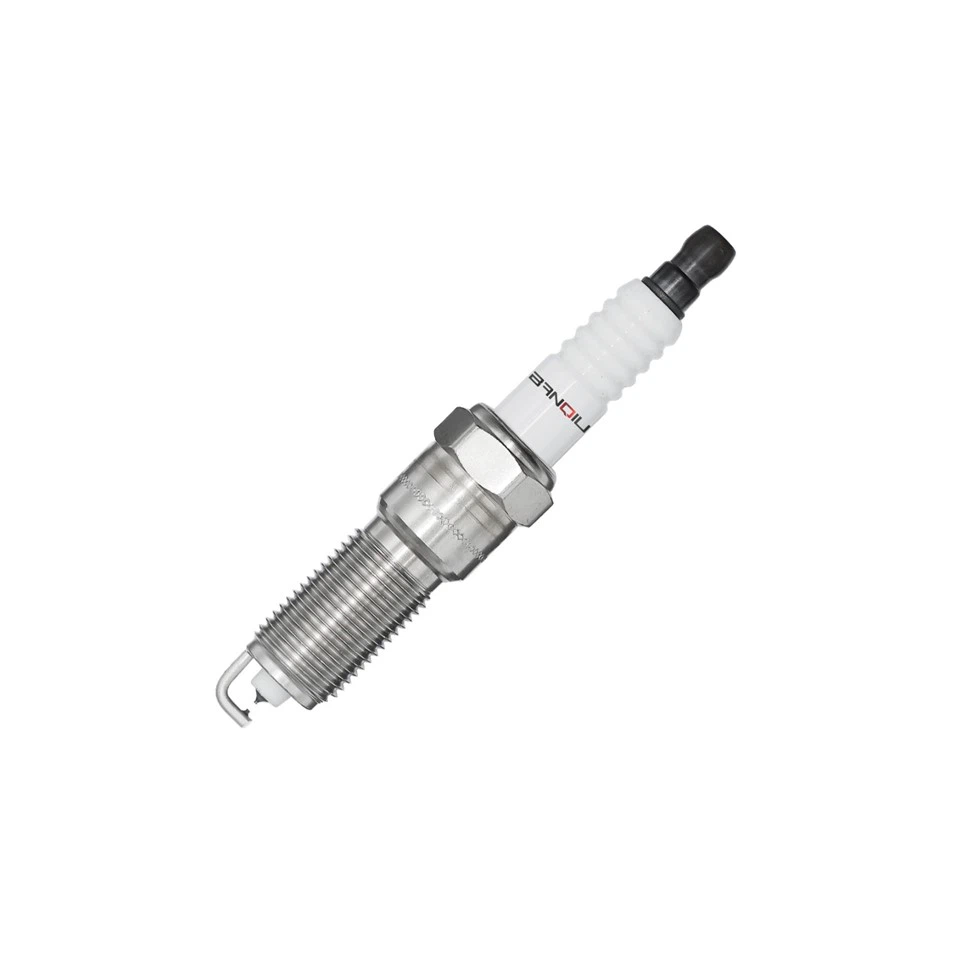
As an Oil Spark Plug Turbo supplier, we offer a wide range of high-quality spark plugs designed for turbo engines. Our products include the Iridium Spark Plug DPR8EIX - 9 2202, Iridium Spark Plug LZTR5AIX - 13 2314, and Iridium Spark Plug KR8AI 5477. These iridium spark plugs offer superior performance, durability, and reliability, making them ideal for turbo engine applications.
Conclusion
In conclusion, the recommended spark plug gap for turbo engines is influenced by several factors, including engine compression ratio, boost pressure, fuel type, and ignition system performance. It's crucial to consult the engine or spark plug manufacturer's specifications to determine the exact spark plug gap for your turbo engine. By using the correct spark plug gap and high-quality spark plugs, you can ensure optimal engine performance, fuel efficiency, and reliability.
If you're interested in purchasing our Oil Spark Plug Turbo products or have any questions about spark plug gaps in turbo engines, please feel free to contact us for procurement and further discussion. We're here to provide you with the best solutions for your turbo engine needs.
References
- Heywood, J. B. (1988). Internal Combustion Engine Fundamentals. McGraw-Hill.
- Taylor, C. F. (1985). The Internal Combustion Engine in Theory and Practice: Volume 1, Thermodynamics, Fluid Flow, Performance. MIT Press.