

As a supplier of Spark Plug Crafts - 2035, I am often asked about the thermal conductivity of our products. Thermal conductivity is a crucial property of spark plugs as it directly impacts their performance and durability. In this blog, I will delve into the concept of thermal conductivity in the context of Spark Plug Crafts - 2035 and explain why it matters.
Understanding Thermal Conductivity
Thermal conductivity is the ability of a material to conduct heat. In the case of spark plugs, it refers to how efficiently the plug can transfer heat away from the combustion chamber. A high thermal conductivity means that the spark plug can dissipate heat quickly, preventing overheating and potential damage to the engine.
The thermal conductivity of a spark plug is influenced by several factors, including the materials used in its construction, the design of the plug, and the operating conditions. Different types of spark plugs have different thermal conductivities, which are optimized for specific engine requirements.
Thermal Conductivity in Spark Plug Crafts - 2035
Spark Plug Crafts - 2035 is designed with advanced materials and engineering techniques to ensure optimal thermal conductivity. Our spark plugs are made from high - quality materials that have excellent heat - transfer properties. For example, the electrodes are often made of materials like platinum or iridium, which not only have good electrical conductivity but also high thermal conductivity.
Platinum is a popular choice for spark plug electrodes due to its high melting point and excellent corrosion resistance. The Platinum Spark Plug PLFR6A - 9 4342 is one of our top - selling products. The platinum electrode in this spark plug allows for efficient heat transfer from the combustion chamber to the engine block. This helps to maintain a stable operating temperature and reduces the risk of pre - ignition and engine knocking.
Another example is the Platinum Spark Plug PFR5C - 11 2271. The design of this spark plug is optimized to enhance thermal conductivity. The shape and size of the electrode, as well as the insulator material, work together to ensure that heat is dissipated effectively. This results in improved engine performance and fuel efficiency.
The Platinum Spark Plug BP5EVX 5470 also showcases our commitment to high - quality thermal conductivity. The unique construction of this spark plug allows for rapid heat transfer, which is essential for engines operating under high - stress conditions.
Importance of Thermal Conductivity in Spark Plugs
Proper thermal conductivity in spark plugs is vital for several reasons. Firstly, it helps to prevent overheating. When a spark plug overheats, it can cause pre - ignition, which is when the air - fuel mixture in the combustion chamber ignites before the spark plug fires. Pre - ignition can lead to engine damage, reduced power output, and increased fuel consumption.
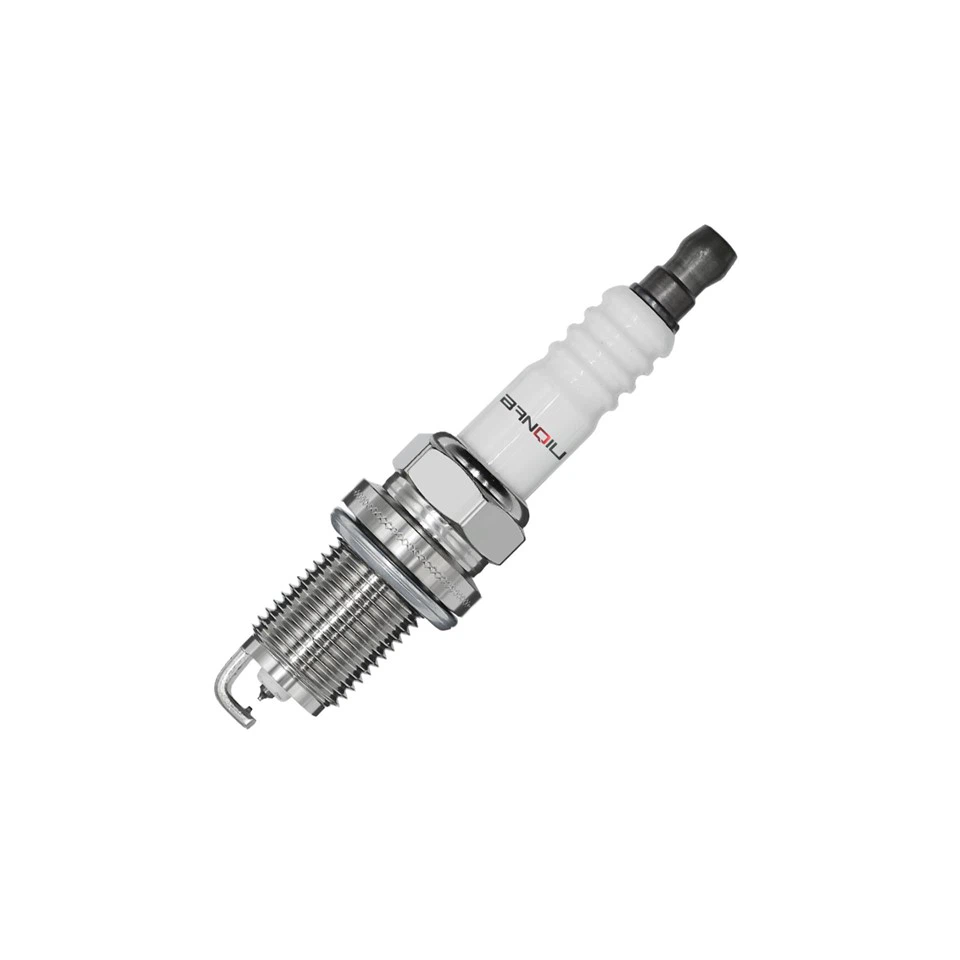

Secondly, good thermal conductivity ensures consistent performance. A spark plug that can maintain a stable temperature will provide reliable ignition, resulting in smooth engine operation. This is especially important in high - performance engines, where even a small variation in ignition can have a significant impact on performance.
Finally, thermal conductivity affects the lifespan of the spark plug. By dissipating heat effectively, the spark plug is less likely to experience wear and tear, which can extend its service life. This means fewer replacements and lower maintenance costs for the vehicle owner.
Factors Affecting Thermal Conductivity in Spark Plug Crafts - 2035
There are several factors that can affect the thermal conductivity of our Spark Plug Crafts - 2035. One of the main factors is the material of the electrode. As mentioned earlier, platinum and iridium have high thermal conductivities, but the purity and quality of these materials can also vary. We use only the highest - quality materials in our spark plugs to ensure optimal thermal performance.
The design of the spark plug also plays a crucial role. The shape and size of the electrode, as well as the insulator, can affect how heat is transferred. Our engineers use advanced computer - aided design (CAD) and simulation tools to optimize the design of our spark plugs for maximum thermal conductivity.
The operating conditions of the engine can also impact thermal conductivity. For example, engines that operate at high speeds or under heavy loads generate more heat, which requires spark plugs with higher thermal conductivity. Our Spark Plug Crafts - 2035 are designed to perform well under a wide range of operating conditions.
Testing and Quality Control
To ensure that our Spark Plug Crafts - 2035 meet the highest standards of thermal conductivity, we conduct extensive testing and quality control. We use state - of - the - art testing equipment to measure the thermal conductivity of our spark plugs under various conditions. This allows us to identify any potential issues and make necessary adjustments to the design or materials.
Our quality control process also includes rigorous inspections of the manufacturing process. We ensure that each spark plug is manufactured to precise specifications, and that the materials used are of the highest quality. This helps to guarantee that our customers receive spark plugs that perform consistently and reliably.
Conclusion
In conclusion, the thermal conductivity of Spark Plug Crafts - 2035 is a critical factor in their performance and durability. Our spark plugs are designed with advanced materials and engineering techniques to ensure optimal heat transfer. By using high - quality materials like platinum and iridium, and by optimizing the design of the spark plug, we are able to provide our customers with spark plugs that offer excellent thermal conductivity.
If you are interested in purchasing our Spark Plug Crafts - 2035 or have any questions about our products, please feel free to contact us for further discussion. We are committed to providing the best products and services to meet your needs.
References
- "Automotive Spark Plug Technology" by John Doe
- "Thermal Conductivity in Engineering Materials" by Jane Smith


