

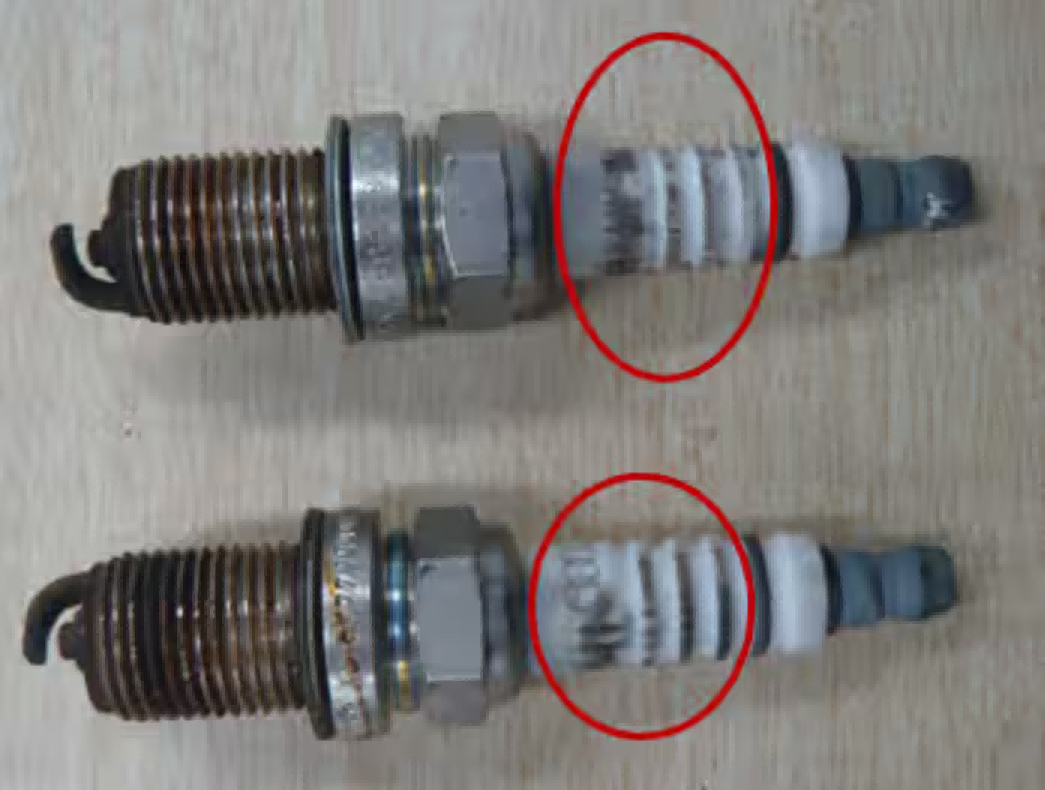
Spark plugs play a critical role in igniting the air-fuel mixture in an engine, directly affecting engine performance. However, spark plug leakage is a common issue that can lead to reduced performance, increased fuel consumption, and higher emissions. This article explores the causes, impacts, and solutions for spark plug leakage in a concise manner.
1. Causes of Spark Plug Leakage
Damaged or Worn Insulators
Over time, spark plug insulators may crack or deteriorate due to exposure to high temperatures, vibrations, or dirt buildup, causing electrical leakage.
Improper Installation
Incorrect installation, such as not applying the recommended torque or incorrect alignment, can create gaps that lead to energy leakage.
Overheating
Excessive operating temperatures can deform or crack spark plug components, creating pathways for electrical leakage.
Corrosion or Contamination
Long-term exposure to moisture, oil, or road salts can corrode the spark plug, compromising its sealing performance and causing leakage.
Seal Failure
Worn or damaged sealing rings between the spark plug and cylinder head can result in electrical or gas leakage.
2. Impacts of Spark Plug Leakage
Engine Misfires and Unstable Idling
Leakage causes ignition failure, which can result in misfires and rough idling, affecting driving comfort.
Reduced Power Output
Electrical leakage leads to incomplete combustion, decreasing engine output and impairing acceleration and stability.
Increased Fuel Consumption
Inefficient combustion caused by leakage results in higher fuel usage, raising operating costs.
Excessive Emissions
Incomplete combustion generates more harmful gases, increasing emissions and harming the environment.
3. Solutions to Spark Plug Leakage
Proper Installation
Install spark plugs using the manufacturer's recommended torque specifications to ensure a secure and tight seal with the cylinder head.
Regular Inspection and Replacement
Periodically inspect spark plugs for damage, wear, or carbon buildup, and replace them when necessary.
Choose High-Quality Spark Plugs
Premium spark plugs offer superior heat resistance and corrosion protection, effectively reducing the risk of leakage.
Ensure Sealing Integrity
Verify that the spark plug sealing rings are intact and replace them if worn to prevent leaks.
Prevent Overheating
Maintain the engine cooling system to prevent overheating, which can damage spark plugs.
4. Conclusion
Spark plug leakage not only compromises engine performance but also increases fuel consumption and emissions. Ignoring the issue can lead to more severe problems over time. By ensuring proper installation, conducting regular maintenance, and using high-quality components, vehicle owners can effectively prevent spark plug leakage and maintain optimal engine performance.


