

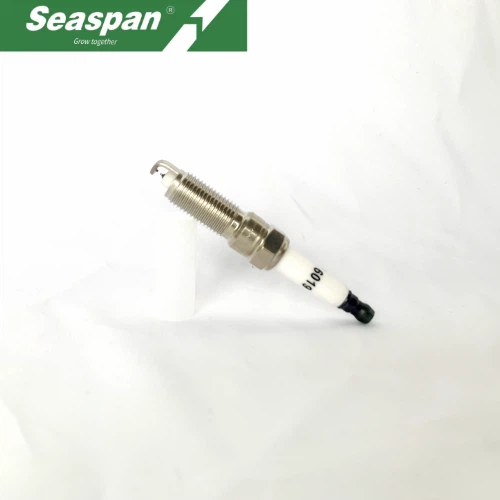
Some say "aluminum" heads are to blame. Well aluminum is softer than cast iron. But why is it usually Fords that have the issue? Why don't we hear about Chevys, Chryslers and Honda engines spitting out spark plugs? We have kits for those too, but usually when they have problems, it's because their threads were actually damaged from someone cross-threading spark plugs when installing them. Not the typical Ford spark plug blowout problem that we help people with that usually happens while driving down the road.
Not to get off topic, but here's a quick tip: When starting a new spark plug in the hole, always thread it in by hand a few threads. Using a 3/8" rubber fuel hose over one end makes starting a spark plug without damaging the threads a lot easier. It allows enough flexibility to line up properly and will prevent "force starting" which can easily damage the threads.
Back to the main topic of why Ford has an issue with spark plug blowouts: Some say, it's because Ford only uses 4 or 5 threads to hold the spark plug from the factory. That's true in some cases, but we have had plenty of failures reported to us from our customers that had fully threaded spark plug holes as well.
Some that write on this topic online, obviously have absolutely no automotive experience. They say an electric charge when the spark plug is too tight is somehow damaging the threads.... OK, I'm scratching my head over this one, because there's no logic in that statement. First off an electrical charge capable of degrading aluminum can occur in my experience only in fluid, like coolant. It's called electrolysis and it can erode away metal. Usually caused by voltage being present in the coolant. You can actually test this with a meter. More than a 1/2 volt there's potential for a problem. It's one reason to change your coolant at the recommended intervals (or maybe even a little sooner). I've personally seen leaky head gaskets due to electrolysis causing pitted heads. But it will not cause spark plug blowout!
Some say to check the torque on the spark plugs every 5,000 miles. Are you kidding me? Who does that? They may have accidentally stumbled upon the real area of concern though. A loose spark plug, especially one that is held in above with an ignition coil can vibrate and damage aluminum threads. It actually would do less damage if it were allowed to back on out without being held by the coil. So a loose spark plug is the most common cause of a spark plug blowout. We recommend NOT using anti seize, because this can alter torque specs. Make sure you're using the latest torque specs. Older manuals may have an incorrect lower setting of around 20 ft pounds. About 28-30 ft pounds seems to be the correct range for most 4.6, 5.4 and 6.8 Liter Fords. Also make sure you're not using inch pounds!
When a spark plug lets loose on a COP (Coil Over Plug) you may think someone is shooting at you! Here's what a recent customer had to say about his spark plug blow out, when the sparkplug shot out like a bullet and broke the ignition coil in the process.
"It startled me when it happened as I was beginning to accelerate from a traffic signal when the spark plug blew out! Sounded like a gun shot and it freaked out the motorist in the right lane next to me."


