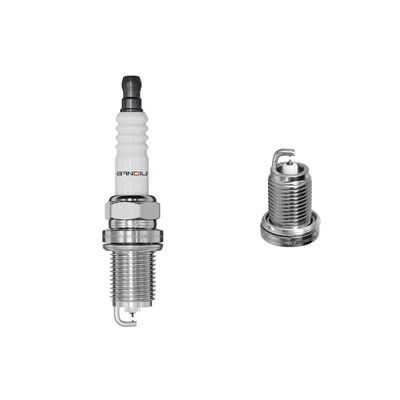
Are copper spark plugs more likely to cause detonation? This is a question that often comes up among automotive enthusiasts and professionals alike. As a supplier of copper spark plugs, I've had my fair share of discussions on this topic. In this blog, I'll delve into the science behind spark plugs, detonation, and whether copper spark plugs are indeed more prone to causing this issue.
Understanding Spark Plugs
Spark plugs are a crucial component of an internal combustion engine. Their primary function is to ignite the air - fuel mixture in the combustion chamber at the right time. A good spark plug should be able to provide a strong and consistent spark, withstand high temperatures and pressures, and have a long service life.
There are different types of spark plugs available in the market, including copper, nickel, and platinum spark plugs. Each type has its own unique characteristics. Copper spark plugs are known for their excellent thermal conductivity. This means they can transfer heat away from the combustion chamber more effectively than some other types of spark plugs.
What is Detonation?
Detonation, also known as engine knocking or pinging, is an abnormal combustion process in the engine. In a normal combustion process, the air - fuel mixture is ignited by the spark plug, and the flame front spreads smoothly across the combustion chamber. However, in detonation, the air - fuel mixture explodes rather than burns, causing a sharp increase in pressure and temperature. This can lead to engine damage, reduced performance, and increased fuel consumption.
There are several factors that can cause detonation, such as high compression ratios, low - octane fuel, advanced ignition timing, and overheating. The design and characteristics of the spark plug can also play a role in detonation.
Are Copper Spark Plugs More Likely to Cause Detonation?
The idea that copper spark plugs are more likely to cause detonation is a common misconception. In fact, copper spark plugs' high thermal conductivity can actually help prevent detonation. Since they can transfer heat away from the combustion chamber quickly, they reduce the risk of hot spots forming in the chamber, which are a common cause of detonation.


However, if the copper spark plug is not properly matched to the engine's requirements, it can contribute to detonation. For example, if a spark plug with a heat range that is too hot is used, it can cause the air - fuel mixture to ignite prematurely, leading to detonation. On the other hand, if the heat range is too cold, the spark plug may not be able to burn off deposits effectively, which can also lead to engine problems.
Comparing with Other Types of Spark Plugs
Let's compare copper spark plugs with nickel and platinum spark plugs in terms of detonation risk.
Nickel spark plugs, such as the Nickel Spark Plug BR8HCS - 10 1157 and Nickel Spark Plug D8EA 2120, have a lower thermal conductivity compared to copper spark plugs. This means they may not be as effective at dissipating heat, which could potentially increase the risk of detonation under certain conditions.
Platinum spark plugs, like the Platinum Spark Plug PTR5A - 13 2467, are known for their durability and long service life. They have a relatively high melting point, which allows them to withstand high temperatures. However, their thermal conductivity is also not as high as that of copper spark plugs. In some cases, if the engine is operating under high - stress conditions, platinum spark plugs may be more prone to detonation compared to copper spark plugs.
Choosing the Right Spark Plug
To minimize the risk of detonation, it's essential to choose the right spark plug for your engine. Here are some tips:
- Check the manufacturer's recommendations: The engine manufacturer usually provides guidelines on the appropriate spark plug type and heat range for your engine. Following these recommendations can help ensure optimal performance and reduce the risk of detonation.
- Consider the engine's operating conditions: If your engine operates under high - stress conditions, such as high - speed driving or towing heavy loads, you may need a spark plug with a lower heat range to dissipate heat more effectively.
- Monitor engine performance: Pay attention to any signs of detonation, such as knocking or pinging sounds, reduced power, or increased fuel consumption. If you notice these symptoms, it may be a sign that your spark plugs need to be replaced or that there is an underlying issue with your engine.
Conclusion
In conclusion, copper spark plugs are not more likely to cause detonation. In fact, their high thermal conductivity can help prevent detonation by dissipating heat from the combustion chamber. However, proper selection and installation of spark plugs are crucial to ensure optimal engine performance and minimize the risk of detonation.
If you're in the market for high - quality copper spark plugs or have any questions about spark plug selection, feel free to reach out to us. We're here to help you make the right choice for your engine.
References
- Heywood, J. B. (1988). Internal Combustion Engine Fundamentals. McGraw - Hill.
- Taylor, C. F. (1966). The Internal Combustion Engine in Theory and Practice. MIT Press.