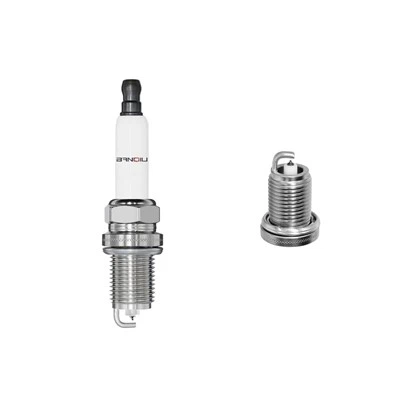
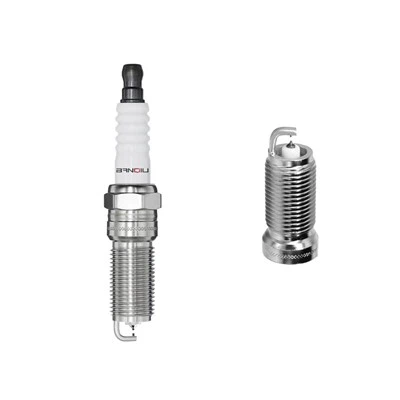
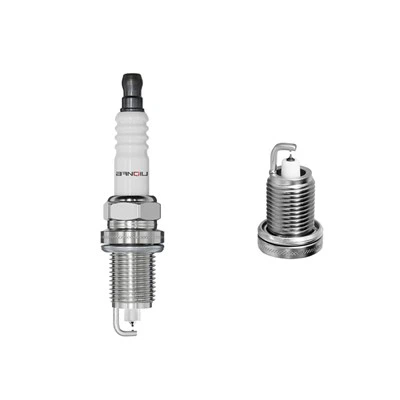
Alright, folks! As a supplier of copper spark plugs, I often get asked if copper spark plugs are prone to fouling. Today, I'm gonna dive deep into this topic to give you a crystal - clear answer.
Let's start with the basics. What exactly is spark plug fouling? Well, fouling occurs when the spark plug's electrodes get coated with a foreign substance. This coating can prevent the spark plug from generating a proper spark, which in turn can lead to all sorts of engine problems like misfiring, rough idling, and decreased fuel efficiency.
Now, let's talk about copper spark plugs. Copper is a great conductor of heat and electricity. That's one of the main reasons why it's used in spark plugs. The good thermal conductivity means that copper spark plugs can transfer heat away from the combustion chamber more effectively, which is crucial for maintaining the right engine temperature.
However, this doesn't necessarily mean they're immune to fouling. In fact, copper spark plugs can be more prone to fouling compared to some other types of spark plugs in certain situations.
One of the main factors that can lead to fouling in copper spark plugs is the type of fuel used. If you're using low - quality fuel that contains a lot of impurities, these impurities can build up on the spark plug electrodes over time. For example, sulfur in the fuel can react with the copper and form a layer of sulfur compounds on the electrodes. This layer acts as an insulator, reducing the ability of the spark plug to generate a strong spark.
Another factor is engine oil. If there's an oil leak in the engine and oil gets into the combustion chamber, it can coat the spark plug electrodes. Oil is a thick, sticky substance that can prevent the spark from jumping across the gap between the electrodes. Copper spark plugs, being more exposed due to their design, are at a higher risk of getting fouled by oil compared to some other types of spark plugs with more protective coatings.
Operating conditions also play a huge role. If you do a lot of stop - and - go driving, the engine doesn't reach its optimal operating temperature for long periods. This can cause unburned fuel to accumulate on the spark plug electrodes. Over time, this unburned fuel can turn into a thick, black carbon deposit. Copper spark plugs, especially in such low - temperature driving conditions, are more likely to experience fouling.
But it's not all doom and gloom for copper spark plugs. In normal driving conditions with high - quality fuel and a well - maintained engine, copper spark plugs can perform really well and may not foul easily. They're also relatively affordable compared to some of the other fancy spark plug types out there, which makes them a popular choice for many vehicle owners.


If you're worried about fouling, there are some alternative spark plug options you might consider. For instance, nickel spark plugs are known for their durability and resistance to fouling. Some popular nickel spark plugs include the Nickel Spark Plug AP7FS 2127, the Nickel Spark Plug BKR6EZB 4293, and the Nickel Spark Plug BCPR7EY - N - 11 2059. These nickel spark plugs have a different electrode material and coating that can withstand harsh operating conditions better and are less likely to get fouled.
So, to sum it all up, copper spark plugs can be prone to fouling under certain conditions such as using low - quality fuel, having an oil leak, or doing a lot of stop - and - go driving. But with proper maintenance and the right operating environment, they can still be a reliable choice.
If you're in the market for spark plugs, whether it's copper or other types, don't hesitate to reach out for a purchasing discussion. I'm here to offer you the best products and valuable advice to suit your vehicle's needs.
References:
- "Automotive Engine Performance" by James D. Halderman
- Various technical bulletins from spark plug manufacturers