

In the world of car engines, there are a bunch of components that play crucial roles in making the vehicle run smoothly. One of the most talked - about parts is the spark plug. As a spark plug in car engine supplier, I've heard all sorts of questions from customers. One question that keeps popping up is, "Can a spark plug cause a car engine to have a drop in fuel pressure?" Let's dig into this topic and find out.
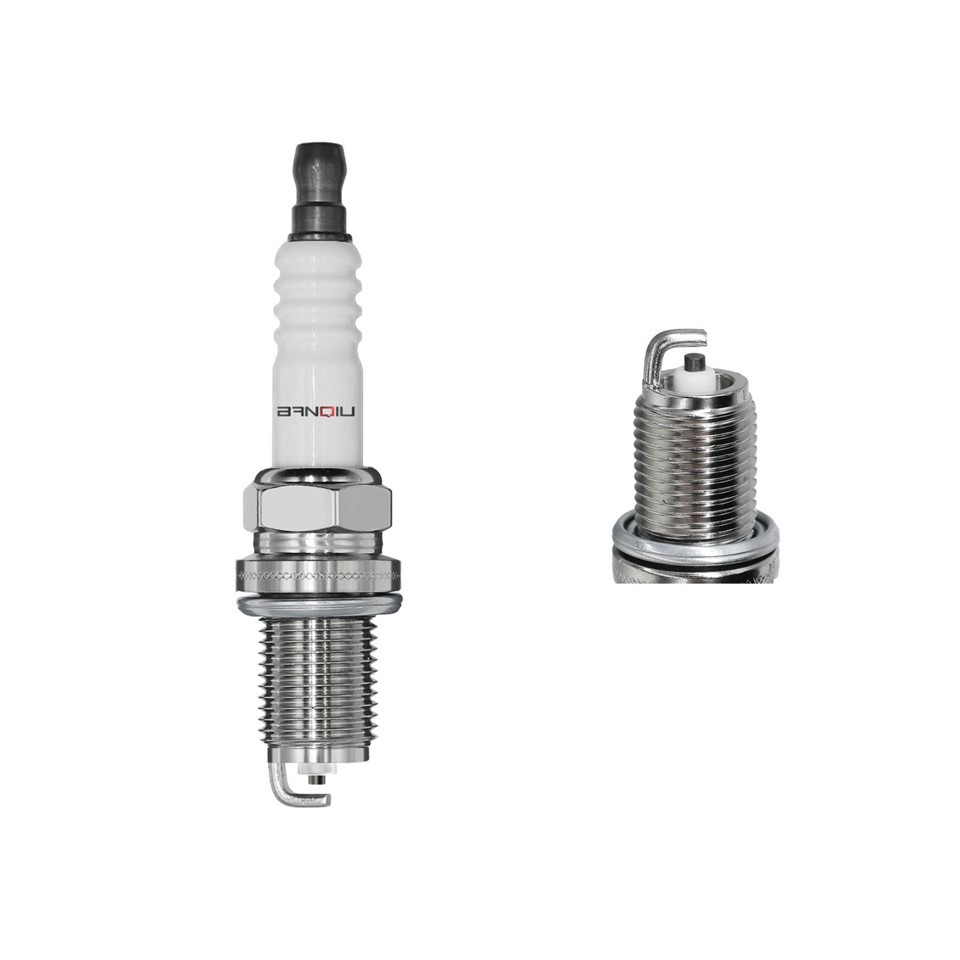
First off, let's understand what a spark plug does. A spark plug is a small but mighty part of the engine. Its main job is to create a spark in the combustion chamber. This spark ignites the air - fuel mixture, which then causes an explosion. That explosion is what drives the pistons and makes the engine run. It's like the match that lights the fire in a campfire. Without a proper spark, the engine won't run as it should.
Now, fuel pressure is another important aspect of engine operation. The fuel pump in the car is responsible for delivering fuel to the engine at the right pressure. This pressure ensures that the right amount of fuel is mixed with the air in the combustion chamber. If the fuel pressure drops, it can lead to a variety of problems, like rough idling, poor acceleration, and even engine stalling.
So, can a spark plug really affect fuel pressure? Well, directly, a spark plug doesn't have a say in fuel pressure. The fuel pressure is regulated by the fuel pump, fuel injectors, and the fuel pressure regulator. These components are all part of the fuel delivery system, which is separate from the ignition system where the spark plug belongs.
However, there's an indirect connection. When a spark plug starts to go bad, it can cause incomplete combustion. Incomplete combustion means that the air - fuel mixture isn't burning efficiently. When this happens, the engine control unit (ECU) might detect that something is off. The ECU is like the brain of the car, and it tries to adjust things to make the engine run better.
One of the things the ECU might do is to change the fuel injection timing or the amount of fuel being injected. If the spark plug is misfiring and the ECU senses a lack of power, it might increase the fuel flow in an attempt to compensate. But if the problem persists, and the combustion remains inefficient, it can lead to a build - up of unburned fuel in the exhaust system. This can put extra stress on the catalytic converter and other parts of the exhaust system.
Over time, this extra stress can cause issues in the fuel delivery system. For example, if the catalytic converter gets clogged due to the unburned fuel, the back - pressure in the exhaust can increase. This increased back - pressure can then affect the performance of the engine and, in some cases, cause a drop in fuel pressure. So, while the spark plug itself doesn't directly lower the fuel pressure, its malfunction can set off a chain of events that might lead to this problem.
Let's talk about some signs that your spark plugs might be causing problems. If you notice that your engine is misfiring, which feels like it's skipping a beat or running rough, it could be a sign of bad spark plugs. You might also experience a decrease in fuel efficiency. Since the combustion isn't efficient, the engine has to work harder, which means it burns more fuel. Another sign is a lack of power when you try to accelerate. If your car feels sluggish when you step on the gas, it could be due to faulty spark plugs.
As a spark plug supplier, I can tell you that choosing the right spark plug is crucial. We offer a wide range of high - quality spark plugs, like the Nickel Spark Plug BKR6EZ 4619, the Nickel Spark Plug BKR6EKC', 'V - Line 26', 'VL26 6895, and the Nickel Spark Plug BPZ8HS - 15 3180. These spark plugs are designed to provide a strong and consistent spark, which helps in efficient combustion.
Regular maintenance of your spark plugs is also important. You should check your spark plugs at regular intervals, as recommended by your car's manufacturer. Over time, spark plugs can wear out due to the high - temperature and high - pressure environment in the combustion chamber. The electrodes on the spark plug can erode, and the gap between them can widen. This can lead to a weaker spark and, as we've discussed, potential problems with combustion and fuel pressure.

If you suspect that your spark plugs are causing issues with your engine, it's a good idea to have them inspected by a professional mechanic. They can use specialized tools to check the condition of the spark plugs and determine if they need to be replaced. And if you do need new spark plugs, we're here to help.
In conclusion, while a spark plug doesn't directly cause a drop in fuel pressure, its malfunction can lead to a series of problems that might ultimately affect the fuel pressure in your car engine. So, taking good care of your spark plugs is essential for the overall health and performance of your vehicle.
If you're looking to purchase high - quality spark plugs for your car, we're the go - to supplier. We're always ready to assist you with your purchase and provide the best advice on which spark plugs are right for your vehicle. Don't hesitate to reach out for more information and start a procurement discussion.
References
- Smith, J. (2020). The Basics of Car Engine Components. Auto Mechanics Journal.
- Johnson, A. (2019). Fuel Pressure and Its Importance in Car Engines. Automotive Science Review.


