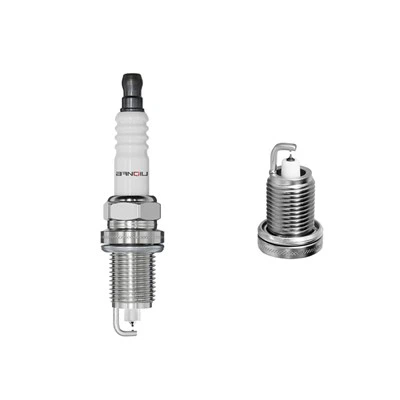
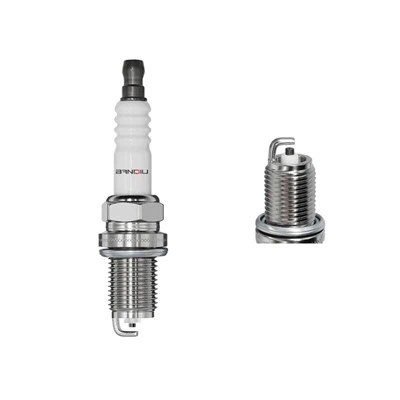
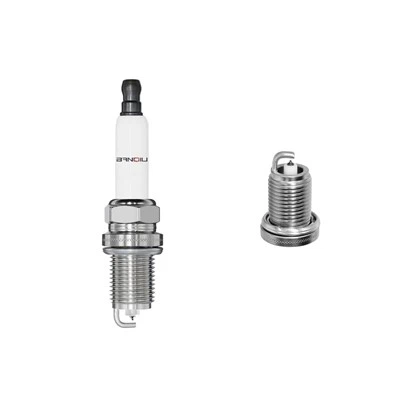
As a supplier of the Spark Plug Carbon Track - T7, I've received numerous inquiries about the installation differences between our product and other spark plugs. In this blog, I'll delve into the details to provide you with a comprehensive understanding.
1. General Installation Principles of Spark Plugs
Before discussing the differences, it's essential to understand the general principles of spark plug installation. Spark plugs are crucial components in an internal combustion engine. They generate the spark that ignites the air - fuel mixture in the combustion chamber, enabling the engine to run.
The basic installation process for all spark plugs typically involves the following steps:
- Prepare the Tools: You'll need a spark plug socket, a ratchet, and sometimes a torque wrench.
- Locate the Spark Plugs: In most engines, spark plugs are located on the top of the cylinder head.
- Remove the Old Spark Plugs: Use the spark plug socket and ratchet to carefully remove the old spark plugs.
- Inspect the New Spark Plugs: Check for any visible damage or defects on the new spark plugs.
- Install the New Spark Plugs: Gently thread the new spark plugs into the cylinder head by hand to avoid cross - threading. Then, use the spark plug socket and ratchet to tighten them. In some cases, a torque wrench is used to ensure the correct tightening torque.
2. Installation Features of Spark Plug Carbon Track - T7
The Spark Plug Carbon Track - T7 has several unique features that may affect its installation process.
Advanced Design and Compatibility
The Carbon Track - T7 is designed with advanced materials and a unique electrode configuration. This design is optimized for a wide range of engines, including high - performance and fuel - efficient models. When installing the Carbon Track - T7, it's important to ensure that it is compatible with your engine's specifications. Our product comes with detailed compatibility charts, which can help you determine if it's the right fit for your vehicle.
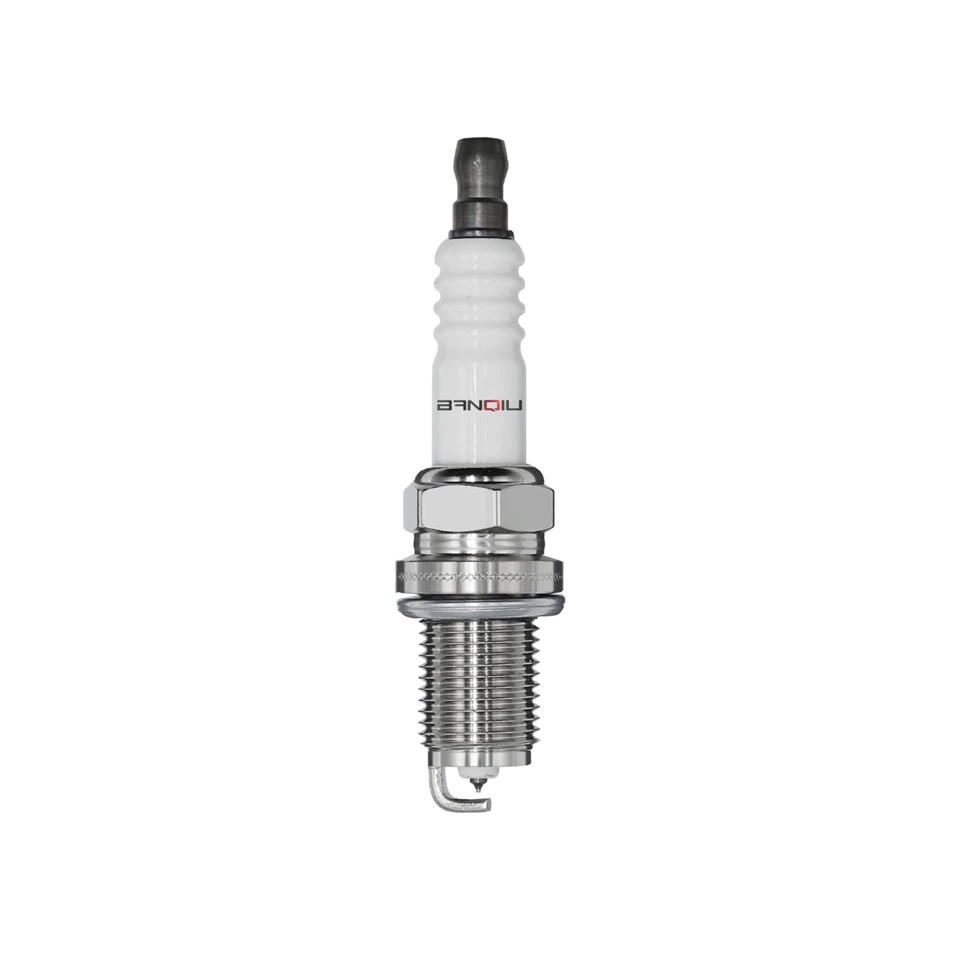

Precise Gap Setting
The spark plug gap is a critical factor that affects the ignition performance. The Carbon Track - T7 has a pre - set gap that is carefully calibrated during the manufacturing process. However, it's still recommended to double - check the gap before installation. Unlike some other spark plugs that may require frequent gap adjustments, the Carbon Track - T7 maintains its optimal gap more consistently, which simplifies the installation process.
Easier Threading
The threading on the Carbon Track - T7 is designed to be smoother and more precise. This makes it easier to thread the spark plug into the cylinder head by hand, reducing the risk of cross - threading. Cross - threading can cause serious damage to the cylinder head and the spark plug itself, so the improved threading design of the Carbon Track - T7 is a significant advantage during installation.
3. Comparison with Other Spark Plugs
Compared with Platinum Spark Plug PFR5J - 11 4642
The Platinum Spark Plug PFR5J - 11 4642 is a popular choice in the market. While it offers good performance, its installation may be more challenging in some aspects. For example, the platinum electrode on this spark plug is more brittle compared to the materials used in the Carbon Track - T7. During installation, extra care must be taken to avoid damaging the electrode. In contrast, the Carbon Track - T7's electrode is more robust, making it less prone to damage during the installation process.
Compared with Platinum Spark Plug BKR5EVX 2546
The Platinum Spark Plug BKR5EVX 2546 has a different design in terms of the insulator and electrode configuration. Its installation may require more precise alignment to ensure proper ignition. The Carbon Track - T7, on the other hand, has a more forgiving design when it comes to alignment. This means that even if the installation is not perfectly aligned, the Carbon Track - T7 can still provide reliable ignition performance.
Compared with Platinum Spark Plug PFR7H - 10 3978
The Platinum Spark Plug PFR7H - 10 3978 often requires more frequent gap adjustments. The gap can change more easily due to the wear and tear of the platinum electrode. In contrast, the Carbon Track - T7's advanced materials and design help it maintain a stable gap over a longer period, reducing the need for repeated gap checks during installation and use.
4. Tips for Installing Spark Plug Carbon Track - T7
- Clean the Cylinder Head: Before installing the Carbon Track - T7, make sure to clean the cylinder head thoroughly to remove any dirt, debris, or carbon deposits. This will ensure a good seal between the spark plug and the cylinder head.
- Use Anti - Seize Compound (Optional): Although the Carbon Track - T7 is designed to resist corrosion, using a small amount of anti - seize compound on the threads can make future removal easier. However, be careful not to get the compound on the electrode or insulator.
- Follow the Torque Specifications: Always follow the recommended torque specifications when tightening the Carbon Track - T7. Over - tightening can damage the spark plug or the cylinder head, while under - tightening can lead to poor ignition and potential engine problems.
5. Conclusion
In conclusion, there are indeed some differences in the installation between the Spark Plug Carbon Track - T7 and other spark plugs. The Carbon Track - T7 offers several advantages, such as easier threading, more stable gap settings, and greater electrode durability. These features make its installation process more straightforward and less error - prone.
If you're looking for a high - performance spark plug that is easy to install and provides reliable ignition, the Spark Plug Carbon Track - T7 is an excellent choice. Whether you're a professional mechanic or a DIY enthusiast, our product can meet your needs.
If you're interested in purchasing the Spark Plug Carbon Track - T7 or have any questions about its installation or compatibility, please feel free to contact us for a procurement discussion. We're committed to providing you with the best products and services.
References
- "Automotive Engine Technology" by Richard H. Parr
- "Spark Plug Handbook" by various industry experts