Hey there, car enthusiasts! As a long - time supplier of spark plugs for car engines, I've heard a ton of questions from car owners. One question that pops up quite often is, "Can a spark plug cause a car engine to have a hesitation during acceleration?" Well, let's dig into this topic and find out.


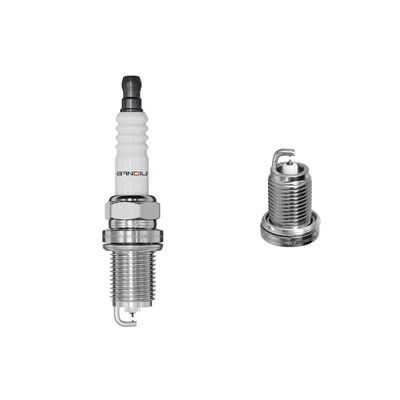
First off, let's understand what a spark plug does. In simple terms, a spark plug is like the heart of your car's ignition system. It creates the spark that ignites the air - fuel mixture in the engine's combustion chamber. When this mixture burns, it generates the power that makes your car move. So, it's a pretty crucial part of your vehicle.
Now, let's talk about engine hesitation during acceleration. You're cruising along, step on the gas pedal to pick up speed, and suddenly, there's a lag or a stutter in the engine's response. It can be a real bummer, not to mention a bit nerve - racking when you're trying to merge onto a busy highway.
So, can a spark plug be the culprit behind this hesitation? The answer is yes. Here's how.
Worn - Out Spark Plugs
Over time, spark plugs wear out. The electrodes on the spark plug get eroded due to the high - temperature and high - pressure environment in the combustion chamber. When the electrodes are worn, the spark they produce becomes weaker. A weak spark might not be strong enough to ignite the air - fuel mixture efficiently.
Think of it like trying to start a campfire. If you have a weak spark from your fire starter, it'll take a lot longer to get the fire going, and there might even be moments where it seems like it's not going to catch at all. Similarly, in your car engine, a weak spark can lead to incomplete combustion. This incomplete combustion means that not all of the air - fuel mixture is being burned, resulting in a loss of power and that annoying hesitation during acceleration.
For example, if you've been driving your car for a long time and haven't replaced the spark plugs, chances are they're worn out. A good rule of thumb is to replace your spark plugs every 30,000 to 100,000 miles, depending on the type of spark plug and your driving conditions.
Fouled Spark Plugs
Another way spark plugs can cause engine hesitation is if they get fouled. Fouling can happen for several reasons. One common cause is a problem with the fuel system. If your car has a rich fuel mixture (meaning there's too much fuel and not enough air), it can lead to carbon deposits building up on the spark plug.
These carbon deposits act as insulators and prevent the spark from jumping across the electrodes properly. It's like putting a piece of rubber between the wires in an electrical circuit. The electricity (or in this case, the spark) can't flow as it should.
Oil can also foul the spark plugs. If your engine has a problem with oil leaking into the combustion chamber, the oil will coat the spark plug. This oil film can interfere with the spark and cause misfires, which in turn lead to engine hesitation.
Incorrect Spark Plug Gap
The gap between the electrodes on a spark plug is crucial. If the gap is too wide, the spark has to travel a greater distance. This requires more voltage, and if the ignition system can't provide enough voltage, the spark might not occur at all or might be very weak.
On the other hand, if the gap is too narrow, the spark won't be strong enough to ignite the air - fuel mixture effectively. This incorrect gap can lead to inconsistent ignition and, you guessed it, engine hesitation during acceleration.
How to Fix the Problem?
If you suspect that your spark plugs are causing the acceleration hesitation, the first thing you should do is check them. You can remove the spark plugs from your engine (it's a relatively straightforward process if you're a bit handy with cars) and inspect them.
Look for signs of wear, such as eroded electrodes or excessive carbon deposits. If the spark plugs are worn or fouled, it's time to replace them. And that's where we come in!
As a spark plug supplier, we offer a wide range of high - quality spark plugs. For example, we have the Nickel Spark Plug B7HS', 'Quick 204', 'Q204 2792. These spark plugs are known for their durability and reliable performance. They can provide a strong spark, ensuring efficient combustion in your engine.
Another great option is the Nickel Spark Plug BR4HS 3322. It's designed to work well in a variety of engines and can help eliminate that pesky acceleration hesitation.
And if you're looking for something else, we also have the Nickel Spark Plug B7ES 1111. This spark plug is engineered to provide consistent ignition, which is essential for smooth acceleration.
Conclusion
In conclusion, spark plugs can definitely cause a car engine to have a hesitation during acceleration. Worn - out, fouled, or incorrectly gapped spark plugs can all lead to incomplete combustion and a loss of power. But the good news is that it's a relatively easy problem to fix. By replacing your spark plugs with high - quality ones from a reliable supplier, you can get your engine running smoothly again.
If you're experiencing engine hesitation and think it might be due to your spark plugs, don't hesitate to reach out to us. We're here to help you find the right spark plugs for your car and get you back on the road with a smooth - accelerating engine. Whether you're a DIY car enthusiast or a professional mechanic, we've got the products and expertise to meet your needs. So, let's start a conversation and see how we can solve your spark plug needs!
References
- Haynes Automotive Manuals
- Chilton's Auto Repair Manuals