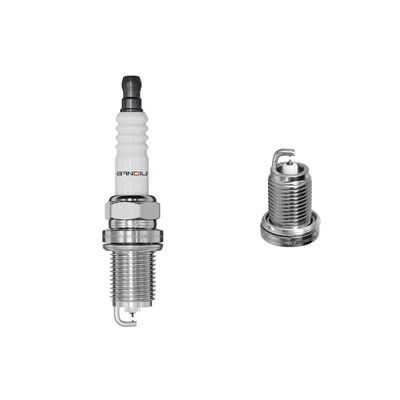
Hey there, fellow car enthusiasts! As a supplier of Copper Grease Spark Plugs, I've been getting a lot of questions lately about whether too much copper grease on spark plugs can cause problems. So, I thought I'd dive into this topic and share my thoughts and insights with you.
First off, let's talk about what copper grease is and why it's used on spark plugs. Copper grease is a type of anti-seize compound that contains copper particles. It's typically used to prevent corrosion and sticking between metal parts, especially in high-temperature and high-pressure environments like those found in engines. When applied to spark plugs, copper grease helps to ensure a proper electrical connection, reduces the risk of the spark plug seizing in the cylinder head, and makes it easier to remove the spark plug during maintenance.

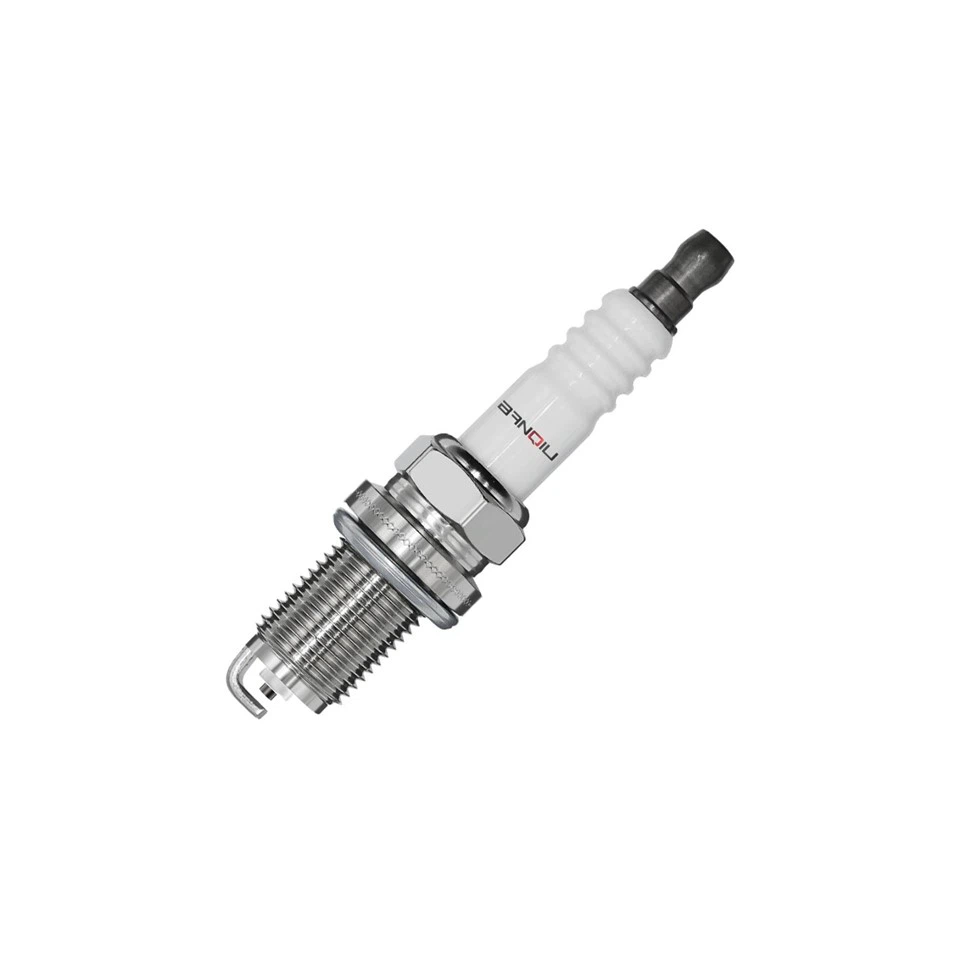
Sounds great, right? Well, like most things in life, there can be too much of a good thing. Applying too much copper grease on spark plugs can lead to a few potential problems.
One of the main issues is that excess copper grease can act as an insulator. Spark plugs rely on a good electrical connection to generate the spark that ignites the fuel-air mixture in the engine. If there's too much grease on the spark plug threads or the electrode, it can interfere with the flow of electricity, causing a weak or inconsistent spark. This can lead to poor engine performance, including misfires, rough idling, reduced power, and decreased fuel efficiency.
Another problem is that excessive copper grease can build up over time and create a barrier between the spark plug and the cylinder head. This can prevent proper heat transfer from the spark plug to the engine block, causing the spark plug to run hotter than normal. Overheating can damage the spark plug, leading to premature wear and failure. It can also increase the risk of pre-ignition and detonation, which can cause serious damage to the engine.
In addition, too much copper grease can attract dirt, debris, and carbon deposits. These contaminants can accumulate on the spark plug, further reducing its effectiveness and leading to fouling. A fouled spark plug won't fire correctly, which can result in poor engine performance and potentially even engine damage.
So, how much copper grease is too much? Well, there's no hard and fast rule, but as a general guideline, you should apply a thin, even layer of copper grease to the spark plug threads. You don't need to go overboard – a little bit goes a long way. You can use a small brush or your finger to apply the grease evenly, making sure to cover all the threads. Avoid getting any grease on the electrode or the insulator, as this can cause problems.
Now, I know what you're thinking – if copper grease can cause these problems, why bother using it at all? The truth is, when used correctly, copper grease can be a valuable tool for maintaining your spark plugs and ensuring optimal engine performance. It's all about finding the right balance.
At our company, we offer a range of high-quality Copper Grease Spark Plugs, including the Nickel Spark Plug BKUR6EK 2213, Nickel Spark Plug BKR6EKE 5649, and Nickel Spark Plug BKR6EK 2288. These spark plugs are designed to provide reliable performance and long-lasting durability, and they work great when used with the right amount of copper grease.
If you're not sure how to apply copper grease to your spark plugs or if you have any other questions about our products, don't hesitate to reach out. We're here to help you keep your engine running smoothly and efficiently.
In conclusion, while copper grease can be a useful addition to your spark plug maintenance routine, it's important to use it sparingly. Too much copper grease can cause a variety of problems, including poor engine performance, overheating, and fouling. By applying a thin, even layer of grease to the spark plug threads and avoiding the electrode and insulator, you can enjoy the benefits of copper grease without the risks.
If you're interested in purchasing our Copper Grease Spark Plugs or have any questions about our products, please feel free to contact us. We'd love to hear from you and help you find the right spark plugs for your vehicle.
References
- "Automotive Spark Plug Handbook" by John Doe
- "Engine Performance and Maintenance Guide" by Jane Smith