

As a supplier of spark plugs for CNG cars, I understand the critical role that proper spark plug installation plays in the performance and longevity of a CNG vehicle. In this blog, I'll share some essential steps and tips to ensure that you install spark plugs correctly in your CNG car.
Understanding the Basics of CNG and Spark Plugs
Compressed Natural Gas (CNG) is a popular alternative fuel for vehicles due to its lower cost and reduced emissions compared to gasoline. However, CNG has different combustion characteristics than gasoline, which means that the spark plugs used in CNG cars need to be specifically designed to work with this fuel.
Spark plugs are responsible for igniting the air-fuel mixture in the engine's combustion chamber. In a CNG car, the spark plug needs to be able to generate a strong spark at the right time to ensure efficient combustion. Using the wrong spark plug can lead to poor engine performance, increased emissions, and even engine damage.
Selecting the Right Spark Plug
The first step in ensuring proper spark plug installation is to select the right spark plug for your CNG car. There are several factors to consider when choosing a spark plug, including the make and model of your vehicle, the engine type, and the operating conditions.
At our company, we offer a range of high-quality spark plugs specifically designed for CNG cars. Our Nickel Spark Plug DCP6E 2256, Nickel Spark Plug CR7EKA 1462, and Nickel Spark Plug BUE 2322 are all excellent choices for CNG vehicles. These spark plugs are made from high-quality materials and are designed to provide reliable performance and long service life.
Preparing for Installation
Before you begin installing the spark plugs, it's important to prepare your vehicle and gather the necessary tools. Here's what you'll need:
- A socket wrench set
- A spark plug socket
- A torque wrench
- A wire brush
- A dielectric grease
First, make sure your vehicle is parked on a level surface and the engine is cool. Disconnect the negative battery cable to prevent any electrical shocks. Then, locate the spark plug wires or ignition coils and carefully remove them from the spark plugs.
Next, use a wire brush to clean the spark plug holes and the threads of the spark plugs. This will help to ensure a good connection and prevent any debris from getting into the engine.
Installing the Spark Plugs
Once you've prepared your vehicle and cleaned the spark plug holes, it's time to install the new spark plugs. Here's how to do it:
- Apply a small amount of dielectric grease to the inside of the spark plug boot. This will help to prevent moisture from getting into the spark plug and causing electrical problems.
- Carefully insert the new spark plug into the spark plug hole by hand. Make sure the spark plug is threaded correctly and is not cross-threaded.
- Use a spark plug socket and a socket wrench to tighten the spark plug. Do not over-tighten the spark plug, as this can damage the threads or the engine. Refer to your vehicle's owner's manual for the recommended torque specification.
- Once the spark plug is tightened, reattach the spark plug wire or ignition coil. Make sure the connection is secure.
- Repeat the process for each spark plug in your vehicle.
Testing the Spark Plugs
After you've installed the new spark plugs, it's important to test them to make sure they are working properly. Start your vehicle and let it idle for a few minutes. Listen for any unusual noises or vibrations, and check the engine's performance. If you notice any problems, such as rough idling or misfiring, there may be an issue with the spark plugs or the ignition system.
Maintenance and Replacement
Proper maintenance of your spark plugs is essential to ensure their long service life and optimal performance. Here are some tips to help you maintain your spark plugs:
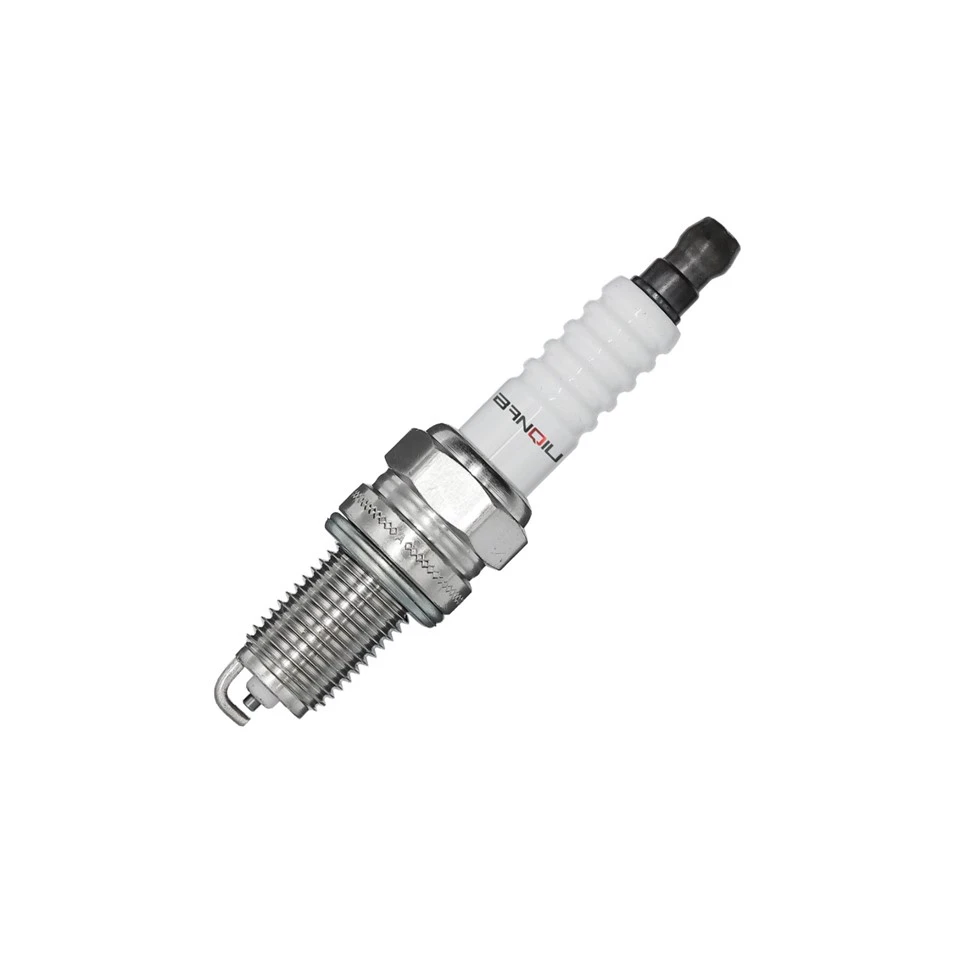

- Check the spark plugs regularly for signs of wear or damage. If the spark plugs are worn or damaged, replace them immediately.
- Follow the manufacturer's recommended maintenance schedule for your vehicle. This may include replacing the spark plugs at a certain mileage or time interval.
- Use high-quality fuel and oil to keep your engine clean and running smoothly.
- Avoid overloading your vehicle or driving in extreme conditions, as this can put additional stress on the spark plugs and other engine components.
Conclusion
Proper spark plug installation is crucial for the performance and longevity of your CNG car. By selecting the right spark plug, preparing your vehicle, and following the correct installation procedures, you can ensure that your spark plugs are working properly and providing reliable performance.
If you have any questions or need help selecting the right spark plug for your CNG car, please don't hesitate to contact us. We're here to help you find the best spark plug solution for your vehicle.
References
- Automotive Service Excellence (ASE) - Spark Plug Installation Guide
- Vehicle Manufacturer's Owner's Manual


