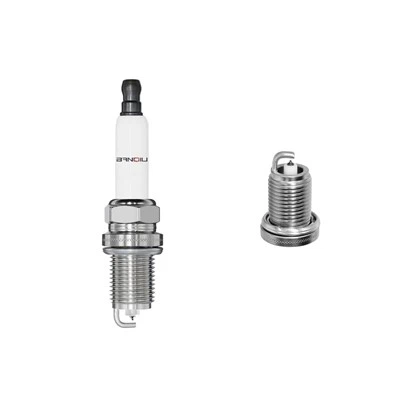
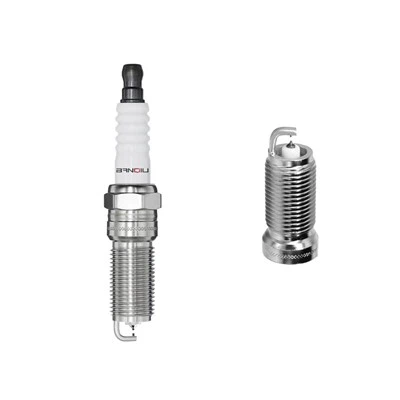
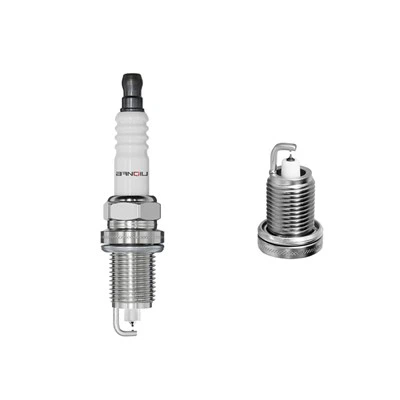
A rough idle in a vehicle can be a frustrating issue, often indicating underlying problems that need attention. One of the common culprits behind a rough idle is faulty spark plugs. As a spark plug supplier, I've encountered numerous customers dealing with this problem. In this blog, I'll share insights on how to fix a rough idle caused by spark plugs and introduce some of our high - quality products.
Understanding the Role of Spark Plugs
Before delving into the solutions, it's essential to understand what spark plugs do. Spark plugs are crucial components in an internal combustion engine. Their primary function is to ignite the air - fuel mixture in the combustion chamber. When the spark plug fires, it creates a spark that initiates the combustion process, which in turn powers the engine.
A properly functioning spark plug ensures smooth combustion, resulting in a stable idle and efficient engine performance. However, over time, spark plugs can wear out, become fouled, or develop other issues that disrupt the ignition process, leading to a rough idle.
Signs of Spark Plug Problems
Recognizing the signs of spark plug problems is the first step in fixing a rough idle. Here are some common symptoms:
- Rough Idle: The engine may shake or vibrate more than usual when the vehicle is stationary. This is often the most noticeable sign and can be felt through the steering wheel, seat, or floorboard.
- Poor Acceleration: If the spark plugs are not firing correctly, the engine may struggle to accelerate smoothly. You may experience a delay in response when you press the accelerator pedal.
- Misfiring: A misfire occurs when the air - fuel mixture in one or more cylinders fails to ignite properly. This can cause a loss of power, rough running, and even damage to the catalytic converter over time.
- Decreased Fuel Efficiency: Faulty spark plugs can lead to incomplete combustion, which means the engine has to work harder to produce the same amount of power. As a result, you may notice a decrease in fuel efficiency.
- Difficulty Starting the Engine: If the spark plugs are severely worn or fouled, the engine may have trouble starting. You may need to turn the key multiple times or hold the starter longer than usual to get the engine running.
Causes of Spark Plug Issues
Several factors can contribute to spark plug problems:
- Normal Wear and Tear: Over time, the electrodes on the spark plug can erode due to the high - temperature and high - voltage environment in the combustion chamber. This can cause the spark to weaken or become inconsistent, leading to ignition problems.
- Fouling: Spark plugs can become fouled with carbon, oil, or other deposits. Carbon fouling is often caused by a rich air - fuel mixture, while oil fouling can result from worn piston rings or valve seals.
- Incorrect Spark Plug Gap: The spark plug gap is the distance between the center electrode and the ground electrode. If the gap is too wide or too narrow, it can affect the spark quality and cause ignition problems.
- Overheating: Excessive heat can cause the spark plug electrodes to melt or warp, leading to a loss of spark. This can be caused by a variety of factors, such as a malfunctioning cooling system or a lean air - fuel mixture.
How to Fix a Rough Idle Caused by Spark Plugs
Once you've determined that the rough idle is caused by spark plug problems, here are the steps to fix it:


- Inspect the Spark Plugs: Start by removing the spark plugs from the engine. Use a spark plug socket and a ratchet to loosen and remove each plug. Inspect the plugs for signs of wear, fouling, or damage. Look for worn electrodes, carbon deposits, oil residue, or cracks in the ceramic insulator.
- Clean or Replace the Spark Plugs: Depending on the condition of the spark plugs, you may be able to clean them or you may need to replace them. If the plugs are only slightly fouled, you can clean them using a wire brush or a spark plug cleaner. However, if the plugs are severely worn or damaged, it's best to replace them.
- When replacing the spark plugs, it's important to choose the right type and size for your vehicle. Consult your vehicle's owner's manual or a trusted mechanic for the correct specifications.
- We offer a wide range of high - quality spark plugs, including the Nickel Spark Plug XR40 2990, Nickel Spark Plug BM6A, Quick 303, Q303 2680, and Nickel Spark Plug CR6HSA 2983. These spark plugs are designed to provide reliable ignition and long - lasting performance.
- Check and Adjust the Spark Plug Gap: Use a feeler gauge to check the spark plug gap. If the gap is incorrect, you can adjust it by carefully bending the ground electrode. Make sure to follow the manufacturer's specifications for the correct gap size.
- Reinstall the Spark Plugs: Once the spark plugs are clean or replaced and the gap is adjusted, reinstall them in the engine. Tighten the spark plugs to the recommended torque using a torque wrench. Over - tightening or under - tightening the spark plugs can cause problems, so it's important to get it right.
- Test the Engine: After reinstalling the spark plugs, start the engine and let it idle for a few minutes. Listen for any unusual noises or vibrations and check for a smooth idle. If the rough idle persists, there may be other issues that need to be addressed, such as a clogged fuel injector or a malfunctioning ignition coil.
Preventive Maintenance
To avoid spark plug problems and a rough idle in the future, it's important to follow a regular maintenance schedule. Here are some tips:
- Replace Spark Plugs at the Recommended Interval: Check your vehicle's owner's manual for the recommended spark plug replacement interval. Most vehicles require spark plug replacement every 30,000 to 100,000 miles, depending on the type of spark plugs and driving conditions.
- Use High - Quality Spark Plugs: Investing in high - quality spark plugs can make a big difference in the performance and longevity of your engine. Our Nickel Spark Plug XR40 2990, Nickel Spark Plug BM6A, Quick 303, Q303 2680, and Nickel Spark Plug CR6HSA 2983 are made from high - quality materials and are designed to meet or exceed OEM specifications.
- Keep the Engine Clean: Regularly changing the oil, air filter, and fuel filter can help prevent carbon deposits and other contaminants from fouling the spark plugs.
- Avoid Aggressive Driving: Aggressive driving, such as rapid acceleration and hard braking, can put additional stress on the engine and cause the spark plugs to wear out faster.
Contact Us for Spark Plug Procurement
If you're experiencing a rough idle or other spark plug problems, we're here to help. As a leading spark plug supplier, we offer a wide range of high - quality spark plugs to meet the needs of different vehicles and applications. Whether you're a professional mechanic or a DIY enthusiast, we can provide you with the right spark plugs and expert advice.
If you're interested in purchasing our spark plugs or have any questions, please feel free to contact us. We look forward to discussing your procurement needs and helping you find the best spark plug solutions for your vehicles.
References
- "Automotive Technology: A Systems Approach" by John J. Fitch and Thomas H. Day
- "Haynes Repair Manuals" for various vehicle makes and models
- Manufacturer's specifications and technical bulletins for spark plugs