

As a supplier of Copper Grease Spark Plugs, I often encounter customers asking how to determine if the copper grease on their spark plugs is still effective. In this blog, I'll share some insights and tips on this crucial topic.
The Role of Copper Grease on Spark Plugs
Copper grease plays several vital roles when applied to spark plugs. First of all, it acts as an anti - seize compound. When you install a spark plug into the engine's cylinder head, there's a metal - to - metal contact between the spark plug threads and the cylinder head threads. Over time, due to factors like high heat and engine vibrations, these metals can seize together. Copper grease prevents this seizure, making it easier to remove the spark plugs during maintenance or replacement.
Secondly, copper is an excellent conductor of heat. By applying copper grease, it helps in better heat transfer from the spark plug to the cylinder head. A well - cooled spark plug is less likely to experience overheating issues, which can lead to pre - ignition or other engine performance problems.
Visual Inspection
The first and easiest way to check if the copper grease on your spark plugs is still effective is through a visual inspection. To conduct this inspection, you'll need to remove the spark plugs from the engine. Make sure the engine is cool before you start to avoid any burns.
Once the spark plugs are out, look closely at the areas where the copper grease was applied, mainly the threads. If the copper grease still looks smooth, shiny, and hasn't dried out or become hardened, it's a good sign that it's still effective. Fresh copper grease has a somewhat wet and smooth consistency. However, if you notice that the grease has turned dry, cracked, or has a powdery texture, it may have lost its effectiveness.
Another visual clue is the presence of corrosion. If there are signs of rust or corrosion on the spark plug threads or in the cylinder head where the spark plug fits, it could be an indication that the copper grease is no longer providing the necessary protection. Corrosion can occur when the grease has broken down and is no longer able to create a barrier between the metals.
Performance Checks
Your vehicle's performance can also tell you a lot about the effectiveness of the copper grease on your spark plugs. If the copper grease is working well, the spark plugs should be functioning optimally, and your engine should run smoothly.
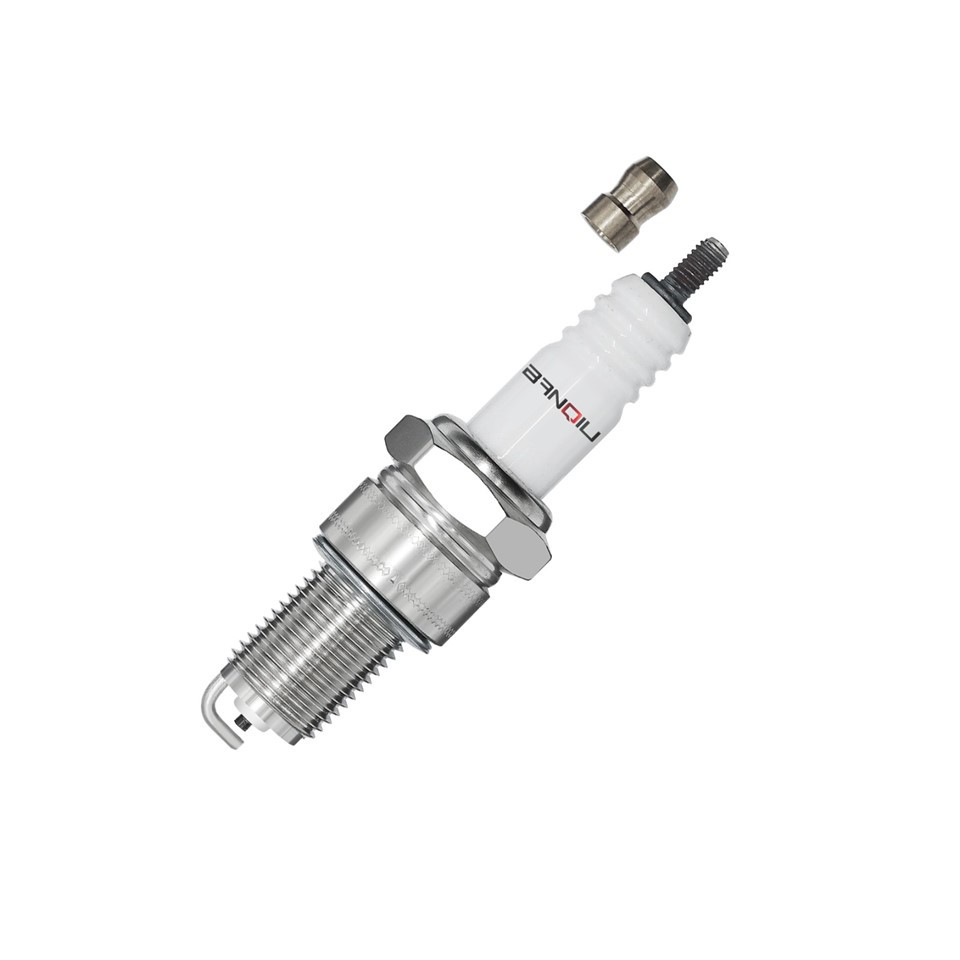
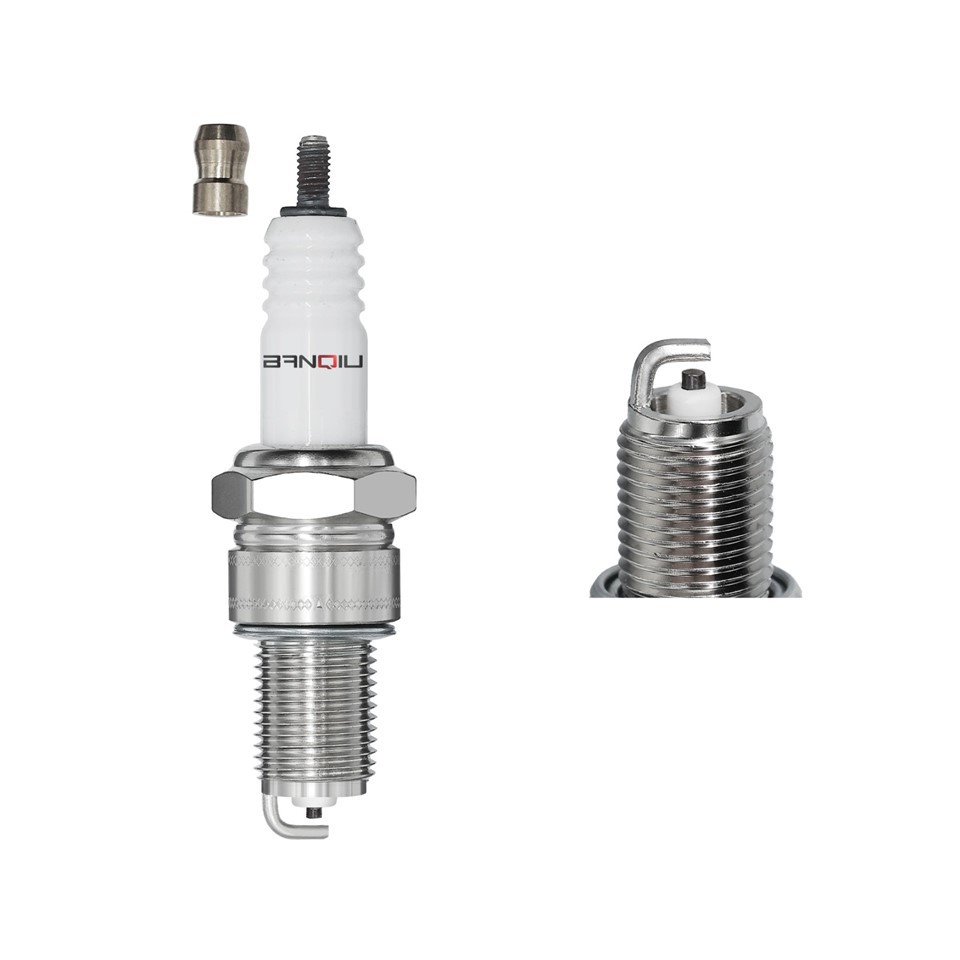
One way to gauge this is by paying attention to the engine's starting behavior. If it takes longer than usual for the engine to start, or if it has a rough start, it could be a sign that the spark plugs are not firing properly. This might be due to ineffective copper grease causing issues with the spark plug installation or heat transfer.
Another performance indicator is fuel efficiency. Ineffective copper grease can lead to overheating of the spark plugs, which can in turn cause poor combustion. This can result in reduced fuel efficiency, as the engine has to work harder to produce the same amount of power. Keep an eye on your fuel consumption; if you notice a significant drop in miles per gallon (MPG), it's worth checking the condition of the copper grease on your spark plugs.
Age and Mileage Considerations
The age and mileage of the vehicle can also give you an idea about the effectiveness of the copper grease. As a general rule of thumb, copper grease should be replaced every time you change the spark plugs. However, if you've had the same spark plugs in for a long time, the grease may have degraded over time.
For most vehicles, spark plugs are typically replaced every 30,000 - 100,000 miles, depending on the type of spark plugs and the vehicle's make and model. If your vehicle has reached or exceeded the recommended mileage for spark plug replacement, it's highly likely that the copper grease is no longer as effective as it once was.
Similarly, if the spark plugs have been in the engine for several years, even if the mileage is relatively low, the copper grease can break down due to exposure to high temperatures, engine chemicals, and environmental factors.
Compatibility with Spark Plug Types
It's important to note that different types of spark plugs may have different requirements when it comes to copper grease. For example, Nickel Spark Plug DCPR8E 4179, Nickel Spark Plug BPR5ES - 13 3154, and Nickel Spark Plug BPR5EY', 'V - Line 9', 'VL9 3153 all have their own unique features and may interact with copper grease in different ways.
Some high - performance spark plugs may have special coatings or materials that require a specific type of copper grease or may not need as much lubrication. Always refer to the manufacturer's guidelines regarding the use of copper grease on your specific spark plugs.
Replacing Ineffective Copper Grease
If you've determined that the copper grease on your spark plugs is no longer effective, it's time to replace it. The process is relatively straightforward. First, clean the spark plug threads thoroughly using a wire brush. Make sure to remove any old grease, dirt, or corrosion.
Next, apply a thin, even layer of fresh copper grease to the spark plug threads. Be careful not to over - apply, as too much grease can cause issues with the installation torque. Then, reinstall the spark plugs into the engine, following the manufacturer's recommended torque specifications.
Conclusion
Determining if the copper grease on your spark plugs is still effective is an important part of vehicle maintenance. By performing visual inspections, monitoring engine performance, considering the age and mileage of your vehicle, and ensuring compatibility with your spark plug type, you can keep your spark plugs and engine running smoothly.
If you're in the market for high - quality Copper Grease Spark Plugs or have any questions about the effectiveness of copper grease, don't hesitate to reach out. We're here to help you make the best decisions for your vehicle's performance. Contact us to discuss your needs and explore our wide range of products.
References
- Automotive Maintenance Manuals
- Spark Plug Manufacturer Guidelines


