How do performance spark plugs handle high - RPM operation?
As a supplier of performance spark plugs, I've witnessed firsthand the critical role these components play in an engine's performance, especially during high - RPM (Revolutions Per Minute) operation. High - RPM operation places unique demands on spark plugs, and performance spark plugs are engineered to meet and exceed these challenges.
Understanding High - RPM Demands
When an engine operates at high RPMs, the combustion process occurs much more rapidly. In a four - stroke engine, each piston goes through the intake, compression, power, and exhaust strokes in a fraction of a second. At high RPMs, the time available for the spark plug to ignite the air - fuel mixture becomes extremely limited. Additionally, the engine creates higher pressures and temperatures in the combustion chamber. These increased pressures require a stronger spark to initiate combustion effectively, and the higher temperatures can pose a threat to the longevity of the spark plug.
Design Features of Performance Spark Plugs
-
Electrode Materials
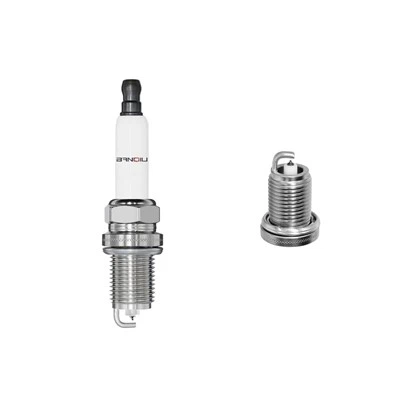
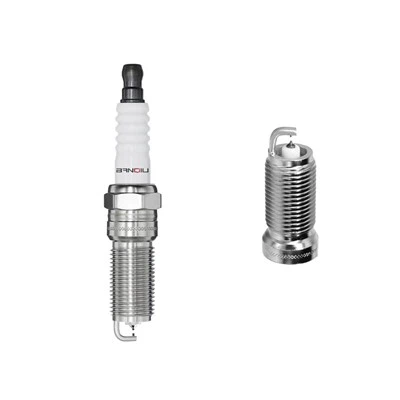
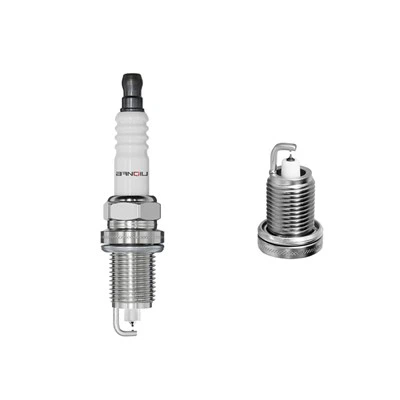
Performance spark plugs often use advanced electrode materials to improve their performance under high - RPM conditions. For instance, iridium and platinum are popular choices. Iridium is an extremely hard and corrosion - resistant metal. It can maintain a sharp edge on the electrode tip for a long time. This sharp edge allows for a more concentrated and intense spark, which is crucial when there is limited time for combustion at high RPMs.
Platinum, on the other hand, offers good conductivity and corrosion resistance. It reduces the wear on the electrodes, ensuring a consistent spark over a wide range of operating conditions. In comparison, traditional nickel spark plugs, such as the Nickel Spark Plug BKR7EKU 5881, Nickel Spark Plug R5184 - 105 3334, and Nickel Spark Plug BPR6ES - 11 4824, may not be as effective at high RPMs due to faster electrode wear and less intense sparks.

-
Electrode Design
The design of the electrodes in performance spark plugs is optimized for high - RPM operation. Many performance spark plugs feature a fine - wire center electrode. A fine - wire design reduces the amount of energy required to create a spark. This means that the ignition system can deliver the spark more efficiently, even when the engine is running at high RPMs.
Some performance spark plugs also have multiple ground electrodes. Multiple ground electrodes increase the probability of a successful spark and ignition. They provide multiple paths for the spark to jump, which can be beneficial when the air - fuel mixture is more turbulent at high RPMs. -
Heat Range
Selecting the right heat range is crucial for spark plugs operating at high RPMs. The heat range of a spark plug refers to its ability to dissipate heat from the firing end to the engine's cooling system. At high RPMs, the engine generates more heat in the combustion chamber. A spark plug with a proper heat range will prevent overheating, which can lead to pre - ignition and engine damage.
Performance spark plugs are often available in a wider range of heat ratings, allowing engine tuners to select the best option for their specific high - RPM application. A colder heat - range spark plug is typically used for high - performance engines that operate at high RPMs for extended periods. This type of spark plug can transfer heat away from the electrode more quickly, preventing the build - up of excessive heat.
Benefits of Performance Spark Plugs at High RPMs
- Improved Combustion Efficiency
The advanced design and materials of performance spark plugs result in more efficient combustion at high RPMs. A stronger and more consistent spark ignites the air - fuel mixture more completely, leading to better power output. This means that the engine can generate more horsepower and torque at high speeds, which is essential for racing and high - performance driving. - Reduced Misfires
Misfires are a common problem at high RPMs, especially in engines with traditional spark plugs. Misfires occur when the spark plug fails to ignite the air - fuel mixture properly. This can lead to a loss of power, increased fuel consumption, and higher emissions. Performance spark plugs are less likely to misfire due to their superior electrode materials and design. They can maintain a reliable spark even under the high - pressure and high - temperature conditions of high - RPM operation. - Longer Service Life
Although high - RPM operation is demanding on spark plugs, performance spark plugs are built to last. The use of durable electrode materials and optimized designs reduces wear and tear on the spark plugs. This means that they can maintain their performance over a longer period, even when subjected to the rigors of high - RPM driving.
Real - World Examples
In the world of motorsports, performance spark plugs are a must - have. Formula 1 teams, for example, rely on high - performance spark plugs to ensure optimal engine performance during races. The engines in Formula 1 cars can reach extremely high RPMs, often exceeding 15,000 RPM. At these speeds, the spark plugs need to be able to provide a consistent and powerful spark to ignite the air - fuel mixture in a matter of milliseconds.
In street performance applications, such as turbocharged or supercharged engines, performance spark plugs are also essential. These engines often operate at high RPMs to generate more power. Using a performance spark plug can improve the engine's responsiveness, throttle control, and overall performance, especially during high - speed acceleration.
Conclusion
Performance spark plugs are specifically designed to handle the challenges of high - RPM operation. Through advanced electrode materials, optimized electrode designs, and proper heat range selection, these spark plugs offer improved combustion efficiency, reduced misfires, and longer service life. Whether you're a professional racer or a car enthusiast looking to enhance your vehicle's performance, using performance spark plugs can make a significant difference in how your engine operates at high RPMs.
If you're interested in learning more about our performance spark plugs or are looking to make a purchase for your high - performance engine, we welcome you to reach out and engage in a procurement discussion. Our team of experts is ready to assist you in selecting the most suitable spark plugs for your specific needs.
References
- Heywood, J. B. (1988). Internal Combustion Engine Fundamentals. McGraw - Hill.
- Halderman, J. D. (2020). Automotive Ignition Systems. Cengage Learning.