

As a leading motorcycle spark plug supplier, I often receive queries from motorcycle enthusiasts and professionals alike about various spark plug-related issues. One of the most frequently asked questions is, "Can a wrong heat range spark plug damage my motorcycle engine?" In this blog post, I'll delve into this critical question, explain the role of spark plug heat range, explore the potential consequences of using the wrong heat range, and share tips on how to choose the right spark plug for your motorcycle.
Understanding Spark Plug Heat Range
Before we discuss the potential damage a wrong heat range spark plug can cause, it's essential to understand what spark plug heat range is and why it matters. The heat range of a spark plug refers to its ability to transfer heat from the tip of the plug to the engine's cylinder head. It is a measure of how quickly the spark plug can dissipate heat.
Spark plugs are classified into two main categories based on their heat range: hot plugs and cold plugs. A hot spark plug has a longer insulator nose, which means it retains heat in the ignition tip area for a longer time. This is beneficial in engines that operate at low speeds or under light loads, as it helps prevent fouling and ensures reliable ignition. On the other hand, a cold spark plug has a shorter insulator nose, which allows it to dissipate heat more quickly. Cold plugs are suitable for high-performance engines that generate a lot of heat, such as those in racing motorcycles or bikes that are pushed hard on the road.
The Consequences of Using the Wrong Heat Range
Using a spark plug with the wrong heat range can have several negative consequences for your motorcycle engine. Here's a breakdown of what can happen when you use a hot plug in a high-performance engine or a cold plug in a low-speed engine:
Using a Hot Plug in a High-Performance Engine
- Pre-ignition: One of the most significant risks of using a hot plug in a high-performance engine is pre-ignition. When the engine is running at high speeds or under heavy loads, it generates a lot of heat. A hot plug, which retains heat, can cause the air-fuel mixture in the combustion chamber to ignite prematurely. This can lead to a knocking sound, reduced engine power, and even engine damage over time.
- Melting of the Spark Plug: The excessive heat generated in a high-performance engine can cause the tip of a hot spark plug to melt. This not only affects the ignition process but can also release small metal particles into the combustion chamber, which can damage the engine's valves, pistons, and cylinders.
- Increased Fuel Consumption: Pre-ignition and inefficient combustion caused by a hot plug can lead to increased fuel consumption. Your motorcycle will burn more fuel to produce the same amount of power, resulting in lower fuel efficiency and higher running costs.
Using a Cold Plug in a Low-Speed Engine
- Fouling: A cold plug dissipates heat too quickly for a low-speed engine. As a result, the spark plug tip may not reach the optimal temperature for combustion, causing the fuel to burn incompletely. This can lead to carbon deposits forming on the plug, a condition known as fouling. Fouled spark plugs can misfire, causing rough idling, hesitation, and reduced engine performance.
- Hard Starting: When a cold plug is used in an engine that operates at low temperatures, it can make starting the motorcycle difficult. The cold plug may not be able to generate a strong enough spark to ignite the air-fuel mixture, especially in cold weather.
- Poor Acceleration: In addition to hard starting, a fouled cold plug can also affect the motorcycle's acceleration. The incomplete combustion and misfires can cause the engine to lose power, making it difficult to accelerate smoothly.
How to Choose the Right Spark Plug Heat Range
Choosing the right spark plug heat range for your motorcycle is crucial to ensure optimal engine performance and reliability. Here are some factors to consider when selecting a spark plug:
Motorcycle Manufacturer's Recommendations
The first and most important step in choosing a spark plug is to refer to your motorcycle manufacturer's recommendations. The manufacturer's specifications will provide you with the correct heat range and spark plug part number for your specific engine model. Following these recommendations will ensure that the spark plug is compatible with your engine and will perform as intended.
Riding Conditions
Your riding conditions also play a significant role in determining the appropriate spark plug heat range. If you mainly ride in stop-and-go traffic or at low speeds, a hot plug may be more suitable for your engine. On the other hand, if you frequently ride at high speeds, engage in aggressive acceleration, or participate in racing, a cold plug may be necessary to prevent pre-ignition and overheating.
Engine Modifications
If you have made any modifications to your motorcycle engine, such as installing a high-performance air intake, exhaust system, or engine tuning, you may need to adjust the spark plug heat range accordingly. Engine modifications can increase the engine's power output and heat generation, requiring a colder plug to handle the additional heat.
Our Range of Motorcycle Spark Plugs
At our company, we offer a wide range of high-quality motorcycle spark plugs to meet the needs of different engines and riding conditions. Our spark plugs are designed to provide reliable ignition, efficient combustion, and long-lasting performance. Here are some of our popular products:
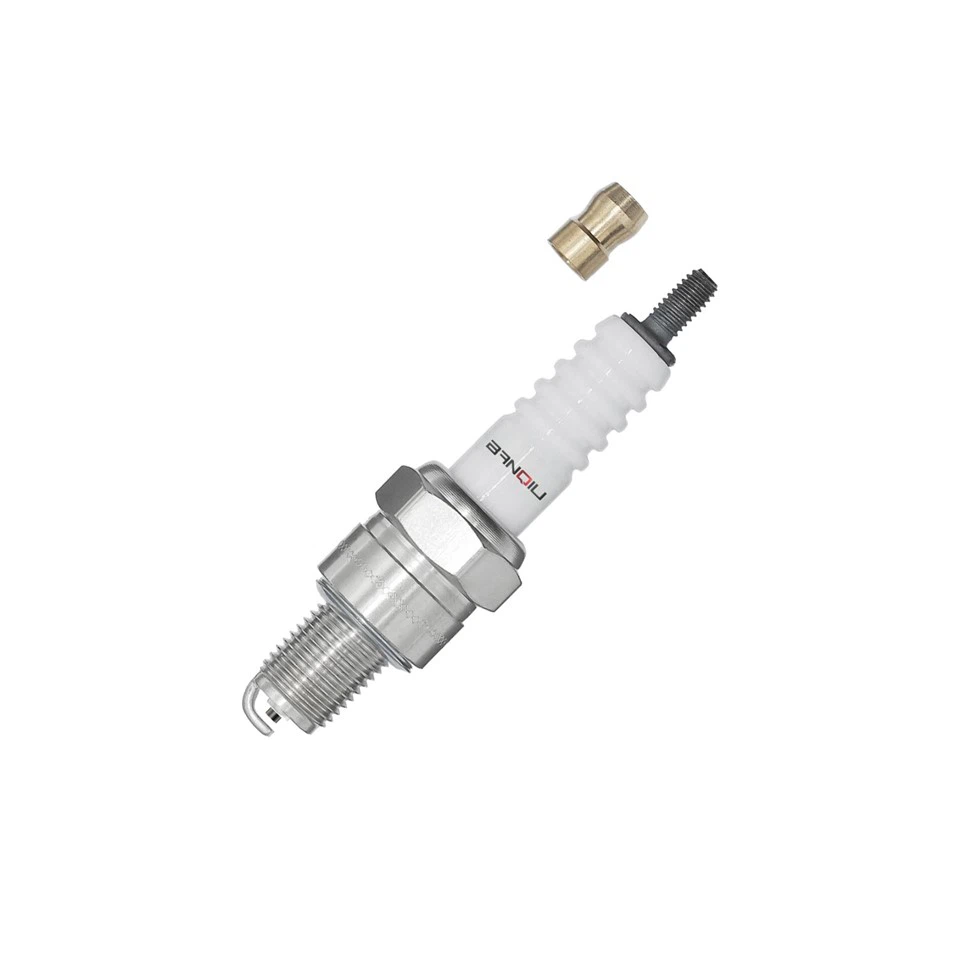
- Nickel Spark Plug BR6HS-10 1090: This spark plug is suitable for a variety of motorcycle engines and offers excellent performance and durability.
- Nickel Spark Plug CR8HS 7423: Ideal for high-performance engines, this spark plug has a cold heat range to prevent pre-ignition and overheating.
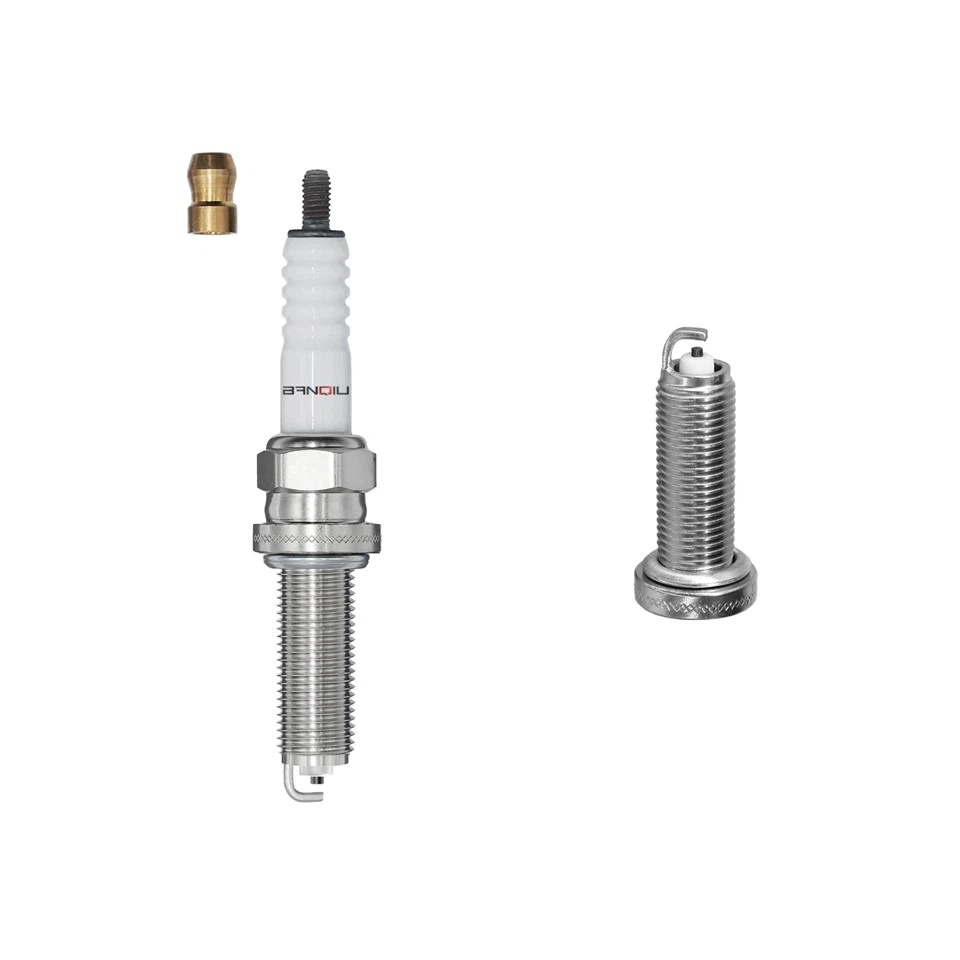
- Nickel Spark Plug LMAR8A-9S 6817: This spark plug is designed to provide a strong and consistent spark, ensuring reliable ignition and efficient combustion.
Conclusion
In conclusion, using a wrong heat range spark plug can definitely damage your motorcycle engine. Whether it's pre-ignition, fouling, or other issues, the consequences of using the wrong spark plug can be costly and time-consuming to repair. Therefore, it's essential to choose the right spark plug heat range for your motorcycle based on the manufacturer's recommendations, riding conditions, and any engine modifications you have made.
If you're unsure which spark plug is right for your motorcycle or have any questions about our products, please don't hesitate to contact us. Our team of experts is always ready to assist you in finding the perfect spark plug for your needs. We look forward to the opportunity to work with you and help you keep your motorcycle running smoothly.
References
- Society of Automotive Engineers (SAE). Spark Plug Heat Range Guidelines.
- Motorcycle Manufacturer Service Manuals.
- Guezennec, Y., & Heikkinen, O. (2005). Spark Ignition Engines Combustion: From Fundamental to Control. Wiley.


