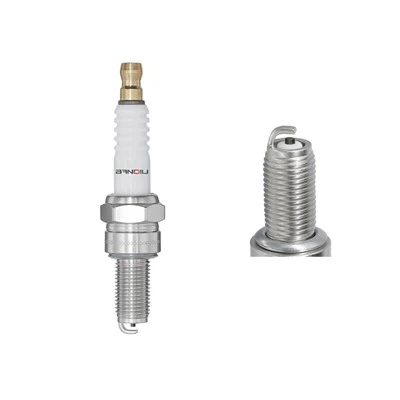
Motorcycles are a popular mode of transportation around the world, valued for their agility, fuel efficiency, and the thrill of the open road. One of the key components that significantly affects a motorcycle's performance and fuel consumption is the spark plug. As a leading motorcycle spark plug supplier, I've witnessed firsthand how the right spark plug can make a substantial difference in a motorcycle's operation. In this blog, I'll delve into the science behind how a motorcycle spark plug impacts fuel consumption.
The Basics of a Motorcycle Spark Plug
A spark plug is a small but crucial part of a motorcycle's ignition system. Its primary function is to create a spark that ignites the air - fuel mixture in the combustion chamber. This ignition is what powers the engine and ultimately propels the motorcycle forward.
The spark plug consists of several parts, including the center electrode, the ground electrode, and the insulator. The center electrode is where the high - voltage current enters the plug, and it jumps across a small gap to the ground electrode, creating a spark. The insulator separates the center electrode from the rest of the plug, preventing the electrical current from leaking.
How Spark Plugs Affect Combustion
The quality and performance of a spark plug directly influence the combustion process. A strong, consistent spark is necessary to ignite the air - fuel mixture efficiently. When the spark plug fires, it initiates a flame front that spreads through the combustion chamber, burning the fuel and releasing energy.
If the spark is weak or inconsistent, the combustion process may be incomplete. This means that not all of the fuel in the combustion chamber is burned, leading to wasted fuel. Incomplete combustion can also result in the production of harmful emissions, such as carbon monoxide and unburned hydrocarbons.
Heat Range and Fuel Consumption
One of the most important characteristics of a spark plug is its heat range. The heat range refers to the ability of the spark plug to dissipate heat. A spark plug with a high heat range can withstand higher temperatures without overheating, while a spark plug with a low heat range dissipates heat more quickly.
If a spark plug has a heat range that is too high for the motorcycle's engine, it can cause pre - ignition. Pre - ignition occurs when the air - fuel mixture ignites before the spark plug fires. This can lead to engine knocking, reduced power, and increased fuel consumption. On the other hand, if the heat range is too low, the spark plug may not reach the necessary temperature to burn off deposits, leading to fouling and poor ignition.
As a motorcycle spark plug supplier, we offer a wide range of spark plugs with different heat ranges to suit various motorcycle engines. For example, our Nickel Spark Plug CR6E 6965 is designed for engines that operate under normal conditions, while the Nickel Spark Plug CR9E 6263 is suitable for high - performance engines that generate more heat.
Electrode Material and Fuel Efficiency
The material used for the electrodes in a spark plug also plays a role in fuel consumption. Different electrode materials have different properties, such as conductivity, durability, and resistance to wear.
Nickel is a common material used for spark plug electrodes. It is relatively inexpensive and has good conductivity. However, nickel electrodes tend to wear out more quickly than other materials, which can lead to a decrease in spark quality over time. This can result in less efficient combustion and increased fuel consumption.
Platinum and iridium are two other materials commonly used for spark plug electrodes. Platinum and iridium electrodes are more durable and have better conductivity than nickel electrodes. They can maintain a consistent spark for a longer period, which leads to more efficient combustion and better fuel economy. Our Nickel Spark Plug CPR8EB - 9 6607 offers a reliable option for those looking for a cost - effective solution, while our platinum and iridium spark plugs provide long - lasting performance.
Gap Size and Fuel Consumption
The gap between the center electrode and the ground electrode is another factor that affects fuel consumption. The spark plug gap determines the strength and size of the spark. If the gap is too wide, the spark may not be strong enough to ignite the air - fuel mixture, leading to misfires and wasted fuel. If the gap is too narrow, the spark may be too small to burn the fuel efficiently.
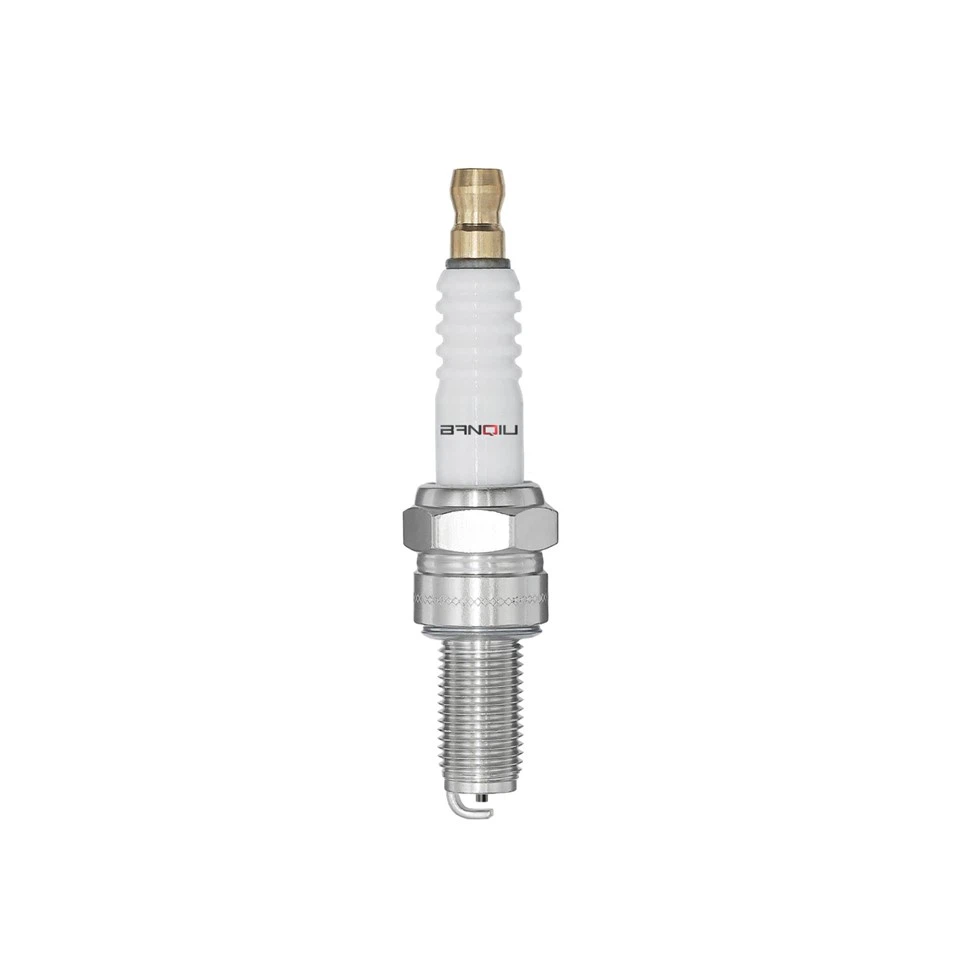

It's important to ensure that the spark plug gap is set correctly according to the motorcycle manufacturer's specifications. As a supplier, we provide detailed information on the recommended gap size for each of our spark plugs to help motorcycle owners optimize their engine performance and fuel efficiency.
The Impact of Spark Plug Condition on Fuel Consumption
Over time, spark plugs can become worn, fouled, or damaged. A worn spark plug may have eroded electrodes, which can reduce the strength of the spark. Fouling can occur when deposits build up on the electrodes, preventing the spark from forming properly. Damaged spark plugs may have cracks or other physical defects that can disrupt the electrical current.
When a spark plug is in poor condition, it can cause a variety of problems, including misfires, reduced power, and increased fuel consumption. Regularly inspecting and replacing spark plugs is essential to maintain optimal engine performance and fuel efficiency.
Maintaining Spark Plugs for Optimal Fuel Consumption
To ensure that your motorcycle's spark plugs are performing at their best, it's important to follow a regular maintenance schedule. This includes inspecting the spark plugs for signs of wear, fouling, or damage, and replacing them as needed.
Cleaning the spark plugs can also help to improve their performance. However, it's important to use the right cleaning methods and tools to avoid damaging the electrodes. Some spark plugs are designed to be self - cleaning, but others may require manual cleaning.
Conclusion
In conclusion, a motorcycle spark plug has a significant impact on fuel consumption. The heat range, electrode material, gap size, and overall condition of the spark plug all play a role in the efficiency of the combustion process. By choosing the right spark plug for your motorcycle and maintaining it properly, you can improve fuel economy, reduce emissions, and enhance the overall performance of your motorcycle.
As a motorcycle spark plug supplier, we are committed to providing high - quality spark plugs that meet the needs of motorcycle owners. Whether you're a casual rider or a professional racer, we have the right spark plug for your motorcycle. If you're interested in learning more about our products or would like to discuss your specific requirements, please feel free to contact us for a procurement discussion.
References
- SAE International. (20XX). Handbook of Spark - Ignition Engine Fundamentals.
- Heywood, J. B. (1988). Internal Combustion Engine Fundamentals. McGraw - Hill.
- Motorcycle Industry Council. (20XX). Motorcycle Maintenance Guide.