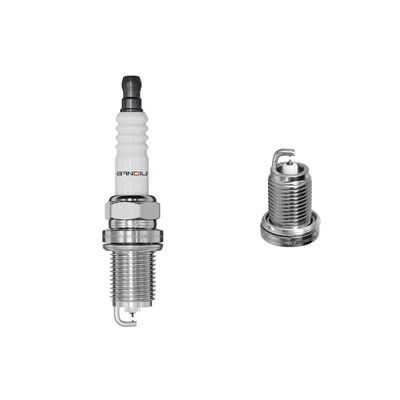
Motorcycle spark plugs are crucial components that significantly affect the performance and longevity of a motorcycle's engine. As a reliable Motorcycle Spark Plug supplier, we understand the importance of maintaining the long - term performance of these vital parts. In this blog, we'll explore various ways to ensure that motorcycle spark plugs continue to function optimally over an extended period.
Understanding the Basics of Motorcycle Spark Plugs
Before delving into maintenance and performance - enhancing strategies, it's essential to grasp the basics of how motorcycle spark plugs work. A spark plug generates a spark to ignite the air - fuel mixture in the engine's combustion chamber. This small but powerful ignition is what makes the engine run. The quality of the spark and its timely occurrence influence engine efficiency, power output, and fuel consumption.
We offer a wide range of high - quality spark plugs, such as the Nickel Spark Plug B8ES Q201 1015, Nickel Spark Plug CR6HS 7023, and Nickel Spark Plug CR9E 6263. Each of these models is designed to meet different engine requirements and riding conditions.
Selecting the Right Spark Plug
The first step in ensuring long - term performance is to choose the correct spark plug for your motorcycle. Every motorcycle engine has specific requirements in terms of heat rating, electrode gap, and thread size. Using an incorrect spark plug can lead to poor combustion, misfires, and reduced engine performance.
When selecting a spark plug, consider the following factors:
- Heat Rating: The heat rating indicates how well the spark plug can dissipate heat. A spark plug with a too - high heat rating may overheat, causing pre - ignition and engine damage. Conversely, a plug with a too - low heat rating may become fouled with carbon deposits. Our technical team can assist you in determining the appropriate heat rating for your motorcycle's engine.
- Electrode Gap: The electrode gap affects the strength of the spark. A wider gap generally produces a stronger spark but requires more voltage. It's crucial to set the electrode gap according to the manufacturer's specifications. Incorrect gap settings can result in misfires, reduced power, and increased fuel consumption.
- Thread Size and Reach: Make sure the spark plug has the correct thread size and reach for your motorcycle's engine. Using a plug with the wrong thread can damage the cylinder head and prevent a proper seal.
Maintenance and Inspection
Regular maintenance and inspection of spark plugs are essential for long - term performance. Here are some key maintenance tasks:
- Visual Inspection: Regularly inspect the spark plugs for signs of wear, damage, or fouling. A healthy spark plug will have a light - brown or tan deposit on the insulator tip, indicating proper combustion. Black, sooty deposits may indicate a rich fuel mixture, while a white, chalky appearance could suggest a lean mixture or overheating. If you notice any abnormal deposits, it's important to address the underlying issue, such as adjusting the carburetor or checking the air filter.
- Cleaning: In some cases, mild deposits can be removed by gently cleaning the spark plug with a wire brush or a specialized spark plug cleaner. However, be careful not to damage the electrodes or the insulator. If the spark plug is severely fouled or damaged, it's best to replace it.
- Gap Check and Adjustment: Periodically check the electrode gap using a feeler gauge. If the gap is not within the manufacturer's specifications, carefully adjust it by gently bending the ground electrode. Avoid using excessive force, as this can break the electrode or damage the insulator.
Proper Installation
Proper installation of spark plugs is crucial for their long - term performance. Here are some installation tips:
- Torque: Always tighten the spark plugs to the recommended torque specifications. Over - tightening can damage the threads in the cylinder head, while under - tightening can lead to poor heat transfer and misfires. Use a torque wrench to ensure accurate tightening.
- Anti - Seize Compound: Applying a small amount of anti - seize compound to the spark plug threads can prevent corrosion and make it easier to remove the plugs during future maintenance. However, be careful not to get the compound on the electrodes or the insulator.
- Insulation: Ensure that the spark plug wires are properly connected and insulated. Loose or damaged wires can cause electrical arcing, which can reduce the spark's strength and lead to misfires.
Riding Habits and Environmental Considerations
Your riding habits and the environment in which you ride can also impact the performance and lifespan of your spark plugs.


- Riding Style: Aggressive riding, such as frequent high - speed acceleration and hard braking, can put more stress on the spark plugs. Try to maintain a smooth riding style to reduce the strain on the engine and the spark plugs.
- Environmental Conditions: Riding in dusty or dirty environments can cause the spark plugs to become fouled more quickly. Make sure the air filter is clean and in good condition to prevent dirt and debris from entering the engine. Additionally, riding in cold weather can affect the spark plug's performance. In colder temperatures, the air - fuel mixture may not ignite as easily, so it's important to ensure that the spark plugs are in good working condition.
Fuel Quality
The quality of the fuel you use can have a significant impact on the performance of your spark plugs. Low - quality fuel may contain impurities and additives that can cause deposits to form on the spark plugs. These deposits can reduce the spark's strength and lead to misfires.
It's recommended to use high - quality fuel that meets the manufacturer's specifications. Additionally, using a fuel additive that is designed to clean the combustion chamber and the spark plugs can help prevent deposit formation and improve performance.
Storage and Handling
Proper storage and handling of spark plugs are also important for maintaining their performance. When storing spark plugs, keep them in a dry, clean place. Avoid exposing them to moisture, as this can cause corrosion. When handling spark plugs, be careful not to drop them or damage the electrodes and the insulator.
Conclusion
Ensuring the long - term performance of motorcycle spark plugs requires a combination of proper selection, regular maintenance, correct installation, and consideration of riding habits and environmental factors. As a leading Motorcycle Spark Plug supplier, we are committed to providing you with high - quality spark plugs and the technical support you need to keep your motorcycle running smoothly.
If you're interested in learning more about our products or would like to discuss your specific requirements, please feel free to contact us for a procurement negotiation. We look forward to serving you and helping you achieve optimal performance from your motorcycle's engine.
References
- Motorcycle Engine Maintenance Manuals
- Spark Plug Manufacturer's Technical Guides
- Automotive Engineering Journals on Combustion and Ignition Systems