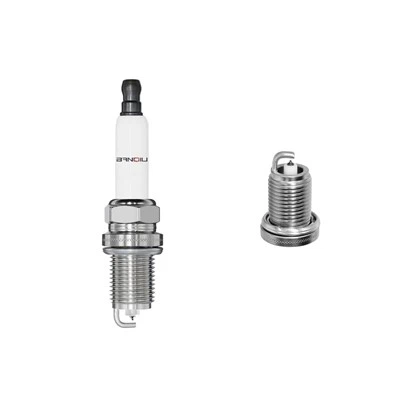
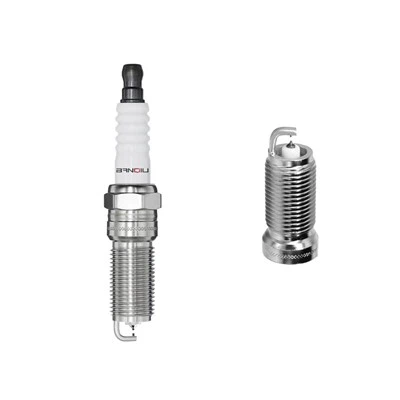
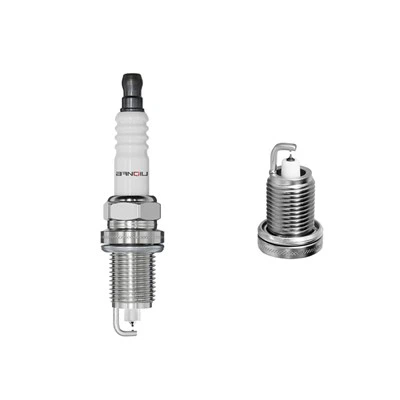
Altitude can have a significant impact on the performance of a generator spark plug. As a supplier of high - quality generator spark plugs, including the Nickel Spark Plug BCPR9ES - 11 1152, Nickel Spark Plug R6252E - 105 2396, and Nickel Spark Plug BUR5ET, V - Line 22, VL22 2470, understanding these impacts is crucial for providing the best products and advice to our customers.
1. The Basics of Generator Spark Plug Function
Before delving into the impact of altitude, it's important to understand how a generator spark plug functions. A spark plug is an essential component in a generator's engine. Its main role is to create an electrical spark at the proper time to ignite the air - fuel mixture in the combustion chamber. This combustion process generates the energy needed to power the generator.
The spark is produced when a high - voltage electrical current is sent through the spark plug's electrode, creating a conductive path for the current to jump across the gap between the center electrode and the ground electrode. A strong and well - timed spark ensures efficient combustion, leading to smooth operation, good power output, and lower fuel consumption of the generator.
2. Altitude and Air Density
One of the most significant changes related to altitude is the decrease in air density. As altitude increases, the air becomes thinner, which means there are fewer air molecules per unit volume. This decrease in air density has several implications for the generator and its spark plug.
Impact on the Air - Fuel Mixture
A generator's engine is designed to operate with a specific ratio of air to fuel, typically around 14.7:1 for gasoline engines in normal atmospheric conditions. When the air is thinner at higher altitudes, there are fewer oxygen molecules available for combustion. If the fuel delivery system is not adjusted, the air - fuel mixture will become too rich, meaning there is more fuel relative to the available oxygen. A rich mixture can be difficult to ignite, and even if it does ignite, the combustion will be incomplete.
Impact on Spark Ignition
The thinner air also affects the ability of the spark plug to create a spark. In normal conditions, the air between the spark plug electrodes acts as an insulator until the electrical charge is high enough to break down this insulation and create a spark. At higher altitudes, due to the lower air density, the breakdown voltage required to create a spark is lower. This might seem like a positive thing, but it can actually lead to premature sparking in some cases.
Moreover, the reduced number of air molecules in the combustion chamber can cause the spark to dissipate more quickly. A shorter - lived spark may not be able to fully ignite the rich air - fuel mixture, leading to misfires, rough running, and reduced power output of the generator.
3. Temperature Changes at Altitude
In addition to changes in air density, altitude also brings about temperature changes. Generally, as altitude increases, the temperature decreases. Cold air is denser than warm air, but at high altitudes, the overall air density is still lower even though the temperature is cold.
The lower temperature can affect the spark plug in multiple ways. Firstly, a colder engine environment can cause the spark plug to run cooler. If the spark plug is not properly rated for the colder temperatures, it may not be able to self - clean effectively. Deposits can build up on the electrodes, reducing the spark's intensity and the overall efficiency of the combustion process.
Secondly, cold temperatures can slow down the chemical reactions in the combustion process. Along with the issues caused by the rich air - fuel mixture at high altitudes, this can further exacerbate problems such as misfires and poor fuel economy.

4. Adjustments and Considerations for High - Altitude Operation
Spark Plug Heat Range
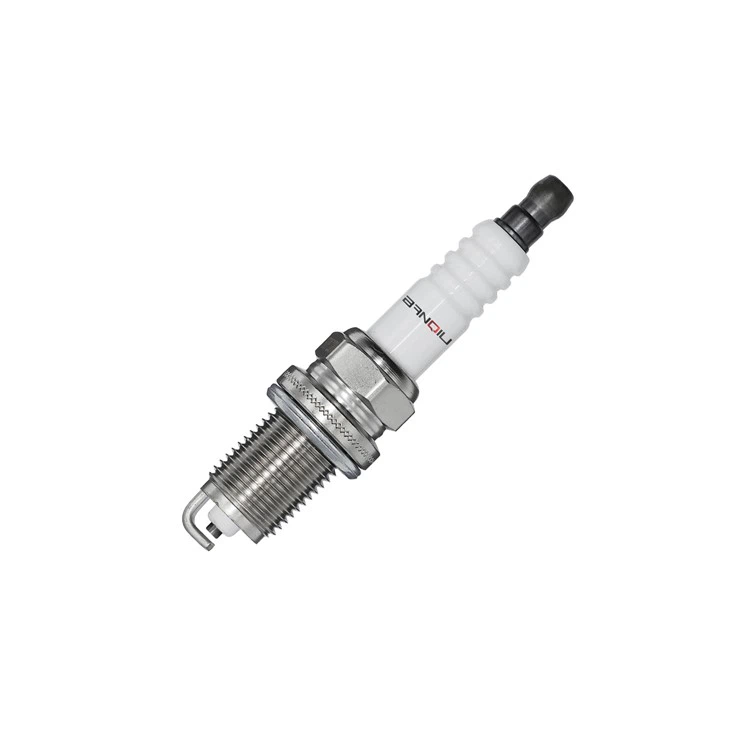
The heat range of a spark plug is a crucial factor for high - altitude operation. A spark plug with a lower heat range runs cooler, which is suitable for high - altitude environments where the engine runs colder. As a supplier, we can recommend spark plugs with the appropriate heat range for different altitudes. For example, if a generator is going to be used at high altitudes, a spark plug with a heat range that is one step lower than the recommended plug for sea - level operation may be more suitable.
Fuel System Adjustment
To compensate for the rich air - fuel mixture at high altitudes, the fuel system may need to be adjusted. This could involve reducing the fuel flow or increasing the airflow. Some modern generators have electronic fuel injection systems that can automatically adjust the air - fuel mixture based on altitude sensors. However, for older generators with carburetors, manual adjustments may be required. As a spark plug supplier, we can also provide general guidance on coordinating spark plug performance with fuel system adjustments.
Regular Maintenance
Operating a generator at high altitudes places additional stress on the spark plug. Regular maintenance is essential to ensure optimal performance. This includes checking the spark plug for deposits, wear, and proper gap. If the gap is too wide or too narrow, it can affect the spark's strength and the combustion process. Cleaning or replacing the spark plug at the recommended intervals will help keep the generator running smoothly.
5. Case Studies: Real - World Examples of Altitude Impact
To illustrate the effects of altitude on generator spark plugs, let's consider a few real - world scenarios.
A mining operation in the mountains at an altitude of 3000 meters was experiencing frequent generator breakdowns and poor power output. After inspecting the spark plugs, it was found that they were fouled with carbon deposits. The air - fuel mixture was too rich due to the high altitude, and the spark plugs were not hot enough to burn off the deposits. By switching to spark plugs with a lower heat range and adjusting the carburetor to reduce fuel flow, the generator's performance improved significantly.
Another example is a construction site at a high - altitude location. The generators were misfiring frequently, and the fuel consumption was high. After a detailed analysis, it was determined that the lower air density was causing premature sparking and incomplete combustion. Replacing the spark plugs with ones specifically designed for high - altitude operation and optimizing the timing of the ignition system solved the problem.
6. Conclusion and Call to Action
Altitude has a profound impact on the performance of generator spark plugs. Understanding these impacts is essential for ensuring the reliable operation of generators in different environments. As a leading supplier of generator spark plugs, we are committed to providing high - quality products and valuable expertise to our customers. Whether you are operating a generator at sea - level or in the mountains, we have the right spark plugs to meet your needs.
If you are facing challenges with your generator's performance at high altitudes or need more information about the best spark plugs for your specific application, we encourage you to reach out to us. Our team of experts is ready to assist you in selecting the most suitable spark plugs and offer advice on adjustments and maintenance. Contact us today to discuss your requirements and start a productive business relationship.
References
- "Internal Combustion Engine Fundamentals" by John B. Heywood
- "Small Engines: Repair, Maintenance, Troubleshooting" by Robert W. Carver
- Technical manuals from various generator manufacturers