

As a dedicated supplier of Generator Spark Plugs, I've witnessed firsthand the critical role these components play in the smooth operation of generators. One of the most common issues that can compromise the performance and lifespan of a spark plug is overheating. In this blog post, I'll share some valuable insights on how to prevent your Generator Spark Plug from overheating, ensuring optimal performance and longevity.
Understanding the Causes of Spark Plug Overheating
Before we delve into prevention strategies, it's essential to understand what causes a spark plug to overheat. Several factors can contribute to this problem, including:
- Incorrect Heat Range: Spark plugs are designed with specific heat ranges to match the engine's operating conditions. If you install a spark plug with a heat range that is too hot for your generator, it will not be able to dissipate heat effectively, leading to overheating.
- Lean Air-Fuel Mixture: A lean air-fuel mixture contains more air and less fuel than the ideal ratio. This can cause the combustion process to occur at a higher temperature, putting additional stress on the spark plug and leading to overheating.
- Carbon Deposits: Over time, carbon deposits can accumulate on the spark plug's electrodes and insulator. These deposits can act as an insulator, preventing the spark plug from dissipating heat properly and causing it to overheat.
- Ignition Timing Issues: Incorrect ignition timing can cause the spark to occur at the wrong time, leading to incomplete combustion and increased heat generation. This can put additional stress on the spark plug and cause it to overheat.
- Engine Overloading: Running your generator at or near its maximum capacity for extended periods can cause the engine to overheat, which in turn can cause the spark plug to overheat.
Choosing the Right Spark Plug
One of the most important steps in preventing spark plug overheating is choosing the right spark plug for your generator. When selecting a spark plug, consider the following factors:
- Heat Range: Make sure to choose a spark plug with a heat range that is appropriate for your generator's engine. The heat range is typically indicated by a number on the spark plug's packaging. A lower number indicates a hotter spark plug, while a higher number indicates a colder spark plug.
- Material: Spark plugs are available in a variety of materials, including copper, platinum, and iridium. Copper spark plugs are the most affordable option, but they also have the shortest lifespan. Platinum and iridium spark plugs are more expensive, but they offer better performance and a longer lifespan.
- Size: Make sure to choose a spark plug that is the correct size for your generator's engine. Using a spark plug that is too large or too small can cause problems with ignition and performance.
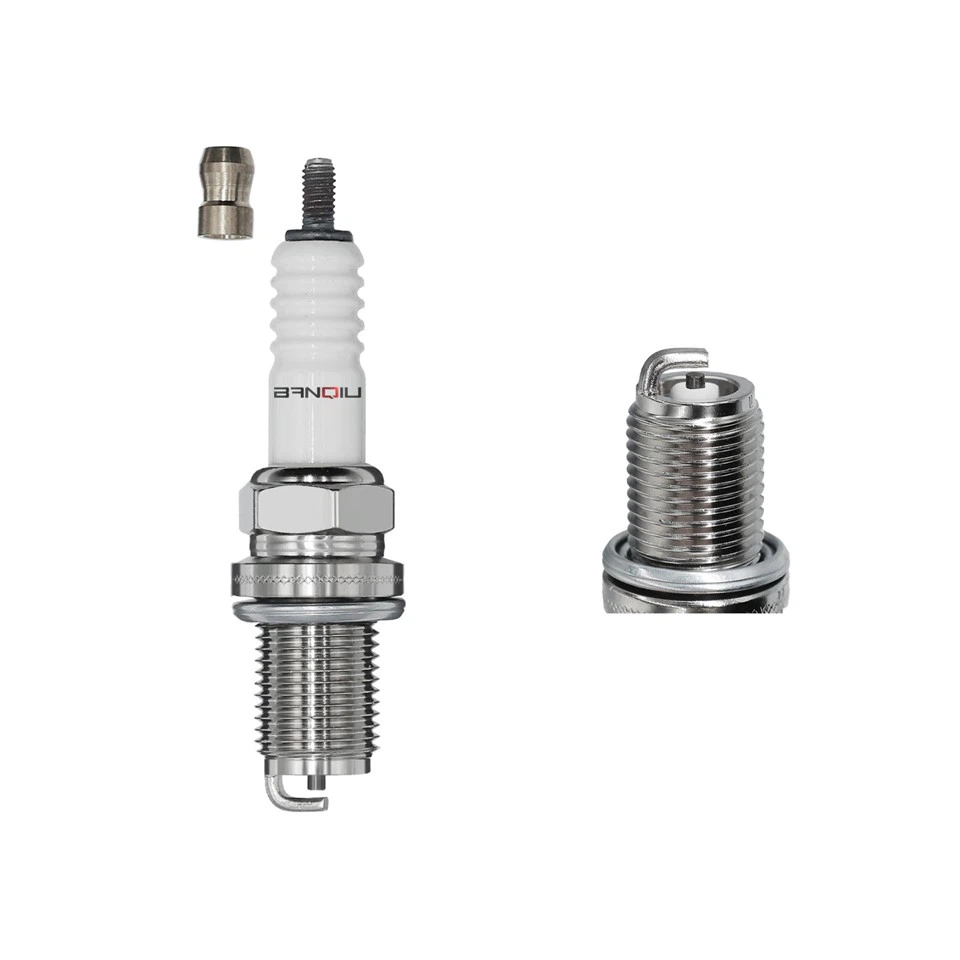
As a supplier, I recommend our Nickel Spark Plug BC6ES 3312, Nickel Spark Plug B9HCS 2721, and Nickel Spark Plug BCP6E-11 1080. These spark plugs are designed to provide reliable performance and are suitable for a wide range of generator applications.
Maintaining the Air-Fuel Mixture
Another important step in preventing spark plug overheating is maintaining the correct air-fuel mixture. Here are some tips to help you maintain the proper air-fuel mixture:

- Check the Air Filter: A dirty or clogged air filter can restrict the flow of air into the engine, causing a lean air-fuel mixture. Make sure to check the air filter regularly and replace it if it is dirty or clogged.
- Adjust the Carburetor: If your generator has a carburetor, make sure to adjust it properly to ensure the correct air-fuel mixture. Consult your generator's owner's manual for instructions on how to adjust the carburetor.
- Use High-Quality Fuel: Using high-quality fuel can help ensure a proper air-fuel mixture and prevent carbon deposits from forming on the spark plug. Avoid using old or contaminated fuel, as this can cause problems with combustion and performance.
Keeping the Spark Plug Clean
Regularly cleaning the spark plug can help prevent carbon deposits from forming and ensure proper heat dissipation. Here's how to clean a spark plug:
- Remove the Spark Plug: Use a spark plug socket to remove the spark plug from the engine.
- Inspect the Spark Plug: Check the spark plug for signs of damage or wear, such as cracked insulators or worn electrodes. If the spark plug is damaged, replace it with a new one.
- Clean the Spark Plug: Use a wire brush or a spark plug cleaner to remove any carbon deposits from the spark plug's electrodes and insulator. Be careful not to damage the electrodes or insulator while cleaning.
- Gap the Spark Plug: Use a spark plug gap tool to check and adjust the gap between the spark plug's electrodes. The correct gap size is typically specified in your generator's owner's manual.
- Reinstall the Spark Plug: Carefully reinstall the spark plug in the engine and tighten it to the recommended torque specification.
Checking the Ignition Timing
Incorrect ignition timing can cause the spark to occur at the wrong time, leading to incomplete combustion and increased heat generation. To ensure proper ignition timing, follow these steps:
- Consult the Owner's Manual: Your generator's owner's manual will provide instructions on how to check and adjust the ignition timing. Make sure to follow these instructions carefully.
- Use a Timing Light: A timing light is a tool that can be used to check the ignition timing. Connect the timing light to the spark plug wire and start the engine. The timing light will flash when the spark occurs, allowing you to check the ignition timing.
- Adjust the Ignition Timing: If the ignition timing is incorrect, you may need to adjust it. This typically involves loosening a bolt or screw and rotating the distributor or ignition module to the correct position. Make sure to tighten the bolt or screw securely after making the adjustment.
Avoiding Engine Overloading
Running your generator at or near its maximum capacity for extended periods can cause the engine to overheat, which in turn can cause the spark plug to overheat. To avoid engine overloading, follow these tips:
- Know Your Generator's Capacity: Make sure you know the maximum capacity of your generator and avoid exceeding it.
- Distribute the Load: If you need to run multiple appliances or devices, distribute the load evenly across the generator's outlets to avoid overloading the engine.
- Take Breaks: If you need to run your generator for an extended period, take breaks to allow the engine to cool down.
Conclusion
Preventing a Generator Spark Plug from overheating is essential for ensuring optimal performance and longevity. By choosing the right spark plug, maintaining the air-fuel mixture, keeping the spark plug clean, checking the ignition timing, and avoiding engine overloading, you can help prevent spark plug overheating and keep your generator running smoothly.
If you have any questions or need further assistance with choosing the right spark plug for your generator, please don't hesitate to contact us. We're here to help you find the best solution for your needs and ensure the reliable performance of your generator.
References
- Generator Owner's Manuals
- Automotive Spark Plug Manufacturer's Guides


