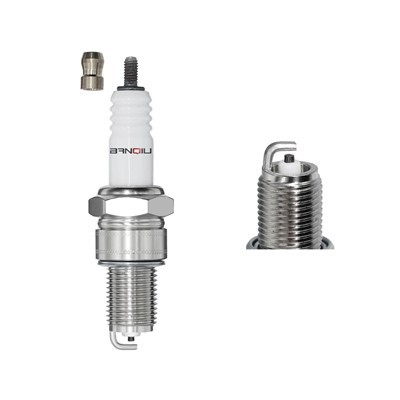
As a seasoned supplier of motorcycle spark plugs, I've witnessed firsthand the detrimental effects of fuel fouling on these critical components. Fuel fouling occurs when unburned fuel accumulates on the spark plug's electrodes, insulator, and other surfaces. This buildup can impede the spark plug's ability to generate a strong spark, leading to a host of problems such as misfires, reduced engine performance, and increased fuel consumption. In this blog post, I'll share some valuable insights on how to prevent fuel fouling on a motorcycle spark plug, ensuring optimal engine operation and longevity.
Understanding the Causes of Fuel Fouling
Before delving into prevention strategies, it's essential to understand the root causes of fuel fouling. Several factors can contribute to this issue, including:
- Rich Fuel Mixture: A rich fuel mixture contains more fuel than the engine can efficiently burn. This can occur due to a malfunctioning carburetor, fuel injector, or oxygen sensor. When the engine runs on a rich mixture, unburned fuel is deposited on the spark plug, leading to fouling.
- Cold Weather Operation: In cold weather, the engine takes longer to reach its optimal operating temperature. During this warm-up period, the fuel may not vaporize completely, resulting in unburned fuel reaching the spark plug.
- Engine Misfires: Misfires occur when the air-fuel mixture in the combustion chamber fails to ignite properly. This can be caused by a variety of factors, such as a faulty ignition system, worn spark plugs, or a clogged fuel injector. When a misfire occurs, unburned fuel is left in the combustion chamber and can foul the spark plug.
- Low-Quality Fuel: Using low-quality or contaminated fuel can also contribute to fuel fouling. Poor-quality fuel may contain impurities or additives that can leave deposits on the spark plug.
Prevention Strategies
Now that we understand the causes of fuel fouling, let's explore some effective prevention strategies:
- Maintain the Correct Fuel Mixture: Ensuring the engine runs on the correct fuel mixture is crucial for preventing fuel fouling. This can be achieved by regularly servicing the carburetor or fuel injection system, replacing worn or faulty components, and using a high-quality fuel. If you're unsure about the correct fuel mixture for your motorcycle, consult your owner's manual or a qualified mechanic.
- Warm Up the Engine Properly: In cold weather, it's important to allow the engine to warm up properly before riding. This helps the fuel vaporize more effectively and reduces the likelihood of unburned fuel reaching the spark plug. Avoid revving the engine excessively during the warm-up period, as this can cause unburned fuel to be forced into the exhaust system and onto the spark plug.
- Replace Spark Plugs Regularly: Spark plugs have a limited lifespan and should be replaced at the recommended intervals. Worn or fouled spark plugs can cause misfires and lead to fuel fouling. When replacing spark plugs, choose high-quality plugs that are compatible with your motorcycle's engine. Some of the high-quality spark plugs we offer include the Nickel Spark Plug CR9E 6263, Nickel Spark Plug BR6HS-10 1090, and Nickel Spark Plug B8ES Q201 1015. These spark plugs are designed to provide reliable performance and resist fouling.
- Use High-Quality Fuel: Using high-quality fuel is essential for preventing fuel fouling. Choose fuel that meets the manufacturer's specifications and avoid using low-quality or contaminated fuel. High-quality fuel contains fewer impurities and additives, reducing the likelihood of deposits forming on the spark plug.
- Check and Clean the Air Filter: A dirty or clogged air filter can restrict the flow of air into the engine, causing a rich fuel mixture and increasing the risk of fuel fouling. Regularly check and clean the air filter according to the manufacturer's recommendations. A clean air filter ensures proper air intake and helps maintain the correct fuel mixture.
- Inspect the Ignition System: The ignition system plays a crucial role in ensuring proper combustion. Regularly inspect the ignition system components, such as the spark plug wires, ignition coil, and distributor cap. Replace any worn or faulty components to prevent misfires and fuel fouling.
- Avoid Short Trips: Short trips can prevent the engine from reaching its optimal operating temperature, increasing the likelihood of fuel fouling. Whenever possible, take longer rides to allow the engine to warm up fully and burn off any unburned fuel.
Monitoring and Maintenance
In addition to the prevention strategies mentioned above, it's important to monitor the condition of your spark plugs regularly. Here are some tips for monitoring and maintaining your spark plugs:
- Visual Inspection: Periodically remove the spark plugs and inspect them for signs of fouling, wear, or damage. A healthy spark plug should have a clean, light brown or tan-colored insulator and electrodes. If you notice excessive carbon buildup, oil deposits, or other signs of fouling, it's time to replace the spark plug.
- Performance Monitoring: Pay attention to the performance of your motorcycle. If you experience rough idling, misfires, reduced power, or increased fuel consumption, it could be a sign of fuel fouling or other spark plug-related issues. Have your motorcycle inspected by a qualified mechanic if you notice any of these symptoms.
- Regular Maintenance: Follow the manufacturer's recommended maintenance schedule for your motorcycle. This includes regular oil changes, filter replacements, and tune-ups. Proper maintenance helps ensure the engine runs efficiently and reduces the risk of fuel fouling.
Conclusion
Preventing fuel fouling on a motorcycle spark plug is essential for maintaining optimal engine performance and longevity. By understanding the causes of fuel fouling and implementing the prevention strategies outlined in this blog post, you can keep your spark plugs clean and functioning properly. Remember to use high-quality spark plugs, maintain the correct fuel mixture, warm up the engine properly, and perform regular maintenance. If you have any questions or need further assistance with preventing fuel fouling or choosing the right spark plugs for your motorcycle, don't hesitate to contact us. We're here to help you keep your motorcycle running smoothly.


References
- Motorcycle Owner's Manual
- Automotive Repair Manuals
- Industry Publications on Motorcycle Maintenance