What are the reasons for oil leakage from an oil spark plug in a turbo car?
As a supplier of Oil Spark Plug Turbo, I've frequently encountered inquiries from customers regarding oil leakage in turbo cars' spark plugs. This issue can be both puzzling and concerning for car owners, as it may lead to engine performance degradation and potential long - term damage. In this blog, I'll delve into the various reasons that can cause oil to leak from an oil spark plug in a turbo car.
1. Worn Valve Seals
Valve seals play a crucial role in preventing oil from seeping into the combustion chamber. In a turbocharged engine, the pressure and temperature conditions are more extreme compared to naturally - aspirated engines. Over time, the valve seals can wear out due to the constant exposure to high - temperature exhaust gases and the elevated pressures generated by the turbocharger. When the valve seals are worn, oil can drip past them and onto the spark plugs.
For example, in older turbo cars that have clocked a significant number of miles, the valve seals may lose their elasticity and ability to properly contain the oil. This allows oil to enter the combustion chamber, where it can come into contact with the spark plugs, resulting in oil fouling. Regular engine inspections can help detect early signs of worn valve seals, such as increased oil consumption and blue - tinted exhaust smoke.
2. Cracked or Damaged Piston Rings
Piston rings are another vital component in an engine. Their main function is to create a seal between the piston and the cylinder wall, preventing oil from entering the combustion chamber and keeping the combustion gases from leaking into the crankcase. In a turbo car, the increased pressure and stress on the pistons and piston rings can cause them to crack or become damaged.
When the piston rings are not working as they should, oil can make its way past the pistons and into the combustion chamber. Once the oil reaches the spark plugs, it can cause oil leakage around the spark plug area. This problem can be exacerbated by aggressive driving styles, as the high - load conditions put additional strain on the piston rings. To address this issue, it may be necessary to replace the damaged piston rings, which is a labor - intensive but essential repair.


3. Blown Head Gasket
A blown head gasket is a serious problem that can occur in turbo cars. The head gasket seals the engine block and the cylinder head, preventing oil and coolant from mixing and also ensuring proper compression in the combustion chambers. In a turbocharged engine, the higher pressures and temperatures can put extra stress on the head gasket.
If the head gasket fails, oil can leak from the oil passages in the engine block and cylinder head onto the spark plugs. Symptoms of a blown head gasket include white smoke from the exhaust, coolant loss, and a milky - colored oil on the dipstick. Replacing a blown head gasket is a major repair, but it is necessary to prevent further engine damage.
4. Faulty PCV (Positive Crankcase Ventilation) System
The PCV system is responsible for removing harmful gases from the crankcase and recirculating them back into the intake manifold for combustion. In a turbo car, the PCV system has to work harder to deal with the increased pressure and volume of gases in the crankcase.
If the PCV valve becomes clogged or fails, the pressure in the crankcase can build up. This increased pressure can force oil past the seals and gaskets in the engine, including those around the spark plugs. Regular maintenance of the PCV system, such as checking and replacing the PCV valve at recommended intervals, can prevent this issue.
5. Incorrect Installation of Spark Plugs or Gaskets
Sometimes, the simplest explanations are the most accurate. If the spark plugs or their associated gaskets are not installed correctly, it can lead to oil leakage. When installing spark plugs, it is crucial to ensure that they are tightened to the correct torque specification. If they are over - tightened, the gasket can be damaged, allowing oil to seep out.
On the other hand, if they are under - tightened, there will not be a proper seal, and oil can escape. Additionally, using the wrong type of gasket or a damaged gasket during installation can also cause oil leakage. It's important to follow the manufacturer's guidelines when installing spark plugs and their gaskets.
Our Product Recommendations
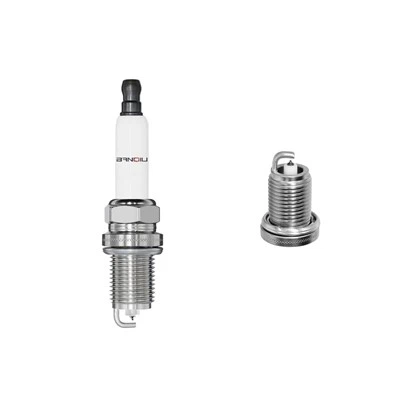
As an Oil Spark Plug Turbo supplier, we offer a range of high - quality spark plugs that are suitable for turbo cars. For example, the Iridium Spark Plug BR6FIX 2318 is designed to provide excellent ignition performance even in high - pressure turbocharged engines. Its iridium tip ensures a long - lasting and reliable spark, which can help improve engine efficiency and power.
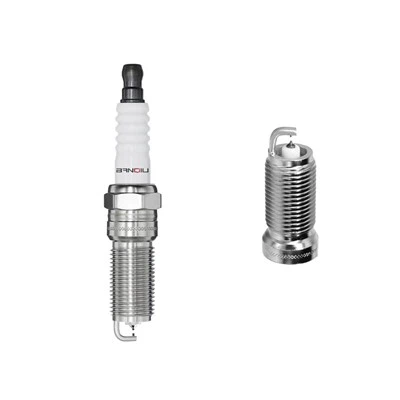
Another great option is the Iridium Spark Plug ZFR5FIX - 11 2477. This spark plug is engineered to withstand the extreme conditions in turbo cars, with enhanced durability and resistance to fouling. It can help maintain optimal engine performance and reduce the risk of issues related to oil - fouled spark plugs.
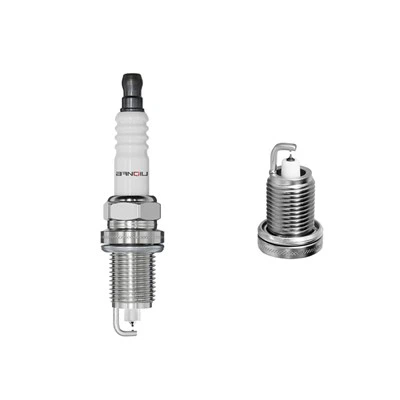
For turbo cars running on LPG, we recommend the Iridium Spark Plug LPG5', 'LPG Laser Line 5', 'LL5 1516. This spark plug is specifically designed for LPG - fueled engines and offers superior performance and reliability.
How to Contact Us
If you are experiencing oil leakage from the spark plugs in your turbo car or are interested in purchasing our high - quality spark plugs, we encourage you to reach out to us. Our team of experts can provide you with detailed information about our products, offer technical support, and assist you in finding the right spark plugs for your vehicle. Whether you are a car enthusiast, a mechanic, or an automotive business owner, we are here to meet your needs. Contact us today to start a discussion about your requirements and explore how our products can benefit your turbo car.
References
- Haynes, John. "Haynes Repair Manuals: Turbocharged Engines." Haynes Publishing, 2015.
- SAE International. "Automotive Engineering Handbook: Turbocharging Systems." SAE International, 2018.
- Chilton, Robert. "Chilton's Auto Repair Manuals: Troubleshooting Engine Problems." Chilton Books, 2016.