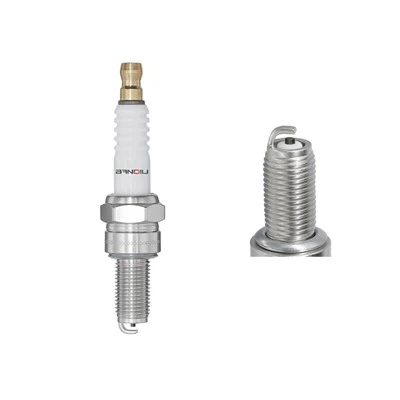
As a trusted supplier of Oil Spark Plug Turbo products, I've witnessed firsthand the importance of maintaining optimal engine performance. One common issue that turbocharged vehicle owners often encounter is carbon buildup on oil spark plugs. In this blog post, I'll delve into the signs of carbon buildup on an oil spark plug in a turbo vehicle and provide insights into how you can address this problem effectively.
Understanding Carbon Buildup on Oil Spark Plugs
Before we explore the signs of carbon buildup, it's essential to understand what causes it. In a turbocharged engine, the combustion process is more complex and intense compared to a naturally aspirated engine. The turbocharger forces more air into the combustion chamber, allowing for a higher compression ratio and more power. However, this also means that the engine operates at higher temperatures and pressures, which can lead to incomplete combustion.
When fuel doesn't burn completely, it leaves behind carbon deposits on various engine components, including the spark plugs. Over time, these carbon deposits can accumulate and interfere with the spark plug's ability to generate a strong spark, which can negatively impact engine performance and fuel efficiency.
Signs of Carbon Buildup on an Oil Spark Plug
1. Reduced Engine Performance
One of the most noticeable signs of carbon buildup on an oil spark plug is reduced engine performance. You may experience a decrease in power, acceleration, and overall responsiveness. The engine may feel sluggish and struggle to reach higher speeds. This is because the carbon deposits on the spark plug can prevent it from firing properly, leading to misfires and incomplete combustion.


2. Poor Fuel Efficiency
Carbon buildup on the spark plugs can also cause a decrease in fuel efficiency. When the spark plug doesn't fire correctly, the engine may burn more fuel than necessary to compensate for the lack of power. This can result in higher fuel consumption and more frequent trips to the gas station. If you notice a sudden drop in your vehicle's fuel economy, carbon buildup on the spark plugs could be the culprit.
3. Rough Idling
A rough or unstable idle is another common sign of carbon buildup on an oil spark plug. You may feel the engine vibrating or shaking more than usual when the vehicle is at a standstill. This is because the misfires caused by the carbon deposits can disrupt the smooth operation of the engine at idle. In severe cases, the engine may even stall while idling.
4. Difficulty Starting the Engine
Carbon buildup on the spark plugs can make it more difficult to start the engine. You may have to turn the key multiple times or hold the starter for longer periods before the engine fires up. This is because the carbon deposits can prevent the spark plug from generating a strong enough spark to ignite the fuel-air mixture in the combustion chamber.
5. Check Engine Light
In some cases, carbon buildup on the spark plugs can trigger the check engine light on your vehicle's dashboard. The engine control unit (ECU) monitors the performance of the engine and can detect misfires or other issues caused by the carbon deposits. When the ECU detects a problem, it will illuminate the check engine light to alert you that there is an issue with the engine.
How to Address Carbon Buildup on Oil Spark Plugs
If you suspect that your oil spark plugs have carbon buildup, there are several steps you can take to address the issue:
1. Inspect the Spark Plugs
The first step is to visually inspect the spark plugs. Remove the spark plugs from the engine and examine them for signs of carbon buildup. A healthy spark plug should have a clean, light-colored electrode. If the electrode is covered in black or dark brown carbon deposits, it's a clear sign of carbon buildup.
2. Clean the Spark Plugs
If the carbon buildup is not too severe, you may be able to clean the spark plugs. Use a wire brush or a spark plug cleaner to remove the carbon deposits from the electrode and the insulator. Be careful not to damage the electrode or the insulator while cleaning. Once the spark plugs are clean, reinstall them in the engine.
3. Replace the Spark Plugs
If the carbon buildup is severe or if the spark plugs are worn out, it's best to replace them. Using high-quality spark plugs can help prevent carbon buildup and ensure optimal engine performance. As a supplier, we offer a range of Iridium Platinum Spark Plugs that are designed to provide a strong and consistent spark, even in turbocharged engines. Our Iridium Platinum Spark Plug ILZKR7G7G 90219, Iridium Platinum Spark Plug ILMAR7A8 91375, and Iridium Platinum Spark Plug IFR5T-8N 3508 are all excellent choices for turbo vehicles.
4. Improve Fuel Quality
Using high-quality fuel can also help prevent carbon buildup on the spark plugs. Low-quality fuel may contain impurities and additives that can contribute to the formation of carbon deposits. Choose a fuel with a high octane rating and avoid using fuels that contain ethanol or other additives.
5. Maintain Proper Engine Tuning
Proper engine tuning is essential for preventing carbon buildup on the spark plugs. Make sure your vehicle's engine is properly tuned and that all the components are functioning correctly. A well-tuned engine will burn fuel more efficiently, reducing the likelihood of carbon buildup.
Contact Us for Your Oil Spark Plug Turbo Needs
If you're experiencing any of the signs of carbon buildup on your oil spark plugs or if you're looking for high-quality spark plugs for your turbo vehicle, we're here to help. As a leading supplier of Oil Spark Plug Turbo products, we offer a wide range of spark plugs that are designed to meet the needs of turbocharged engines. Our team of experts can help you choose the right spark plugs for your vehicle and provide you with the support and advice you need to keep your engine running smoothly.
Don't let carbon buildup on your oil spark plugs affect your engine's performance. Contact us today to learn more about our products and services and to start a conversation about your specific needs. We look forward to working with you to ensure the optimal performance of your turbo vehicle.
References
- Bosch Automotive Service Solutions. (n.d.). Spark Plug Maintenance. Retrieved from [Bosch Website]
- NGK Spark Plugs. (n.d.). Understanding Spark Plug Performance. Retrieved from [NGK Website]
- MotorTrend. (n.d.). How to Tell if Your Spark Plugs Need Changing. Retrieved from [MotorTrend Website]