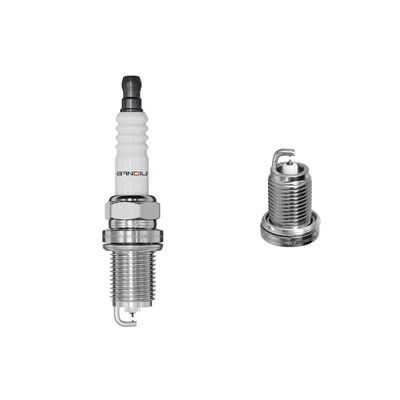
As a trusted supplier of Copper Grease Spark Plugs, ensuring the quality and longevity of our products is paramount. Copper grease plays a crucial role in the performance of spark plugs, preventing corrosion, improving conductivity, and aiding in easy removal. However, to maintain its quality, appropriate storage conditions are essential. In this blog, we will explore the optimal storage conditions for copper grease to ensure it retains its effectiveness for use with our spark plugs, such as the Nickel Spark Plug DR8ES-L 2923, Nickel Spark Plug B7HS-10 2129, and Nickel Spark Plug BP6ET 1263.
Temperature Considerations
Temperature is one of the most critical factors affecting the storage of copper grease. Extreme temperatures can lead to changes in the physical and chemical properties of the grease, rendering it less effective or even useless.
Cold Temperatures: When stored at very low temperatures, copper grease may become too thick or even solidify. This can make it difficult to apply to spark plugs and may also affect its ability to spread evenly. It is recommended to store copper grease at temperatures above 0°C (32°F). If the grease has been exposed to cold temperatures and has thickened, it can be gently warmed to room temperature before use. However, avoid heating the grease directly or using high - heat sources, as this can damage its composition.
Hot Temperatures: High temperatures can cause the copper grease to thin out and lose its consistency. This may result in the grease flowing out of the container or not providing the necessary lubrication and protection. Excessive heat can also accelerate oxidation in the grease, leading to the formation of hard particles and reducing its effectiveness. It is advisable to store copper grease in an environment where the temperature does not exceed 40°C (104°F).
Humidity and Moisture
Humidity and moisture can have a detrimental effect on copper grease. Water can cause rust and corrosion of the copper particles in the grease, which can then transfer to the spark plugs and potentially damage them. Additionally, moisture can lead to the growth of mold and bacteria in the grease, which is not only unhygienic but can also affect the grease's performance.
Storage in a Dry Environment: To prevent moisture from affecting the copper grease, it should be stored in a dry place. This could be in a sealed storage cabinet or a room with low humidity levels. Avoid storing the grease in areas prone to water leaks, such as basements or near windows. If the storage area has high humidity, consider using a dehumidifier to reduce the moisture content in the air.
Proper Sealing of Containers: Ensure that the copper grease containers are tightly sealed at all times. Most copper grease comes in tubes or jars with screw - top lids. Make sure the lids are tightened properly to prevent moisture from entering the container. If the original container has been damaged, transfer the grease to a new, air - tight container.
Exposure to Light and Air
Exposure to light and air can also impact the quality of copper grease over time.
Light: Prolonged exposure to sunlight or other bright light sources can cause the copper grease to degrade. Ultraviolet (UV) radiation in sunlight can break down the chemical bonds in the grease, altering its properties. To protect the grease from light, store it in a dark place, such as a closed cupboard or a storage box. If the containers are made of clear or translucent materials, consider covering them with an opaque cloth or storing them in a black plastic bag.
Air: Oxygen in the air can cause oxidation of the copper and other components in the grease. Oxidation can lead to the formation of a hard crust on the surface of the grease and reduce its lubricating and anti - corrosion properties. When using copper grease, try to minimize the amount of air that enters the container. After use, quickly seal the container to limit the grease's exposure to air.
Container Integrity
The integrity of the container in which the copper grease is stored is also important.
Avoiding Contamination: Any damage to the container can allow dirt, dust, or other contaminants to enter the grease. These contaminants can scratch the spark plugs during application and may also interfere with the grease's performance. Regularly check the containers for any signs of damage, such as cracks or dents. If a container is damaged, transfer the grease to a new, clean container immediately.
Compatibility with Grease: The container material should be compatible with the copper grease. Some plastics or metals may react with the grease, causing it to change its properties. Most copper grease containers are designed to be compatible with the product, but it is still important to use the original container whenever possible. If transferring the grease, make sure the new container is made of a suitable material.
Shelf Life and Expiration
Like all products, copper grease has a shelf life. The shelf life of copper grease can vary depending on the manufacturer and the storage conditions.


Checking Expiration Dates: Always check the expiration date on the container before using the copper grease. If the grease has expired, it may not provide the same level of protection and performance as fresh grease.
Monitoring Shelf Life in Storage: Even if the grease has not reached its expiration date, it is important to monitor its condition over time. If you notice any changes in the color, texture, or smell of the grease, it may be a sign that it has degraded and should not be used.
Impact of Poor Storage Conditions on Spark Plugs
Using copper grease that has been stored under poor conditions can have a negative impact on the performance of spark plugs.
Corrosion and Fouling: If the copper grease has been exposed to moisture or air, it may promote corrosion on the spark plug threads and electrodes. Corrosion can lead to poor electrical conductivity, which can cause misfires and reduced engine performance. Additionally, degraded grease can leave behind a residue that may foul the spark plugs, further affecting their operation.
Difficulty in Installation and Removal: Thickened or dried - out copper grease due to improper storage can make it difficult to install or remove spark plugs. This can lead to stripped threads or damage to the spark plug and the engine's cylinder head.
Conclusion
Maintaining the quality of copper grease through proper storage is essential for ensuring the optimal performance of our Copper Grease Spark Plugs, including products like the Nickel Spark Plug DR8ES-L 2923, Nickel Spark Plug B7HS-10 2129, and Nickel Spark Plug BP6ET 1263. By controlling temperature, humidity, light, and air exposure, and ensuring the integrity of the storage containers, you can extend the shelf life of the copper grease and protect your spark plugs from premature wear and damage.
If you are interested in purchasing our high - quality Copper Grease Spark Plugs or have any questions about our products and storage recommendations, we invite you to reach out for procurement discussions. We are committed to providing you with the best products and support to meet your needs.
References
- "Automotive Lubricants Handbook" by R. M. Mortier, S. T. Orszulik, and S. M. Taylor
- "Modern Automotive Technology" by James D. Halderman and Mitchell J. Martin