

Fuel fouling on a motorcycle spark plug is a common yet often misunderstood issue that can significantly impact the performance and reliability of your motorcycle. As a leading supplier of motorcycle spark plugs, we've seen firsthand the effects of fuel fouling and understand the importance of educating our customers on this critical topic.
Understanding Fuel Fouling
Fuel fouling occurs when unburned fuel accumulates on the spark plug's electrodes and insulator. This build - up can prevent the spark plug from generating a strong enough spark to ignite the air - fuel mixture in the combustion chamber properly. There are several factors that can contribute to fuel fouling.
One of the primary causes is a rich air - fuel mixture. When the ratio of fuel to air is too high, not all of the fuel can be burned during the combustion process. The excess fuel then coats the spark plug, leading to fouling. This can happen due to a malfunctioning carburetor or fuel injection system. For example, a stuck float in a carburetor can cause an over - supply of fuel, or a faulty fuel injector may deliver too much fuel into the combustion chamber.
Another factor is cold weather or short - distance riding. In cold conditions, the engine may not reach its optimal operating temperature, which can result in incomplete combustion. Short - distance rides also prevent the engine from warming up fully, leaving unburned fuel to accumulate on the spark plugs.
Signs of Fuel Fouling
Recognizing the signs of fuel fouling is crucial for maintaining your motorcycle's performance. One of the most obvious signs is hard starting. If your motorcycle is difficult to start, especially after sitting for a while, it could be due to a fouled spark plug. The lack of a strong spark makes it challenging to ignite the air - fuel mixture, leading to extended cranking times.
You may also notice a decrease in engine performance. A fouled spark plug can cause misfires, which result in a rough idle, hesitation during acceleration, and a loss of power. The engine may feel sluggish and not respond as quickly as it should when you twist the throttle.
In addition, fuel fouling can lead to increased fuel consumption. Since the engine is not burning the fuel efficiently, it has to work harder to produce the same amount of power, which means more fuel is being used. This not only costs you more at the pump but also has a negative impact on the environment.
How to Check for Fuel Fouling
Checking for fuel fouling is a relatively simple process. First, you'll need to remove the spark plug from the engine. Use a spark plug socket and a ratchet to carefully loosen and remove the plug. Once the plug is out, inspect it visually.
A fouled spark plug will typically have a wet, black, and sooty appearance. The electrodes may be coated with a thick layer of carbon deposits, and the insulator may also be discolored. If you see these signs, it's likely that the spark plug is fuel - fouled.
It's important to note that different types of fouling can have different appearances. For example, oil fouling will result in a brown or grayish - black coating that is sticky, while carbon fouling may appear as a dry, black powder. By being able to distinguish between different types of fouling, you can better diagnose the underlying problem.
Preventing Fuel Fouling
Preventing fuel fouling is key to keeping your motorcycle running smoothly. One of the most effective ways is to ensure that your motorcycle's fuel system is in good working condition. Regularly service your carburetor or fuel injection system to prevent issues such as clogged jets or faulty injectors.
Another important step is to use the correct grade of fuel. Using low - quality or contaminated fuel can increase the risk of fuel fouling. Always fill up your motorcycle with high - quality fuel from a reputable source.
Proper engine warm - up is also essential. Before taking off on a ride, let your motorcycle idle for a few minutes to allow the engine to reach its optimal operating temperature. This will help ensure more complete combustion and reduce the likelihood of fuel fouling.
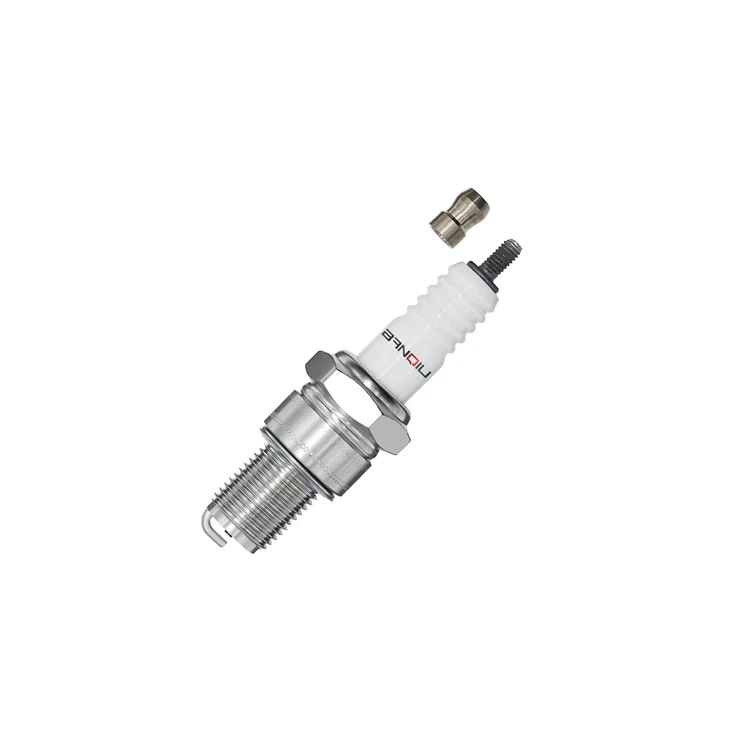

Our Motorcycle Spark Plugs and Fuel Fouling
At our company, we understand the importance of providing high - quality spark plugs that are resistant to fuel fouling. Our Nickel Spark Plug BR6HS - 10 1090 is designed with advanced technology to ensure reliable ignition and minimize the risk of fouling. The nickel alloy electrodes provide excellent conductivity and durability, allowing for a strong and consistent spark even in challenging conditions.
Our Nickel Spark Plug B8ES Q201 1015 is another great option. It is engineered to withstand a wide range of operating temperatures and is less prone to fouling compared to standard spark plugs. The optimized design of the insulator and electrodes helps to promote efficient combustion and reduce the build - up of unburned fuel.
Contact Us for Purchasing
If you're experiencing issues with fuel fouling or are looking for high - quality motorcycle spark plugs, we're here to help. Our team of experts can provide you with the right advice and products to meet your needs. Whether you're a professional mechanic or a motorcycle enthusiast, we have the spark plugs that will keep your engine running smoothly.
Don't let fuel fouling ruin your riding experience. Contact us today to discuss your requirements and start the purchasing process. We look forward to working with you to ensure your motorcycle performs at its best.
References
- "Motorcycle Maintenance Handbook" by the Motorcycle Mechanics Institute
- Various technical papers on internal combustion engines and spark plug performance from industry research institutions.


