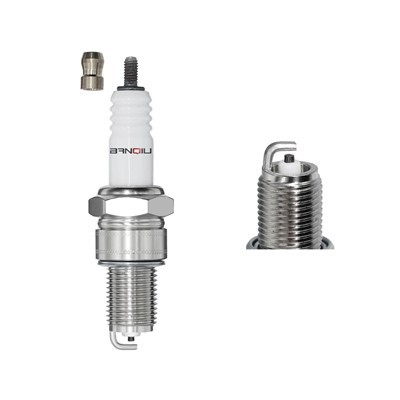
When it comes to maintaining a car engine, one of the crucial components that often gets overlooked is the spark plug. Spark plugs play a vital role in the ignition process, providing the spark necessary to ignite the air-fuel mixture in the engine's cylinders. Over time, however, spark plugs wear out and need to be replaced. But what is the average mileage for spark plug replacement in a car engine? In this blog post, we'll delve into this question and provide you with some insights based on our experience as a spark plug supplier.
Understanding Spark Plug Wear
Before we discuss the average mileage for spark plug replacement, it's important to understand how spark plugs wear out. Spark plugs are subjected to extreme conditions inside the engine, including high temperatures, pressure, and electrical arcing. Over time, these conditions cause the electrodes on the spark plug to erode, which can lead to a weaker spark and poor engine performance.
The rate at which spark plugs wear out depends on several factors, including the type of spark plug, the driving conditions, and the engine's design. For example, spark plugs made from nickel alloy tend to wear out faster than those made from platinum or iridium. Similarly, driving in stop-and-go traffic or under heavy loads can cause spark plugs to wear out more quickly than driving on the highway.
Average Mileage for Spark Plug Replacement
The average mileage for spark plug replacement can vary widely depending on the factors mentioned above. However, as a general rule of thumb, most car manufacturers recommend replacing spark plugs every 30,000 to 100,000 miles. Here's a breakdown of the average mileage for different types of spark plugs:
- Nickel Spark Plugs: These are the most common type of spark plugs and are typically found in older cars. Nickel spark plugs have a relatively short lifespan and usually need to be replaced every 30,000 to 45,000 miles. For example, our Nickel Spark Plug B8EFS 1049, Nickel Spark Plug BCPR6EP-N-11 4497, and Nickel Spark Plug BPR5E-11 5638 are designed to provide reliable performance for this mileage range.
- Platinum Spark Plugs: Platinum spark plugs are more durable than nickel spark plugs and can last up to 100,000 miles. They are often used in newer cars and offer better fuel efficiency and performance.
- Iridium Spark Plugs: Iridium spark plugs are the most durable type of spark plugs and can last up to 120,000 miles. They are also the most expensive but offer the best performance and fuel efficiency.
It's important to note that these are just general guidelines, and the actual mileage for spark plug replacement may vary depending on your specific vehicle and driving conditions. To determine the recommended mileage for spark plug replacement in your car, refer to your vehicle's owner's manual.
Signs That Your Spark Plugs Need to Be Replaced
In addition to following the recommended mileage for spark plug replacement, it's also important to be aware of the signs that your spark plugs may need to be replaced. Here are some common signs of worn-out spark plugs:
- Poor Engine Performance: If your engine is misfiring, hesitating, or running rough, it could be a sign that your spark plugs are worn out. A weak spark can cause the air-fuel mixture in the engine's cylinders to ignite unevenly, which can lead to poor engine performance.
- Decreased Fuel Efficiency: Worn-out spark plugs can also cause your car to use more fuel than usual. This is because a weak spark can cause the air-fuel mixture to burn inefficiently, which can lead to decreased fuel efficiency.
- Difficulty Starting the Engine: If you're having trouble starting your engine, it could be a sign that your spark plugs are worn out. A weak spark can make it difficult for the engine to ignite the air-fuel mixture, which can cause starting problems.
- Rough Idle: If your engine is idling rough or vibrating, it could be a sign that your spark plugs are worn out. A weak spark can cause the engine to run unevenly at idle, which can lead to a rough idle.
If you notice any of these signs, it's important to have your spark plugs checked by a professional mechanic. They can determine if your spark plugs need to be replaced and recommend the appropriate type of spark plugs for your vehicle.
Benefits of Replacing Spark Plugs
Replacing your spark plugs at the recommended mileage can provide several benefits, including:
- Improved Engine Performance: New spark plugs can provide a stronger spark, which can improve the engine's performance and responsiveness. This can result in smoother acceleration, better fuel efficiency, and reduced emissions.
- Increased Fuel Efficiency: A stronger spark can also cause the air-fuel mixture to burn more efficiently, which can lead to increased fuel efficiency. This can save you money on gas in the long run.
- Reduced Emissions: Worn-out spark plugs can cause the engine to produce more emissions than necessary. By replacing your spark plugs, you can help reduce your car's emissions and contribute to a cleaner environment.
- Longer Engine Life: Regularly replacing your spark plugs can help prevent damage to other engine components, such as the catalytic converter and oxygen sensors. This can help extend the life of your engine and save you money on costly repairs.
Choosing the Right Spark Plugs
When it comes to choosing the right spark plugs for your vehicle, there are several factors to consider, including the type of spark plug, the heat range, and the gap size. Here's a brief overview of these factors:


- Type of Spark Plug: As mentioned earlier, there are three main types of spark plugs: nickel, platinum, and iridium. The type of spark plug you choose will depend on your vehicle's make and model, as well as your driving habits and budget.
- Heat Range: The heat range of a spark plug refers to its ability to dissipate heat. A spark plug with a too high heat range can cause the engine to overheat, while a spark plug with a too low heat range can cause fouling. It's important to choose a spark plug with the correct heat range for your vehicle.
- Gap Size: The gap size of a spark plug refers to the distance between the center electrode and the ground electrode. The correct gap size is crucial for proper ignition and engine performance. It's important to choose a spark plug with the correct gap size for your vehicle.
As a spark plug supplier, we offer a wide range of spark plugs to meet the needs of different vehicles and driving conditions. Our team of experts can help you choose the right spark plugs for your vehicle and provide you with installation instructions and support.
Conclusion
In conclusion, the average mileage for spark plug replacement in a car engine can vary depending on several factors, including the type of spark plug, the driving conditions, and the engine's design. As a general rule of thumb, most car manufacturers recommend replacing spark plugs every 30,000 to 100,000 miles. However, it's important to be aware of the signs that your spark plugs may need to be replaced and to have them checked by a professional mechanic if you notice any problems.
Replacing your spark plugs at the recommended mileage can provide several benefits, including improved engine performance, increased fuel efficiency, reduced emissions, and longer engine life. By choosing the right spark plugs for your vehicle and having them installed correctly, you can ensure that your engine runs smoothly and efficiently for years to come.
If you're in the market for high-quality spark plugs, we invite you to explore our product range. Our spark plugs are designed to provide reliable performance and durability, and we offer competitive prices and excellent customer service. Whether you're a professional mechanic or a DIY enthusiast, we can help you find the right spark plugs for your vehicle. Contact us today to discuss your spark plug needs and start a procurement negotiation.
References
- "Spark Plug Maintenance and Replacement." AutoZone.
- "How Often Should You Replace Your Spark Plugs?" Car and Driver.
- "The Importance of Spark Plug Replacement." YourMechanic.