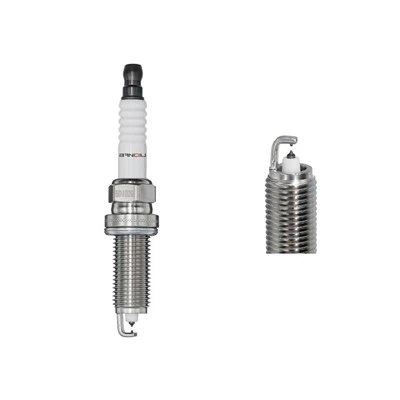
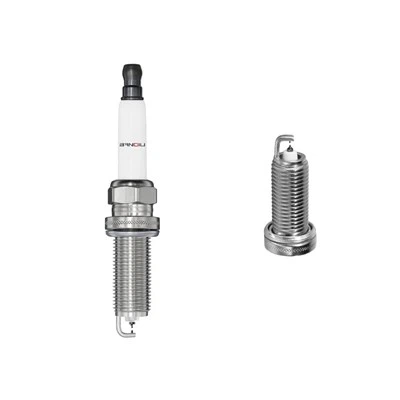
The combustion process within an internal combustion engine is a complex interplay of various factors, with spark plugs playing a pivotal role. As a leading supplier of Platinum Spark Plugs, I've witnessed the profound impact these components can have on engine performance, including their effect on exhaust gas temperature. In this blog, we'll delve into the science behind platinum spark plugs and how they influence the temperature of exhaust gases.
Understanding Platinum Spark Plugs
Platinum spark plugs are a significant advancement in ignition technology. The use of platinum, a precious metal known for its high melting point and excellent electrical conductivity, offers several advantages over traditional copper or nickel spark plugs. Platinum's durability allows for a longer service life, as it resists wear and erosion better than other materials. This means that platinum spark plugs can maintain a consistent spark over a more extended period, ensuring optimal combustion in the engine.
Combustion and Exhaust Gas Temperature
To understand the effect of platinum spark plugs on exhaust gas temperature, we first need to grasp the basics of the combustion process. When the spark plug fires, it ignites the air - fuel mixture in the combustion chamber. The rapid expansion of gases during combustion generates power that drives the engine's pistons. After combustion, the remaining gases are expelled through the exhaust system, and the temperature of these exhaust gases can vary depending on several factors.
Ideal combustion is characterized by a complete burn of the air - fuel mixture. When the mixture burns efficiently, more of the chemical energy in the fuel is converted into mechanical energy, and less heat is wasted in the exhaust. In contrast, incomplete combustion leads to unburned fuel being expelled with the exhaust gases, which can increase the exhaust gas temperature.
How Platinum Spark Plugs Affect Combustion
Platinum spark plugs contribute to more efficient combustion in several ways. Firstly, the fine platinum tip on the spark plug electrode allows for a more precise and intense spark. This concentrated spark can ignite the air - fuel mixture more effectively, leading to a more complete burn. As a result, less unburned fuel is present in the exhaust, which can help lower the exhaust gas temperature.
Secondly, the durability of platinum means that the spark plug's gap remains consistent over time. A consistent spark plug gap ensures that the spark occurs at the right moment and with the appropriate intensity. This precise ignition timing is crucial for efficient combustion, as it allows the air - fuel mixture to burn in a controlled manner. When combustion is well - controlled, the engine operates more smoothly, and the exhaust gas temperature is more stable.
Case Studies: Platinum Spark Plugs and Exhaust Gas Temperature
Let's take a look at some real - world examples of how platinum spark plugs can impact exhaust gas temperature. Consider a vehicle that was originally equipped with standard copper spark plugs. The exhaust gas temperature was measured at an average of 550°C under normal driving conditions. When the copper spark plugs were replaced with our Platinum Spark Plug BPR8EVX 5573, the exhaust gas temperature dropped to around 520°C. This reduction in temperature can be attributed to the more efficient combustion provided by the platinum spark plug.
Another case involved a high - performance engine. The engine was experiencing high exhaust gas temperatures, which were causing concerns about the durability of the exhaust system. After switching to Platinum Spark Plug BPR6EFS 3623, the exhaust gas temperature decreased by approximately 30°C. This improvement not only extended the lifespan of the exhaust components but also enhanced the overall performance of the engine.
Factors Influencing the Effect on Exhaust Gas Temperature
While platinum spark plugs generally tend to lower exhaust gas temperature, several factors can influence the extent of this effect. The type of engine, the air - fuel ratio, and the driving conditions all play a role.
In a high - compression engine, the combustion process is more intense, and the exhaust gas temperatures are typically higher. Platinum spark plugs can help manage these high temperatures by promoting more efficient combustion. However, if the air - fuel ratio is too rich (i.e., there is too much fuel relative to the amount of air), the exhaust gas temperature may still be elevated, even with platinum spark plugs.
Driving conditions also matter. Aggressive driving, such as rapid acceleration and high - speed driving, can increase the load on the engine and lead to higher exhaust gas temperatures. In these situations, platinum spark plugs can still contribute to more efficient combustion, but the overall exhaust gas temperature may remain relatively high compared to normal driving conditions.
Benefits of Lower Exhaust Gas Temperature
Lowering the exhaust gas temperature offers several benefits. Firstly, it reduces the stress on the exhaust system components, such as the catalytic converter and the exhaust manifold. These components are designed to operate within a certain temperature range, and excessive heat can cause them to degrade more quickly. By keeping the exhaust gas temperature in check, platinum spark plugs can help extend the lifespan of these critical components.
Secondly, lower exhaust gas temperatures can improve fuel efficiency. When the engine burns fuel more efficiently, less energy is wasted as heat in the exhaust. This means that more of the fuel's energy is converted into useful work, resulting in better mileage.
Conclusion
In conclusion, platinum spark plugs have a significant impact on exhaust gas temperature. Their ability to promote efficient combustion leads to a more complete burn of the air - fuel mixture, which in turn reduces the amount of unburned fuel in the exhaust and lowers the exhaust gas temperature. As a supplier of high - quality platinum spark plugs, we are committed to providing products that not only enhance engine performance but also contribute to a more sustainable and efficient driving experience.
If you're interested in learning more about our platinum spark plugs or are looking to place an order, we'd love to hear from you. Our team of experts is ready to assist you in finding the right spark plugs for your specific needs. Whether you're a car enthusiast, a mechanic, or a fleet manager, we have the solutions to meet your requirements. Contact us today to start a conversation about how our platinum spark plugs can benefit your engines.


References
- Heywood, J. B. (1988). Internal Combustion Engine Fundamentals. McGraw - Hill.
- Taylor, C. F. (1966). The Internal Combustion Engine in Theory and Practice. MIT Press.