

Yo, fellow car enthusiasts! As a supplier of spark plugs for CNG cars, I've seen firsthand how crucial these little components are for a smooth ride. Today, I wanna talk about something that might not be on everyone's radar but can have a huge impact on your CNG car's ignition: spark plug electrode wear.
Let's start with the basics. A spark plug is like the heart of your car's ignition system. It creates the spark that ignites the air-fuel mixture in the combustion chamber, making your engine run. In CNG cars, the ignition process is a bit different compared to gasoline-powered ones. CNG (compressed natural gas) has a higher octane rating and a different combustion characteristic, which means the spark plug has to work a bit harder to get the job done.
Now, let's get into electrode wear. Over time, the electrodes on your spark plug will start to wear down. This is a natural process that happens due to the high temperatures and electrical currents they're exposed to every time your engine runs. When the electrodes wear, the gap between them gets wider. And this is where things can start to go wrong.
One of the main impacts of electrode wear on CNG car ignition is a weaker spark. As the gap between the electrodes widens, it becomes harder for the electrical current to jump across and create a spark. This can lead to a misfire, where the air-fuel mixture in the combustion chamber doesn't ignite properly. You might notice your engine running rough, losing power, or even stalling. It can also cause your fuel efficiency to take a nosedive, as the engine has to work harder to compensate for the misfires.
Another issue is that a worn electrode can cause inconsistent ignition. In a CNG car, a consistent spark is crucial for efficient combustion. When the spark is weak or inconsistent, the CNG might not burn completely, leading to unburned fuel in the exhaust. This not only wastes fuel but can also cause damage to your catalytic converter over time.
So, how can you tell if your spark plugs are worn? Well, there are a few signs to look out for. If you notice your engine is running rough, has a loss of power, or is using more fuel than usual, it could be a sign of worn spark plugs. You might also see a decrease in acceleration or hear a knocking sound coming from the engine. And if your check engine light comes on, it's definitely worth getting your spark plugs checked.
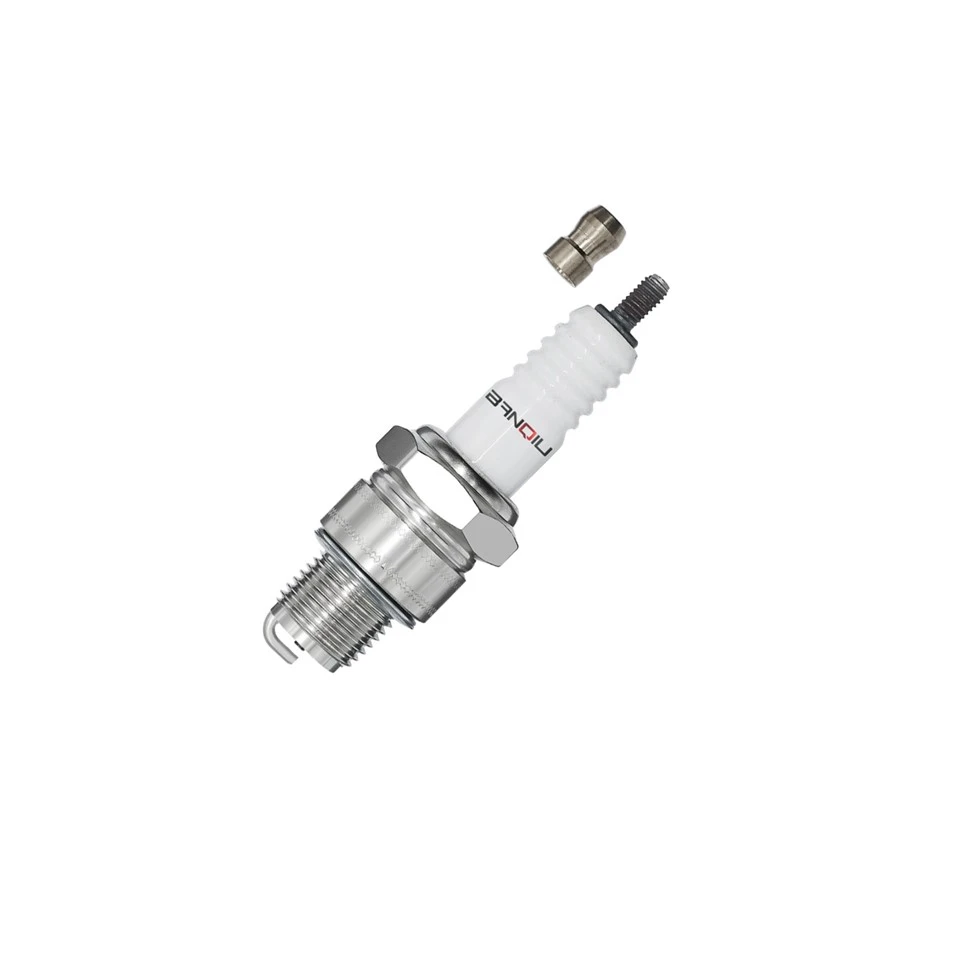
As a supplier of spark plugs for CNG cars, I've got a great selection of high-quality plugs to keep your engine running smoothly. For example, we've got the Nickel Spark Plug BR4HS 3322. This plug is designed to provide a strong and consistent spark, even in the demanding conditions of a CNG engine. It's made with high-quality materials that resist wear and tear, so you can count on it to last.
Another great option is the Nickel Spark Plug BR5ES-11 3724. This plug is engineered to optimize the ignition process in CNG cars, helping to improve fuel efficiency and performance. It's got a special design that reduces the risk of misfires and ensures a clean burn.
And if you're looking for something a bit more heavy-duty, check out the Nickel Spark Plug BKUR7EK 5201. This plug is built to handle the high temperatures and pressures of a CNG engine, making it a great choice for those who put their cars through a lot.
Regularly replacing your spark plugs is one of the best ways to prevent electrode wear and keep your CNG car running at its best. Most manufacturers recommend replacing spark plugs every 30,000 to 100,000 miles, but it's always a good idea to check your car's owner's manual for the specific recommendation.

In conclusion, spark plug electrode wear can have a significant impact on your CNG car's ignition. It can lead to weaker sparks, misfires, inconsistent ignition, and decreased fuel efficiency. But by keeping an eye on your spark plugs and replacing them when needed, you can avoid these issues and keep your engine running smoothly.
If you're in the market for high-quality spark plugs for your CNG car, don't hesitate to reach out. We're here to help you find the perfect plug for your needs and ensure your car is performing at its best. Whether you're a professional mechanic or a DIY enthusiast, we've got the expertise and products to get the job done right.
References
- Heywood, J. B. (1988). Internal Combustion Engine Fundamentals. McGraw-Hill.
- Taylor, C. F. (1985). The Internal Combustion Engine in Theory and Practice. MIT Press.


