In today's era, the automotive industry is not only a significant contributor to economic development but also a sector that has a profound impact on the environment. As a supplier of Automobile Repairment - 2033, I am well - aware of the crucial role environmental regulations play in our business operations. This blog will explore the environmental regulations that Automobile Repairment - 2033 needs to comply with.
Waste Management Regulations
One of the most significant environmental concerns in automobile repair is waste management. Automobile repair shops generate a variety of waste materials, such as used oil, batteries, tires, and metal scraps. These waste products can be hazardous to the environment if not properly managed.
Used oil is a major concern. It contains heavy metals and other contaminants that can pollute soil and water sources. In many regions, there are strict regulations regarding the collection, storage, and disposal of used oil. For instance, we are required to store used oil in approved containers that are labeled correctly. These containers must be kept in a secure area to prevent leaks and spills. When it comes to disposal, we can only send used oil to authorized recycling facilities. For example, in some states in the United States, it is illegal to dump used oil down the drain or in landfills.
Batteries are another hazardous waste item. Automotive batteries contain lead and sulfuric acid, which are extremely toxic. Regulations mandate that we must collect and store used batteries separately from other waste. We are also required to ensure that the batteries are transported to a licensed battery recycling facility. This helps to prevent lead from leaching into the soil and groundwater, which can have serious health implications for humans and wildlife.
Tires are a significant source of waste in the automotive repair industry. They can take up a large amount of space in landfills and are also a fire hazard. Many areas have regulations that encourage or require the recycling of tires. As a supplier of Automobile Repairment - 2033, we need to work with tire recycling companies to ensure that the used tires we collect are properly recycled. This may involve shredding the tires for use in road construction, or using them as fuel in certain industrial processes.
Air Quality Regulations
Automobile repair shops also need to comply with air quality regulations. The repair and maintenance of vehicles often involve the use of chemicals and solvents that can release volatile organic compounds (VOCs) into the air. VOCs can contribute to the formation of smog and have negative health effects on humans, such as respiratory problems and eye irritation.
Many regions have set limits on the amount of VOCs that can be emitted from automotive repair operations. For example, in California, the South Coast Air Quality Management District has strict regulations regarding the use of paints, primers, and other coatings in automobile repair. These regulations require the use of low - VOC or water - based products whenever possible. As a supplier of Automobile Repairment - 2033, we need to ensure that the products we provide to repair shops meet these air quality standards.
In addition, the operation of vehicles in the repair shop can also contribute to air pollution. Exhaust emissions from vehicles being tested or repaired need to be properly managed. Repair shops are often required to have exhaust extraction systems in place to capture and remove harmful pollutants from the air. These systems help to protect the health of workers in the shop as well as the surrounding environment.
Chemical Handling and Storage Regulations
Automobile repair involves the use of a wide range of chemicals, including cleaning agents, lubricants, and refrigerants. These chemicals can be hazardous if not handled and stored properly.
There are strict regulations regarding the labeling, storage, and handling of chemicals. All chemical containers must be labeled with the name of the chemical, its hazards, and the appropriate safety precautions. Chemicals need to be stored in a well - ventilated area that is separated from other materials. For example, flammable chemicals should be stored in a dedicated flammable storage cabinet.


Refrigerants used in automotive air conditioning systems are also subject to strict regulations. Many older refrigerants, such as chlorofluorocarbons (CFCs) and hydrochlorofluorocarbons (HCFCs), are known to be ozone - depleting substances. The Montreal Protocol and subsequent national regulations have phased out the use of these substances. As a supplier, we need to ensure that the refrigerants we offer are environmentally friendly alternatives, such as hydrofluorocarbons (HFCs) or natural refrigerants.
Energy Efficiency Regulations
In recent years, there has been an increasing focus on energy efficiency in the automotive repair industry. Repair shops are encouraged to adopt energy - efficient practices and equipment to reduce their energy consumption and carbon footprint.
Many regions offer incentives for repair shops to upgrade to energy - efficient lighting, heating, and ventilation systems. For example, some governments provide tax credits or rebates for the installation of LED lighting, which uses significantly less energy than traditional incandescent bulbs. As a supplier of Automobile Repairment - 2033, we can play a role in promoting energy - efficient products to our customers.
We can offer energy - efficient diagnostic equipment and power tools that consume less electricity. These products not only help repair shops save on energy costs but also contribute to a more sustainable environment.
Product - Related Regulations
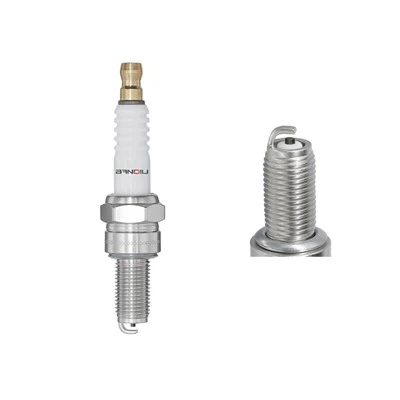
As a supplier, we also need to ensure that the products we offer comply with environmental regulations. For example, spark plugs are an essential component in automotive engines. We offer high - quality spark plugs such as the Platinum Spark Plug PFR7G - 11S 7772, Platinum Spark Plug BCP5EVX 5664, and Platinum Spark Plug BPR6EP - 8 4542. These spark plugs are designed to improve engine performance, which in turn can lead to better fuel efficiency and reduced emissions.
Regulations may also require that the materials used in the production of these products are environmentally friendly. For example, the packaging of our products should be made from recyclable or biodegradable materials. This helps to reduce waste and minimize the environmental impact of our business.
Conclusion and Call to Action
In conclusion, as a supplier of Automobile Repairment - 2033, we are acutely aware of the numerous environmental regulations that govern our industry. Complying with these regulations is not only a legal obligation but also a moral responsibility. By adhering to waste management, air quality, chemical handling, energy efficiency, and product - related regulations, we can contribute to a more sustainable future for the automotive industry.
If you are interested in learning more about our products and how they can help your repair shop comply with environmental regulations, or if you are looking to start a procurement discussion, we welcome you to reach out. Our team of experts is ready to assist you in finding the best solutions for your business needs.
References
- Environmental Protection Agency. (2023). Automotive Repair and Maintenance. Retrieved from EPA official website.
- South Coast Air Quality Management District. (2023). Regulations for Automotive Repair. Retrieved from SCAQMD official website.
- United Nations Environment Programme. (2023). The Montreal Protocol on Substances that Deplete the Ozone Layer. Retrieved from UNEP official website.