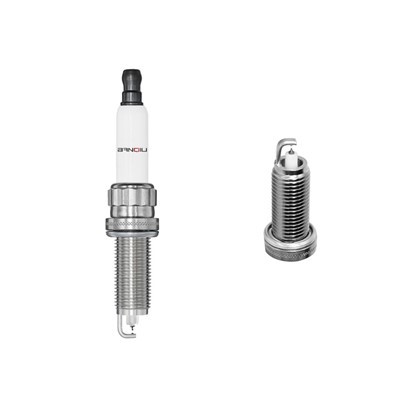
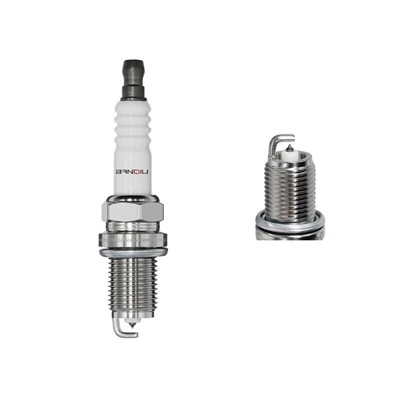
Electromagnetic interference (EMI) is a significant concern in modern automotive and industrial applications, especially in systems that rely heavily on electrical and electronic components. Spark plugs, as essential ignition components in internal combustion engines, can be a major source of EMI. In this blog, as a supplier of Spark Plug Carbon Track - T7, I will delve into how this innovative product reduces electromagnetic interference.
Understanding Electromagnetic Interference from Spark Plugs
Before we explore how the Spark Plug Carbon Track - T7 reduces EMI, it's crucial to understand how spark plugs generate electromagnetic interference. When a spark plug fires, an electrical arc is created across the spark plug gap. This rapid change in electrical current and voltage generates electromagnetic waves that can radiate into the surrounding environment. These electromagnetic waves can interfere with other electronic systems in the vehicle, such as the radio, navigation system, and engine control unit (ECU).
The intensity of the EMI generated by a spark plug depends on several factors, including the spark plug design, the ignition system's electrical characteristics, and the engine's operating conditions. Traditional spark plugs often have a relatively high level of EMI due to their simple design and the nature of the spark discharge.
The Design and Function of Spark Plug Carbon Track - T7
The Spark Plug Carbon Track - T7 is designed with several features that specifically target the reduction of electromagnetic interference. At the heart of its design is the carbon track, which plays a crucial role in mitigating EMI.
Carbon Track as a Resistive Element
The carbon track in the Spark Plug Carbon Track - T7 acts as a resistive element in the ignition circuit. When the electrical current flows through the spark plug, the carbon track restricts the rate of change of the current. According to Faraday's law of electromagnetic induction, the rate of change of current is directly related to the strength of the electromagnetic field generated. By reducing the rate of change of current, the carbon track effectively reduces the intensity of the electromagnetic waves radiated by the spark plug.
Mathematically, the relationship between the magnetic field (B) and the current (I) is given by Ampere's law. The magnetic field generated by a current - carrying conductor is proportional to the current and the rate of change of current. By adding resistance through the carbon track, the current waveform becomes smoother, and the high - frequency components that are most likely to cause EMI are attenuated.
Shielding Effect
In addition to its resistive function, the carbon track also provides a certain degree of shielding. The carbon material has a conductive property that can absorb and dissipate some of the electromagnetic energy generated by the spark discharge. This shielding effect helps to contain the electromagnetic waves within the spark plug, preventing them from radiating into the surrounding environment.


The carbon track is carefully engineered to have a specific geometry and conductivity to optimize its shielding performance. The shape of the carbon track is designed to maximize the contact area with the electromagnetic field, allowing for efficient absorption and dissipation of the energy.
Comparison with Traditional Spark Plugs
To better understand the effectiveness of the Spark Plug Carbon Track - T7 in reducing EMI, let's compare it with traditional spark plugs. Traditional spark plugs typically have a simple metal electrode design without a carbon track. When these spark plugs fire, the electrical current changes very rapidly, resulting in a strong and wide - spectrum electromagnetic radiation.
In contrast, the Spark Plug Carbon Track - T7 significantly reduces the high - frequency components of the electromagnetic radiation. This reduction in EMI is not only beneficial for the proper functioning of the vehicle's electronic systems but also helps to meet the strict electromagnetic compatibility (EMC) standards set by regulatory bodies.
Real - World Applications and Benefits
The reduction of electromagnetic interference by the Spark Plug Carbon Track - T7 has several practical benefits in real - world applications.
Improved Radio Reception
In vehicles, one of the most noticeable effects of EMI from spark plugs is poor radio reception. The electromagnetic waves generated by traditional spark plugs can interfere with the radio signals, causing static and distortion. By using the Spark Plug Carbon Track - T7, the EMI is reduced, resulting in clearer radio reception. This improvement in radio quality enhances the overall driving experience for the vehicle occupants.
Enhanced ECU Performance
The engine control unit (ECU) is a critical component in modern vehicles that controls various engine functions, such as fuel injection and ignition timing. EMI from spark plugs can interfere with the ECU's electrical signals, leading to inaccurate engine control and potentially reduced engine performance. The Spark Plug Carbon Track - T7 helps to minimize this interference, ensuring that the ECU can operate accurately and efficiently. This, in turn, leads to better engine performance, improved fuel efficiency, and reduced emissions.
Related Spark Plug Products
If you are interested in other high - quality spark plug products, we also offer a range of platinum spark plugs, such as the Platinum Spark Plug BP7EFVX 3344, the Platinum Spark Plug BKR6EQUP 3199, and the Platinum Spark Plug PFR5L - 11 5459. These platinum spark plugs are designed to provide reliable ignition and long - lasting performance, and they also incorporate advanced technologies to reduce electromagnetic interference.
Contact for Purchase and Negotiation
If you are interested in our Spark Plug Carbon Track - T7 or any of our other spark plug products, we welcome you to contact us for purchase and negotiation. Our team of experts is ready to provide you with detailed product information, technical support, and competitive pricing. We are committed to meeting your specific needs and ensuring your satisfaction with our products.
References
- Electromagnetic Compatibility Engineering, Henry W. Ott, 2009.
- Automotive Electrical and Electronic Systems, William H. Crouse, 2007.
- Fundamentals of Electric Circuits, Charles K. Alexander, 2013.