

How to Remove a Generator Spark Plug?
A generator is an essential device that provides power during outages or in remote areas. Just like a car engine, a generator's engine relies on spark plugs to ignite the air - fuel mixture, powering the machine. Over time, spark plugs can become fouled or worn out, so knowing how to remove a generator spark plug is a valuable skill for any generator owner. As a Generator Spark Plug supplier, we're here to guide you through this process step - by - step.
Why You Need to Remove the Generator Spark Plug
Before delving into the removal process, it's important to understand why you would want to remove a spark plug. Spark plugs are designed to last for a certain period, but factors such as improper usage, fuel quality, or engine wear can cause them to fail prematurely. Symptoms of a faulty spark plug include misfiring, reduced power output, rough idling, and difficulty starting the generator. Removing the spark plug allows you to inspect it for damage, carbon buildup, or other issues. If necessary, you can then clean or replace it to restore your generator's performance.
Tools You'll Need
Before you start the removal process, gather the necessary tools. You will typically need a spark plug socket, which is a specialized socket designed to fit over the spark plug. The socket is usually available in different sizes, so make sure you choose the one that matches your generator's spark plug. A ratchet or a breaker bar can be used in conjunction with the socket to loosen the spark plug. Additionally, it's a good idea to have a wire brush on hand to clean the area around the spark plug before removal and to clean the plug if it's reusable. Safety glasses are also recommended to protect your eyes from any debris.
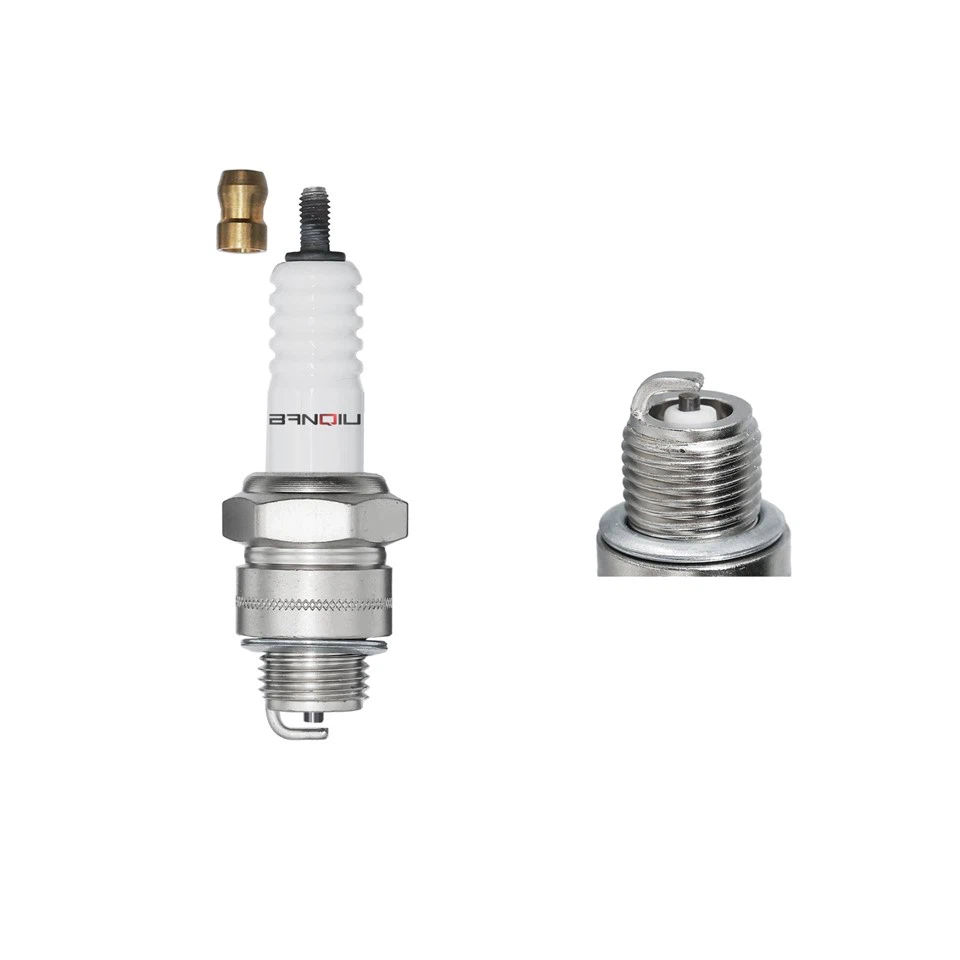
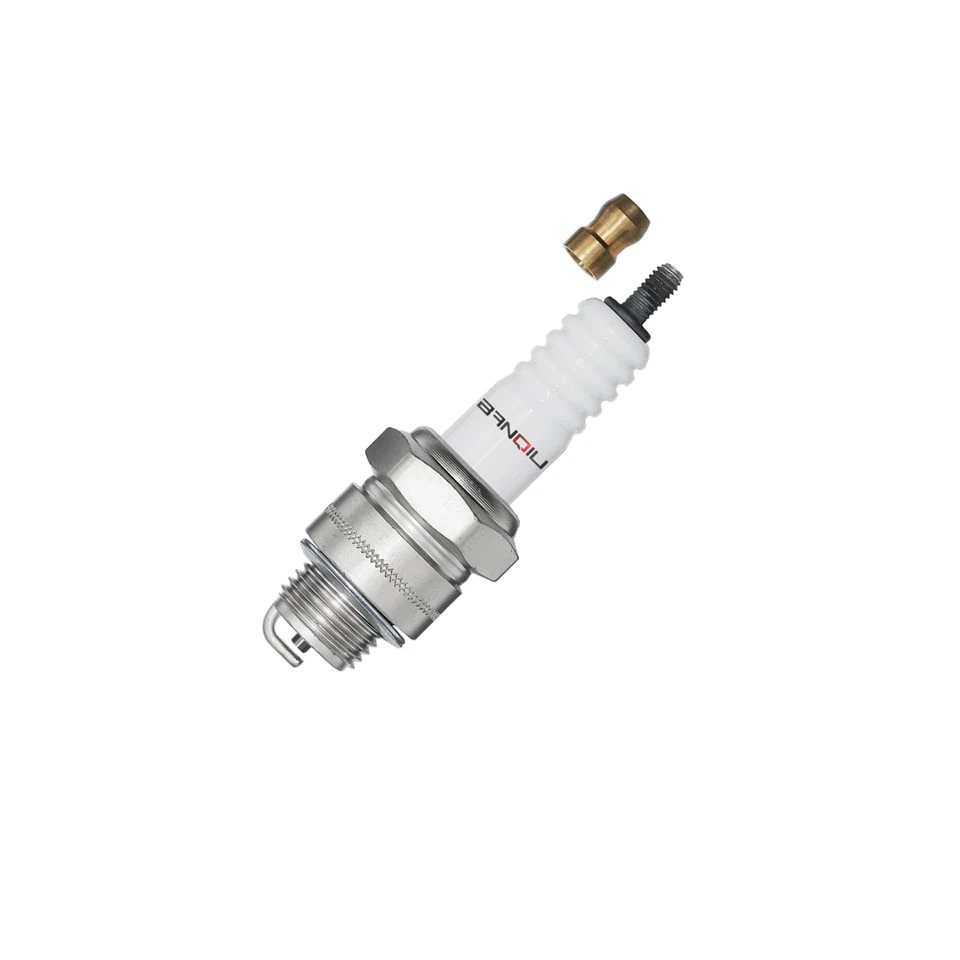
Steps to Remove a Generator Spark Plug
Step 1: Safety First
Safety should always be your top priority. Start by turning off the generator and allowing it to cool down completely. This can take up to 30 minutes or more, especially if the generator has been running for an extended period. Working on a hot engine can cause burns. Also, disconnect the generator from any electrical loads to prevent accidental shocks.
Step 2: Locate the Spark Plug
The spark plug is usually located on the side of the generator's engine. Refer to your generator's owner's manual if you're having trouble finding it. Some generators may have a cover over the spark plug, which you'll need to remove first. This cover can usually be taken off by loosening a few screws or clips.
Step 3: Remove the Spark Plug Wire
The spark plug wire is connected to the top of the spark plug. Grip the wire firmly at the base, close to the spark plug, and pull it straight out. Avoid tugging on the wire itself, as this can damage the wire or the connection. Once the wire is removed, you can see the top of the spark plug.
Step 4: Prepare the Socket
Take your spark plug socket and attach it to a ratchet or breaker bar. Make sure the socket fits snugly over the spark plug. You might need to adjust the socket size to get a proper fit. If you're using a breaker bar, it can provide more leverage, which is useful if the spark plug is tightly secured.
Step 5: Loosen the Spark Plug
Place the socket - ratchet or socket - breaker bar assembly over the spark plug. Turn the ratchet or breaker bar counter - clockwise to loosen the spark plug. The initial turn may require some force, especially if the spark plug has been in place for a long time or if there's a lot of carbon buildup. Once you feel the spark plug start to loosen, continue turning it until it's completely free.
Step 6: Remove the Spark Plug
After the spark plug is loose enough, you can use your fingers to carefully unscrew it the rest of the way and remove it from the engine. Be gentle as you handle the spark plug to avoid damaging the electrodes or the threads.
Inspecting the Removed Spark Plug
Once you've removed the spark plug, take a close look at it. A healthy spark plug will have a light brown or grayish color on the insulator and the electrodes. If the spark plug is black and sooty, it could indicate a rich fuel mixture, a problem with the air filter, or worn - out piston rings. A white or blistered spark plug can be a sign of a lean fuel mixture, overheating, or incorrect spark plug heat range. If the electrodes are worn down, the spark plug needs to be replaced.
Spark Plug Replacement
If you determine that your spark plug needs to be replaced, we offer a wide range of high - quality generator spark plugs. For example, we have the Nickel Spark Plug B6S, Quick 302, Q302 2319, which is suitable for many generator models. It provides reliable ignition and excellent performance. Another option is the Nickel Spark Plug BPR4E - 11 1143, known for its durability and efficiency. And our Nickel Spark Plug ZFR5E - 11 4435 is also a popular choice among generator owners for its long - lasting service.
When installing a new spark plug, make sure it has the correct thread size and heat range for your generator. Apply a small amount of anti - seize compound to the threads to prevent the plug from seizing in the future. Screw the new spark plug in by hand first until it's finger - tight. Then, use the spark plug socket and ratchet to tighten it further, but be careful not to overtighten.
Tips and Tricks
- Keep a record: Note down the date of spark plug replacement and any observations about the old spark plug. This can help you diagnose future problems more quickly.
- Clean the area: Before installing the new spark plug, use a wire brush to clean the area around the spark plug hole to prevent any debris from falling into the engine.
- Check the gap: Some spark plugs require a specific electrode gap. Use a gap tool to measure and adjust the gap if necessary.
Contact Us for Your Spark Plug Needs
If you're in the market for high - quality generator spark plugs, we're here to help. We have a wide variety of spark plugs to suit different generator models and requirements. Whether you're a professional mechanic, a generator maintenance contractor, or a home user, we can provide you with the right spark plugs for your needs. Contact us for more information on our products and start a fruitful purchasing negotiation.
References
- Generator Owner's Manuals
- Automotive Repair Manuals
- Spark Plug Manufacturer's Guides


